2026 Best Types of Process Valves for Global Buyers
Selecting the right process valves in 2026 requires more than comparing purchase prices. Global buyers must match valve design with pressure, temperature, media, flow rate, maintenance access, and plant safety requirements. A butterfly valve may suit chilled water. It may fail quickly in abrasive slurry. A ball valve can provide tight shutoff, but poor sizing may create damaging cavitation.
Recent industry research shows why this decision matters. Fortune Business Insights valued the global industrial valves market at approximately USD 78 billion in 2023 and expects continued growth through the decade. MarketsandMarkets also identifies oil and gas, chemical processing, water treatment, and power generation as major demand sectors. These figures describe a broad market, not a guarantee for every valve category. Regional data can differ. That limitation deserves attention.
Valve engineer John Ballun, author of The Insider’s Guide to Valves, describes the practical purpose clearly: “A valve is a mechanical device used to control, direct, or regulate flow.” His statement remains useful because selection begins with operating duty, not catalog appearance. API 6D, ISO 15848-1, IEC 61508, and relevant local standards provide important reference points for pipeline integrity, fugitive emissions, and functional safety. Yet compliance alone does not ensure dependable service. Installation quality, actuator calibration, seal compatibility, and maintenance records still influence performance.
This guide examines the best types of process valves for global buyers in 2026. It compares ball, gate, globe, butterfly, check, plug, diaphragm, and control valves. The goal is practical selection. Some recommendations remain conditional. No single valve wins every process.
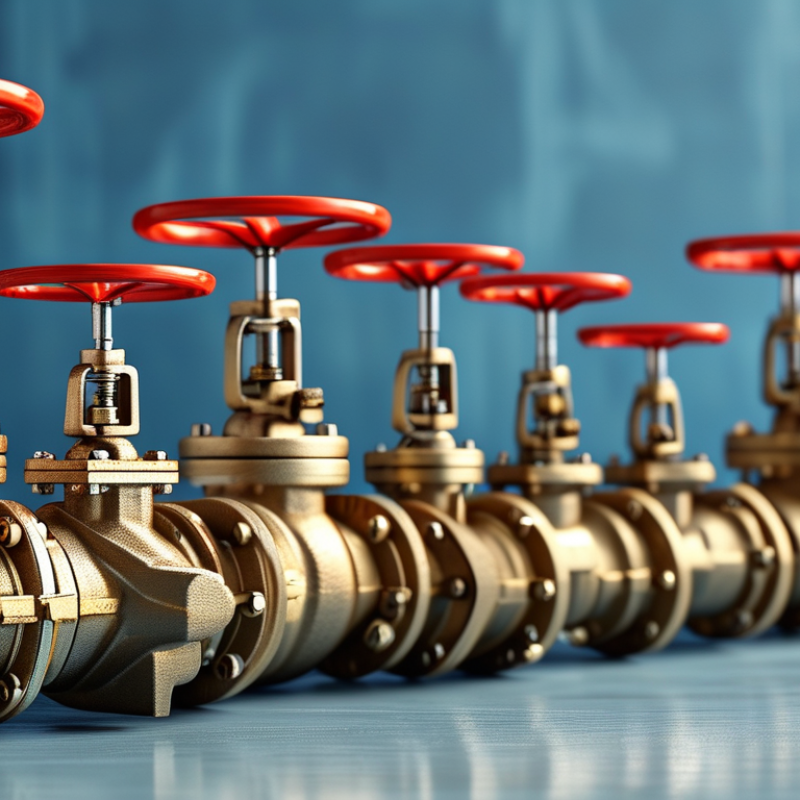
What Process Valves Are and Why They Matter in Industrial Systems
Process valves are mechanical devices that control, direct, or stop fluids inside industrial systems. These fluids may include water, steam, gases, chemicals, or slurries. A valve can regulate flow gradually or provide a firm shutoff. Its design must match pressure, temperature, fluid composition, and operating frequency.
They matter because small control failures can disturb an entire production line. A leaking valve may waste energy, contaminate materials, or expose workers to hazardous pressure. In practice, engineers examine body materials, sealing methods, connection types, and actuator performance. Manual valves suit simple isolation points. Automated valves support remote control and faster responses. Check valves prevent unwanted reverse flow. Relief valves protect equipment from excessive pressure.
Selection requires more than comparing purchase prices. The correct valve should fit the pipe size and maintain stable performance at expected conditions. A larger valve is not automatically safer. It may reduce control accuracy and increase cost. Sizing is where confident projects sometimes go wrong. Buyers should request pressure ratings, material certificates, test records, and maintenance guidance. Applicable local codes and recognized industrial standards also deserve careful review. Field experience shows that accessible installation often matters as much as technical specifications. A difficult valve to inspect may remain unnoticed until production stops. Safety margins should be documented, not assumed.
2026 Best Types of Process Valves for Global Buyers
What Process Valves Are and Why They Matter in Industrial Systems
Process valves control, isolate, direct, or prevent the flow of liquids and gases in industrial systems.
Ball, butterfly, and plug valves use quarter-turn movement, while gate and globe valves typically use multi-turn movement.
Check valves operate automatically in response to flow direction and do not normally require an actuator.
The operating motion affects automation speed, shutoff performance, throttling capability, maintenance requirements, and total system cost.
Classification based on common industrial valve designs and practices; exact construction, pressure rating, and performance depend on the applicable standard, size, material, and service conditions.
How to Classify Process Valves by Design, Motion, and Flow Control
2026 Best Types of Process Valves for Global Buyers
How to Classify Process Valves by Design, Motion, and Flow Control
Process valves become easier to compare when three questions guide the review: What is the body design? How does the closure move? What must the valve control? Field experience shows that a familiar valve can perform poorly when media, pressure, or temperature changes.
Design identifies the flow path and sealing method. Ball and plug valves use compact rotary closures. Gate valves lift a wedge and suit isolation, not regular throttling. Globe valves guide a plug toward a seat, allowing more precise flow adjustment. Butterfly valves use a rotating disc and save space in large pipelines. Diaphragm and pinch valves protect sensitive media from direct contact with moving metal parts.
Motion offers another useful classification. Linear-motion valves include gate, globe, diaphragm, and pinch designs. Rotary-motion valves include ball, plug, and butterfly designs. Actuators may be manual, pneumatic, electric, or hydraulic. The actuator must match torque, response time, failure position, and available power. A small sizing mistake can leave a valve stuck halfway.
Flow control adds the practical layer. Isolation valves stop flow completely. Throttling valves regulate pressure or volume. Check valves prevent reverse movement without routine operator action. Control valves respond to signals from instruments and process logic. Engineers should verify pressure class, temperature range, corrosion resistance, leakage limits, and applicable standards before purchase. A neat classification is helpful, but it is not enough. Actual service conditions often expose the weak assumption.
How to Compare Valve Materials, Pressure Ratings, and Actuation Methods
2026 Best Types of Process Valves for Global Buyers
How to Compare Valve Materials, Pressure Ratings, and Actuation Methods
Material selection should follow the fluid, temperature, and installation environment. Stainless steel handles many corrosive liquids, but it is not always the economical choice. Carbon steel suits dry, non-corrosive services and higher mechanical loads. For seawater, certain alloys or lined bodies may perform better. Check chemical compatibility charts, not only catalog descriptions. Small traces of chloride can create serious damage over time.
Pressure ratings require careful interpretation. A valve rated for a specific pressure at room temperature may perform differently at elevated temperatures. Compare the valve rating with the pipeline’s maximum operating pressure, design pressure, and pressure surges. Do not rely only on nominal size. I have seen specifications that matched the pipe size but failed to address cycling frequency. That is an easy detail to miss. It deserves review.
Tips: Match the actuator to operating frequency, available energy, and shutdown requirements. Pneumatic actuators respond quickly, while electric units can simplify remote control. Manual operation remains practical for smaller, rarely adjusted lines. Confirm torque margins, fail-safe behavior, enclosure protection, and control signals. Keep written records of assumptions. They may expose a weak decision before installation.
How Global Buyers Can Select Reliable Process Valves in 2026
Selecting reliable process valves in 2026 requires more than comparing prices. Global buyers should match the valve type to the fluid, pressure, temperature, and operating cycle. Ball valves suit tight shutoff and frequent isolation. Butterfly valves save space in larger pipelines. Globe valves offer better flow control, while diaphragm valves protect sensitive media from contamination. The correct choice depends on the process, not on popularity.
Ask suppliers for material certificates, pressure-test records, dimensional drawings, and traceable batch information. Confirm the body, seat, stem, and gasket materials against the actual media. A valve exposed to abrasive slurry needs different protection than one handling clean water. Check actuator response, fail-safe position, connection standards, and spare-part availability across your region. Small documentation gaps can become expensive delays.
On-site inspection still matters. I have seen polished documents fail to reveal poor casting surfaces or stiff manual operation. Request sample testing when the application is critical. Review leakage results and cycle-test data, but do not treat one successful test as permanent proof. No checklist is perfect. Seasonal temperature changes, installation errors, and unfamiliar maintenance practices can reduce service life. Buyers should also examine the supplier’s quality controls, technical support, and history of handling similar projects. A lower purchase cost may hide frequent replacement, difficult repairs, or lost production. Reliability is built through verified details, realistic operating assumptions, and honest questions before shipment.