2026 Top Water Treatment Valve Suppliers Worldwide?
Choosing the 2026 top water treatment valve suppliers worldwide requires more than comparing catalog prices. Treatment plants depend on precise flow control, corrosion resistance, and dependable service. A failed valve can interrupt filtration, dosing, or wastewater discharge within minutes.
This guide examines suppliers through practical criteria. These include product quality, material selection, pressure ratings, certifications, delivery capacity, and technical support. It considers manufacturers serving municipal plants, industrial facilities, desalination projects, and smaller commercial systems. Site experience matters here. Engineers often notice details that brochures overlook, such as actuator access, gasket replacement time, and coating performance after repeated chemical exposure.
Look beyond the sales pitch.
Supplier evaluation should include verified test documents, traceable materials, warranty terms, and customer references from comparable applications. Independent standards and regional compliance requirements also deserve careful review. However, market information changes quickly. A company with strong delivery performance in 2025 may face capacity limits in 2026. Some published rankings may also reflect visibility rather than consistent field results.
That deserves caution.
The following overview aims to support informed purchasing decisions, not provide a permanent winner. It compares established global brands with specialized regional manufacturers. Their strengths may differ across butterfly, gate, globe, check, diaphragm, and control valves. Buyers should still confirm specifications with qualified engineers before selecting a water treatment valve for critical service. A well-supported supplier can reduce maintenance risk, but no product eliminates every operational problem.
Water Treatment Valves: Types, Functions, and Industrial Applications
Water Treatment Valves: Types, Functions, and Industrial Applications
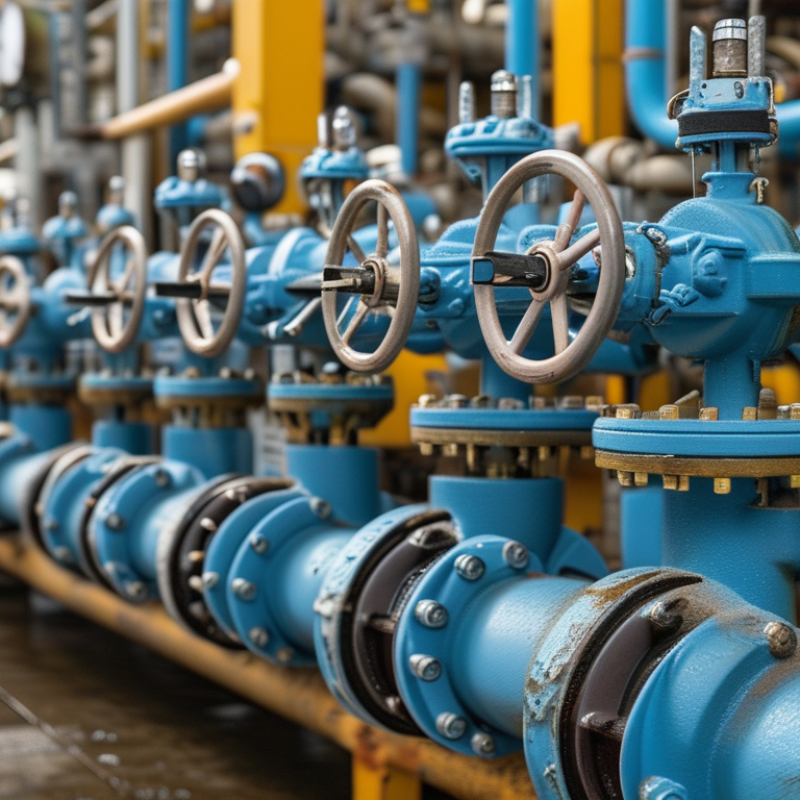
Water treatment valves control flow, pressure, isolation, and dosing across demanding systems. Their selection depends on water chemistry, temperature, pressure, and maintenance access. Butterfly valves suit large pipelines because they are compact and relatively light. Ball valves provide tight shutoff for chemical dosing and instrument lines. Gate valves work well for full-open isolation, but they are poor choices for frequent throttling. Check valves stop reverse flow in pump discharge lines. Small but critical.
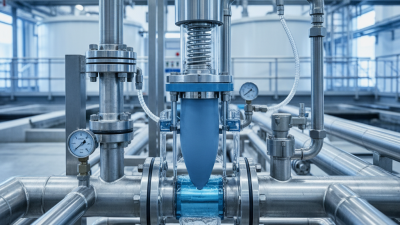
In municipal plants, resilient-seated valves manage intake, filtration, backwash, and treated-water delivery. Knife gate designs can handle sludge with suspended solids, while pinch valves protect abrasive slurry circuits. Diaphragm valves support accurate control where corrosive chemicals demand separated wetted parts.
Air-release valves remove trapped air from high points, reducing surges and uneven flow. Industrial users may combine these types in cooling towers, food processing, mining, and boiler feed systems. Every service needs a defined pressure class and compatible lining.
Reliable worldwide suppliers should provide traceable materials, pressure-test records, clear drawings, and replacement guidance. Engineers should verify flange standards, actuator torque, fail position, and control signals before purchase. On-site inspection matters too. A valve can meet its catalog rating yet fail after poor alignment or contaminated seats. That practical gap is often missed. I would also question overly broad corrosion claims; concentration and temperature can change performance quickly. Strong procurement compares lifecycle cost, spare availability, service response, and documented testing, not price alone.
Key Criteria for Ranking Global Valve Suppliers in 2026
2026 Top Water Treatment Valve Suppliers Worldwide?
Ranking global valve suppliers in 2026 requires more than shipment volume or website claims. Strong assessments begin with verified field experience in drinking water, wastewater, desalination, and industrial reuse. Reviewers should examine pressure classes, flow capacity, shutoff performance, and service life under corrosive conditions. A valve that performs well in testing may struggle with sand, chlorine, or frequent cycling. Real project records matter.
Technical authority depends on traceable evidence. Check independent test reports, material certificates, quality systems, and compliance with applicable water-contact and pressure requirements. Ask how each supplier controls casting defects, coating thickness, actuator calibration, and final inspection. Factory audits and sample testing can expose gaps that brochures rarely show. Documentation should identify batch numbers, inspection dates, and responsible personnel. It sounds basic. It is not.
A reliable ranking also measures support after delivery. Compare spare-part availability, response times, remote diagnostics, training, and local service capacity. Suppliers should explain lead-time risks and offer realistic maintenance intervals, not perfect promises. Total cost includes energy loss, corrosion repairs, downtime, and disposal. Independent operator references are valuable, especially when they describe failures as well as successes. No ranking is flawless; weighting may favor major projects and overlook smaller sites. That weakness deserves open review before procurement decisions are made.
Leading Water Treatment Valve Suppliers Worldwide in 2026
Leading Water Treatment Valve Suppliers Worldwide in 2026
Leading water treatment valve suppliers worldwide in 2026 are judged by more than production volume. Reliable suppliers provide tested valves, traceable materials, and clear technical documents. Their product ranges often include butterfly, gate, check, control, and knife gate valves. Each type must match the pipeline pressure, fluid quality, temperature, and maintenance plan.
In field inspections, engineers often examine coating thickness, actuator response, flange accuracy, and sealing performance. Small defects can create serious leakage after installation. Strong suppliers support factory testing, corrosion-resistant materials, spare parts, and practical commissioning advice.
They should also understand drinking water, wastewater, desalination, and industrial treatment conditions. Regional service matters too. A low purchase price may become expensive when replacement seals take weeks to arrive.
Tips: Ask for pressure-test records, material certificates, and reference projects with similar water conditions. Confirm whether the valve suits frequent cycling or emergency isolation. Check communication speed before signing a contract. It reveals more than brochures.
Suppliers should explain limitations honestly, not promise universal performance. No supplier is perfect. Even experienced teams can overlook actuator sizing or sediment buildup. A careful review of drawings, maintenance access, and operating data reduces that risk.
In 2026, dependable suppliers will combine engineering support, documented quality control, and realistic after-sales service rather than relying only on market claims.
Regional Markets and Supplier Strengths Across the Water Industry
2026 Top Water Treatment Valve Suppliers Worldwide?
Regional strength matters more than a simple global ranking. The 2024 UN World Water Development Report recorded 2.2 billion people without safely managed drinking water in 2022. This pressure is reshaping valve demand.
European suppliers often lead in corrosion control, wastewater reuse, and strict chemical compliance. North American suppliers show strength in municipal replacement projects and advanced control systems. The ranking is not clean.
Asian manufacturers benefit from large desalination, semiconductor, and industrial water projects. The International Energy Agency reports that industry accounts for about 20% of global freshwater withdrawals. That figure explains the region’s demand for durable isolation valves, automated actuators, and high-cycle performance.
In the Middle East, suppliers with desalination experience remain valuable. Local service teams matter there, especially around remote plants and harsh coastal conditions.
Tips:
Compare service response before purchase. Ask for pressure-test records, material certificates, and lifecycle data. Check performance under your actual water chemistry. A low purchase price can become expensive after repeated seal failures.
The 2023 WHO and UNICEF Joint Monitoring Programme report also shows uneven access between urban and rural communities. Therefore, suppliers serving smaller utilities need simple maintenance designs, spare-parts availability, and practical operator training. Some evaluations still overvalue technical specifications. Field evidence should carry more weight.
How to Select the Right Water Treatment Valve Supplier
When comparing the 2026 top water treatment valve suppliers worldwide, do not rank them by catalog size alone. Fit, evidence, and support matter more. Check whether the supplier understands your water chemistry, pressure range, temperature, and maintenance conditions. A valve used for treated drinking water may need different materials from one handling abrasive sludge. Ask for clear data on body materials, seals, pressure ratings, flow direction, and actuator performance.
Request traceable inspection records and relevant third-party certifications. Reliable suppliers should explain testing procedures, not simply display certificates. Confirm hydrostatic testing, coating checks, dimensional inspection, and batch traceability. For a DN150 butterfly valve, ask how the disc, liner, and shaft were tested together. Small gaps in documentation can create large maintenance problems later. Measure it.
Service capability deserves equal attention. Review spare-parts availability, response times, installation guidance, and training support. Ask for references from facilities with similar flow rates and operating cycles. A supplier may offer an attractive price but lack local technical support. That difference becomes visible during an emergency shutdown. No supplier gets every detail right. However, a dependable supplier admits limitations and proposes practical corrections. Compare total ownership cost, including energy use, replacement intervals, downtime, and disposal requirements. A careful site review before ordering often prevents the wrong valve from reaching the pipe.