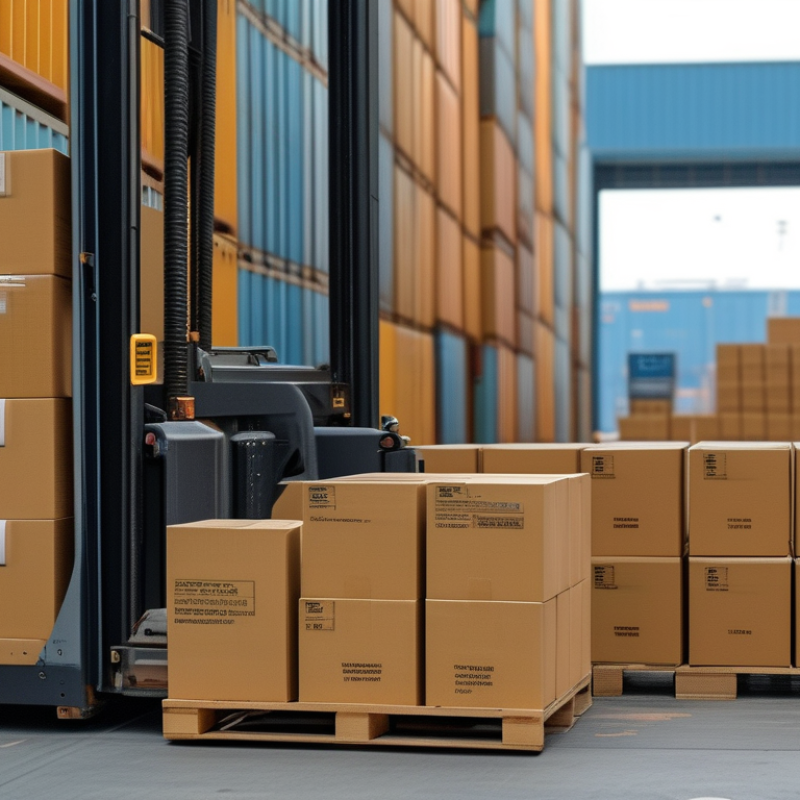
| Outbound Delivery | Warehouse, transportation, and order fulfillment | A logistics document or electronic record used to control the shipment of goods from a warehouse or distribution location to a customer, store, or another facility. | Picking, packing, shipment staging, carrier handover, delivery tracking, proof of delivery, and inventory movement. | Delivery number, order reference, ship-to address, items, quantities, weights, dimensions, warehouse location, planned dates, carrier details, and status. | Confirm that the system supports partial shipments, substitutions, batch or serial tracking, delivery status updates, and integration with warehouse and transport systems. |
| On-Board Delivery | Vehicle-based distribution and route delivery | A delivery process in which goods are loaded onto a vehicle and distributed directly to multiple customers or locations during a planned route. | Direct store delivery, mobile sales, route distribution, replenishment, field service delivery, and scheduled multi-stop routes. | Vehicle load, stop sequence, customer quantities, delivery windows, returned goods, cash or payment records, and delivery confirmation. | Evaluate route-planning, mobile scanning, offline operation, electronic proof of delivery, temperature monitoring, and return-handling capabilities. |
| On-Board Diagnostics | Fleet maintenance and vehicle telematics | A vehicle diagnostic system that reports information about engine and emissions-related systems through standardized diagnostic data. | Fault detection, preventive maintenance, vehicle health monitoring, emissions compliance, and reducing unplanned downtime. | Diagnostic trouble codes, engine parameters, emissions-related status, mileage, fault severity, and alert timestamps. | Check vehicle and regional compatibility, data access permissions, diagnostic-code coverage, installation requirements, and maintenance workflow integration. |
| Operational Status | Shipment and delivery visibility | In an outbound-delivery workflow, the OBD record may be assigned a status showing where the shipment is in the fulfillment process. | Order release, picking, packing, loading, dispatch, in-transit tracking, delivered, rejected, and returned shipments. | Status code, event time, operator or system update, location, exception reason, and next required action. | Ask whether statuses are configurable, time-stamped, auditable, visible to customers, and synchronized across warehouse, transport, and customer-service teams. |
| Proof of Delivery Link | Delivery confirmation and claims management | A connection between the outbound-delivery record and evidence that the shipment reached the intended recipient or location. | Electronic signatures, barcode scans, photographs, delivery timestamps, shortage reporting, damage claims, and invoice support. | Recipient name, signature, GPS position where permitted, delivery time, package condition, photos, and exception notes. | Verify data retention, customer access, privacy controls, dispute handling, and the ability to export legally usable delivery evidence. |