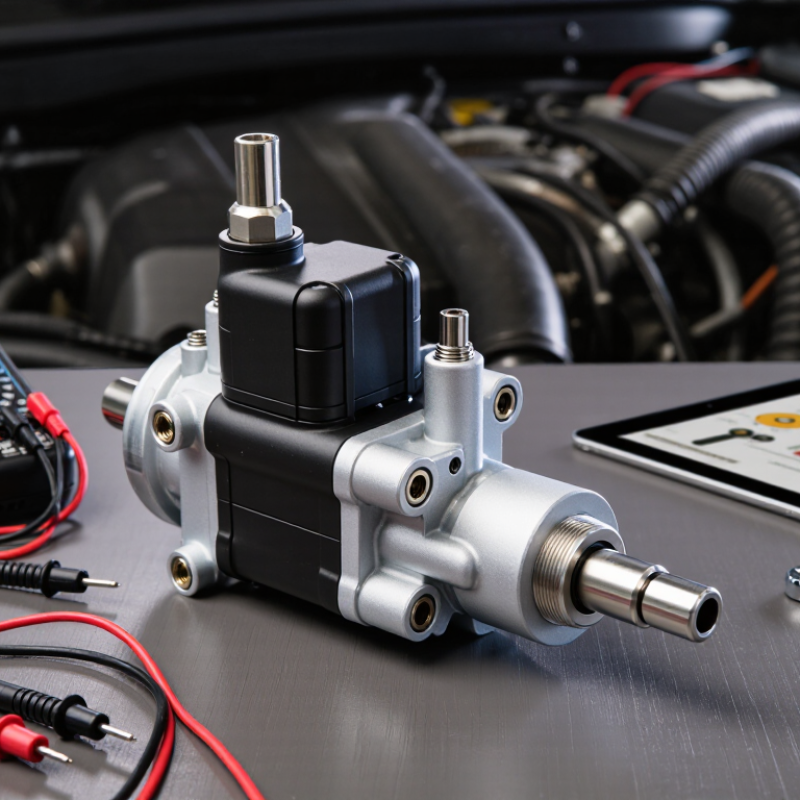
A throttle pedal sensor deserves more scrutiny than its small size suggests. It converts pedal movement into an electrical signal, so poor accuracy can affect drivability and safety. Examine the housing, connector pins, sealing, and mounting points for precise construction. A loose connector or weak plastic tab may fail after repeated vibration.
Compatibility requires more than matching a vehicle description. Compare the original sensor’s connector shape, pin layout, voltage range, pedal geometry, and mounting position. Check whether the replacement supports the required signal channels. Some systems use dual outputs for monitoring. The readings should rise smoothly during a slow pedal press, without sudden jumps or dead spots. A multimeter or scan tool can help, but professional calibration may still be necessary.
Warranty terms reveal how confidently a supplier stands behind its product. Look for clear coverage periods, testing requirements, return conditions, and support for installation questions. Keep the invoice and record the sensor’s serial details. I once trusted a “direct fit” listing and overlooked a slightly different connector angle. It installed, but the cable sat under strain. That mistake changed my checklist. I now compare photos, technical data, and the original part before ordering. Cheap pricing can be attractive, yet inconsistent signal output creates greater costs later. Choose documented quality, verified compatibility, and warranty language you can actually understand.