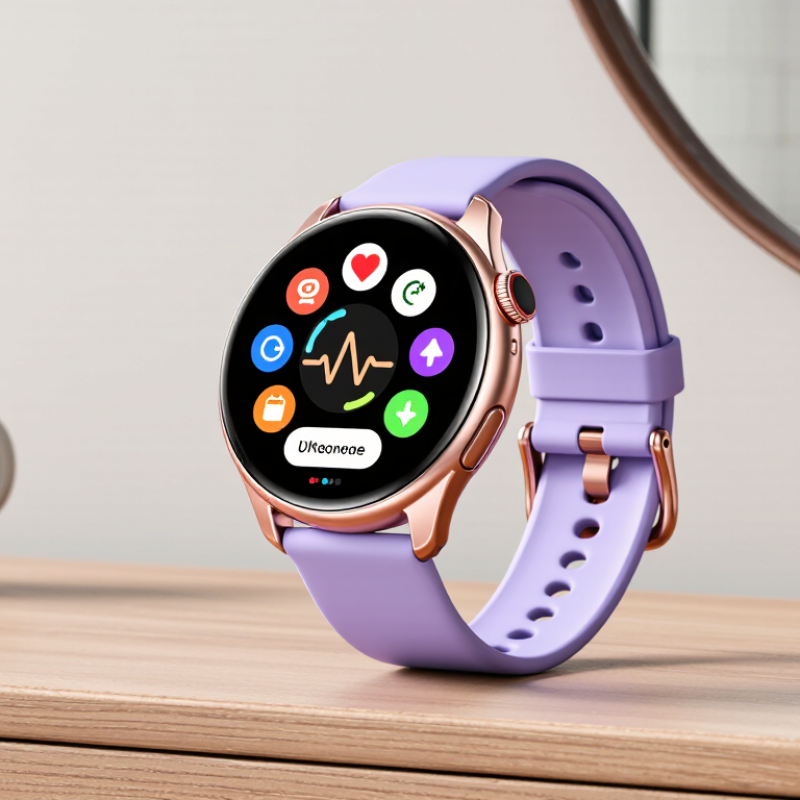
| 1 | Heart-rate tracking
Optical wrist sensor with resting and exercise heart-rate readings. | Monitoring workout intensity, resting trends, and changes from a personal baseline. | A displayed heart-rate value is not, by itself, a diagnosis of a heart condition. Accuracy can vary with fit, motion, skin contact, and activity. | Confirm whether readings are described as estimates, whether continuous tracking is available, and whether the product provides clear limitations. |
| 2 | Sleep and recovery metrics
Sleep duration, bedtime consistency, movement, and overnight heart-rate trends. | Identifying routines, comparing sleep duration over time, and supporting lifestyle changes. | Sleep-stage scores and “recovery” ratings are wellness estimates; they do not diagnose insomnia, sleep apnea, or another sleep disorder. | Look for transparent definitions of each score, data export options, and warnings that the feature is not a substitute for clinical evaluation. |
| 3 | Menstrual-cycle features
Period logging, cycle-length history, symptoms, and optional fertile-window estimates. | Organizing personal records and recognizing recurring patterns in cycle-related symptoms. | Calendar-based fertile-window predictions are estimates and should not automatically be treated as contraception, infertility diagnosis, or pregnancy detection. | Check whether predictions use only entered dates or also use validated sensor data, and review privacy controls for reproductive-health information. |
| 4 | Blood-oxygen and breathing-related readings
Spot readings or overnight oxygen-saturation estimates. | Observing personal trends during rest or exercise when the device is used as directed. | A consumer wearable reading should not be used alone to diagnose low oxygen, respiratory disease, or sleep apnea. Poor fit and motion can affect results. | Read the intended-use statement, measurement conditions, and whether the feature is explicitly labeled for wellness rather than diagnosis or treatment. |
| 5 | ECG or irregular-rhythm functions
Some devices can record a single-lead electrocardiogram when specifically designed and authorized for that use. | Capturing a personal recording for review when the device instructions support that use. | Do not assume that every watch with a pulse sensor can detect arrhythmias. ECG or rhythm claims require appropriate regulatory authorization and labeling. | If a product makes a medical claim, verify its intended use, FDA clearance or authorization details, compatible phone requirements, and clinician-review limitations. |
| 6 | Android compatibility and data control
Operating-system support, notifications, app permissions, synchronization, and data export. | Maintaining consistent activity, sleep, and cycle records without losing historical data. | A wellness app should not imply that connected data is automatically reviewed by a healthcare professional or suitable for emergency decisions. | Confirm the minimum Android version, required permissions, account requirements, export format, cloud-retention policy, and deletion controls. |
| 7 | Regulatory language and evidence
Clear distinction between general-wellness functions and medical-device claims. | Using activity, sleep, stress, and lifestyle insights for general health and fitness goals. | Under FDA policy, low-risk general-wellness functions are different from products intended to diagnose, cure, mitigate, prevent, or treat disease. Marketing language and intended use matter. | Read the official intended-use statement, look for supporting validation information, and treat unsupported claims such as “diagnoses,” “guarantees,” or “replaces a doctor” as warning signs. |