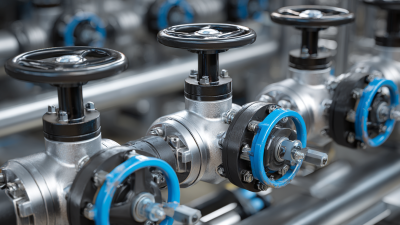
| Globe control valve |
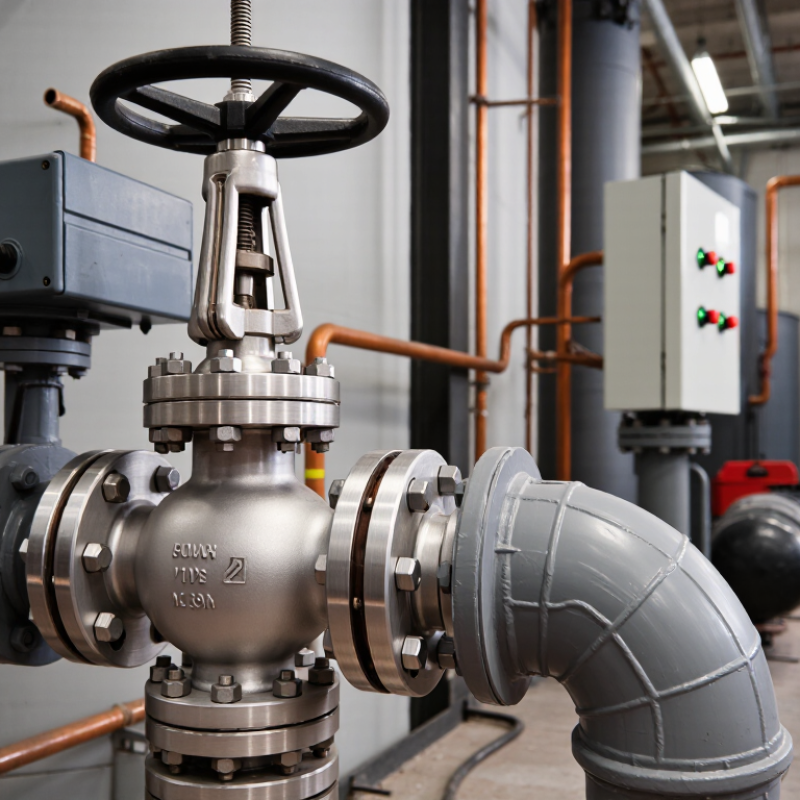
Modulates feedwater flow to help maintain boiler drum or vessel level. |
Usually operated by a pneumatic or electric actuator receiving a control signal. |
Designed for throttling; available with trim suited to a range of flow and pressure-drop conditions. |
Pressure drop can cause noise, vibration, cavitation, or flashing if the valve is not sized and selected for the service. Requires compatible controls and actuator sizing. |
Automated feedwater control in systems that require continuous or staged flow adjustment. |
| Angle-pattern control valve |
Controls feedwater flow while changing the direction of flow through the valve body. |
Typically modulating, with an actuator and control signal. |
Can suit piping layouts that need a 90-degree flow turn; some designs are selected for demanding pressure-drop conditions. |
Body pattern alone does not ensure suitability for high pressure drop. Confirm flow capacity, trim, materials, and operating conditions. |
Feedwater control where the piping arrangement or service conditions favor an angle-pattern body. |
| Feedwater stop or isolation valve |
Opens or shuts off flow for maintenance or system isolation; it is not normally used for routine flow control. |
Usually manually operated; designs may include gate or globe valves depending on the required service. |
Provides a means of isolating piping or equipment when selected and installed as part of the system design. |
A gate valve is generally intended for fully open or fully closed service, not throttling. Required valve arrangement depends on applicable codes and system design. |
Isolation on feedwater lines and around equipment where shutoff is required. |
| Feed check valve |
Allows feedwater toward the boiler and helps prevent reverse flow. |
Typically opens with forward flow or pressure and closes when flow reverses; some arrangements include a separate stop function. |
Provides non-return protection in the feedwater line. |
A check valve does not replace a control valve or required isolation valve. Check the required orientation, pressure rating, closing behavior, and applicable boiler rules. |
Boiler feed lines where reverse flow must be limited or prevented. |
| Pressure-reducing valve |
Reduces a higher upstream pressure to a lower downstream pressure. |
May operate by direct action or pilot control, depending on design. |
Can maintain a downstream pressure range when correctly sized and applied. |
It regulates pressure, not boiler water level. It should not be treated as a substitute for a feedwater control valve or feed check valve. |
Pressure reduction in a feedwater supply or auxiliary line when the system design requires it. |
| Float-operated feed valve |
Opens or closes in response to liquid level through a float mechanism. |
Mechanically actuated by changes in the level of water in the vessel or associated tank. |
Can provide straightforward level-responsive feed control in suitable low-complexity arrangements. |
Not appropriate for every boiler pressure, capacity, or control strategy. Confirm pressure limits, level-control requirements, and applicable regulations. |
Certain lower-pressure systems, feed tanks, or applications designed for mechanical level control. |