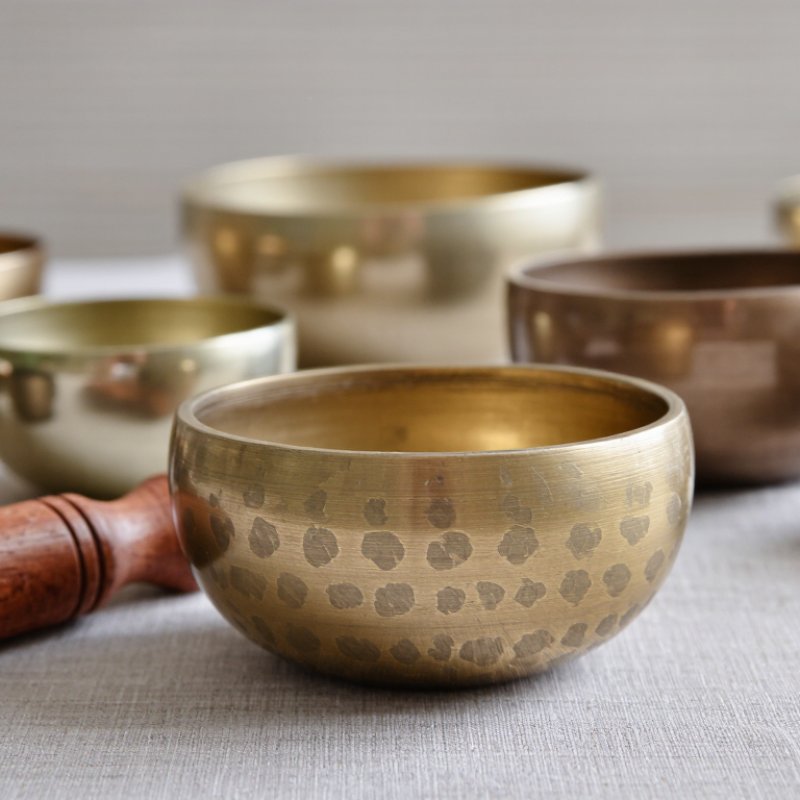
What is the best China singing bowl for a global buyer? The answer begins with evidence, not a low quote. Ask each supplier for a registered business name, factory address, production photos, and recent export references. A live video call can reveal useful details: stacked bowls, hammering tools, packing areas, and actual staff. Request a sample before placing a larger order. Listen in a quiet room, inspect the rim, and record its diameter, weight, sustain, and visible marks.
Compare prices line by line. A serious quotation should separate bowl size, metal composition, handwork, engraving, packaging, inland transport, and shipping. Extremely cheap offers may omit testing or protective foam. Ask what happens when a bowl arrives cracked, warped, or tonally different from the sample. Put the inspection standard and replacement terms in writing. Payment milestones can reduce risk, but they do not replace independent quality checks. Numbers alone are weak evidence.
Authenticity needs careful wording. “Handmade” may describe only final tuning, not every production stage. Request material details, batch photographs, weight tolerances, and a dated sample video with one clear strike. If a supplier refuses basic documentation, pause. If every answer sounds perfect, pause again. Even a careful checklist can miss hidden changes between samples and mass orders. I would use pre-shipment inspection for valuable orders, while accepting that sound remains partly subjective. That honest limitation improves buying decisions.