| Load and pallet profile | Record the loaded pallet’s dimensions, approximate weight, load height, shape, and whether the load is stable or prone to shifting. | Heavy, tall, or irregular loads may need a different strap, number of bands, or band placement than compact, stable loads. Treat the load as a whole—not weight alone—as the basis for selection. | Ask whether the proposed kit is suitable for the actual load configuration and intended banding pattern. |
| Strap material | Choose between polypropylene (PP), polyester (PET), or another specified strap material based on the packaging application. | PP is commonly used for lighter-duty packaging. PET is commonly considered for higher-tension or heavier-duty applications. The appropriate choice depends on the load, strap specification, and handling conditions. | Confirm material, roll or coil format, and whether the tool is designed for that exact strap type. |
| Strap width and thickness | Specify the strap’s width and thickness in millimetres, using the dimensions of the strap you intend to purchase. | Widths around 12–19 mm are common in many PP and PET strapping applications, but availability and suitable dimensions vary by material and tool. Do not select by width alone. | Check the tool’s approved width and thickness range against the strap supplier’s specification. |
| Required tension and joint strength | Define how firmly the load must be restrained and the required performance of the completed joint. | Actual performance depends on strap material and quality, tool settings, joint method, operator technique, and load characteristics. Avoid relying on a tension figure without confirming how it was measured. | Request documented tool and joint specifications for the proposed strap, and arrange a sample test on representative loads where appropriate. |
| Joint and sealing method | Specify whether the kit should use metal seals, buckles, friction-welded joints, or another compatible closure method. | Seals and buckles must match the strap width, material, and tool. Some systems use separate tensioning and sealing tools; others combine functions in one tool. | Confirm the required seal or buckle type, compatibility, consumable availability, and whether the joint method is appropriate for the load. |
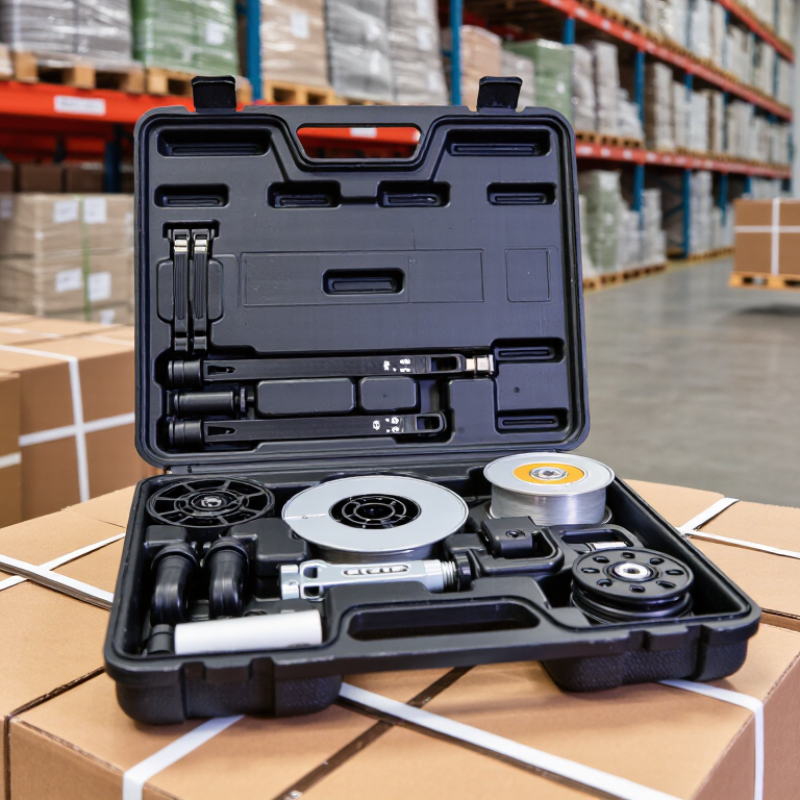
| Kit components | List the equipment needed, such as a tensioner, sealer, combination tool, dispenser, seals, and initial strap supply. | A manual kit may suit lower-volume or mobile work. Higher-volume operations may benefit from powered tools, subject to the work pattern and available charging or power facilities. | Request an itemized kit list, including any required accessories and consumables not included in the quoted kit. |
| Operating volume | Estimate the number of pallets or completed banding cycles per shift, along with peak-period demand. | Consider operator effort, cycle frequency, tool weight, and replenishment time. A tool suitable for occasional use may not be the best fit for repetitive production work. | Ask for operating guidance, recommended use conditions, and any duty-cycle limitations for powered equipment. |
| Work environment | Describe indoor or outdoor use, temperature range, moisture, dust, and any washdown or corrosion concerns. | Environmental conditions can affect strap handling, tool suitability, battery performance, and storage. Store strap and equipment according to their respective supplier instructions. | Confirm environmental limits, storage recommendations, and whether the equipment requires special protection or maintenance. |
| Operator access and ergonomics | Note available clearance around the pallet, banding direction, working height, and whether operators must work in restricted spaces. | Tool design and dispenser arrangement should allow safe access to the load and practical handling of the strap. Test the process on the actual pallet layout when possible. | Request tool dimensions, operating instructions, and a demonstration or trial if access is restricted or use is frequent. |
| Safety and training | Define operator training needs, personal protective equipment requirements, and the site’s safe-work procedures. | Tensioned strapping can create snap-back and sharp-edge hazards. Operators should follow the equipment instructions and applicable workplace safety procedures. | Confirm that operating and maintenance instructions are supplied and identify any required safety precautions for the selected system. |
| Consumables and replenishment | Estimate strap and seal consumption per pallet and the quantity needed for normal operations and peak demand. | Use a consistent, compatible strap and closure specification. A change in strap dimensions or material may require a different tool setting or compatible components. | Confirm consumable specifications, packaging quantities, storage requirements, and expected replenishment lead times. |
| Maintenance and support | Identify routine cleaning, inspection, wear-part replacement, and repair support requirements. | Maintenance needs vary by tool design and operating frequency. Keep the tool clean, inspect it as instructed, and replace worn parts using compatible components. | Ask for the maintenance schedule, spare-parts list, warranty terms, and available technical support. |
| Sample specification for quotation | Provide pallet dimensions, loaded weight, load type, strap material and dimensions, joint method, banding pattern, cycles per shift, and operating environment. | This is a specification checklist, not a universal kit recommendation. Final selection should be verified against the actual load and compatible tool and consumable specifications. | Request a written quotation that identifies each tool, strap, closure, accessory, and service item by specification rather than by a general kit description. |