| 1 | Dusk-to-Dawn LED Lantern | Driveways, walkways, and entry paths | 20–60 lumens; warm-white light is commonly around 2,700–3,000 K | Rechargeable NiMH battery, commonly 600–1,200 mAh; approximately 8–12 hours after a full charge | Look for an IP44 or higher enclosure for normal outdoor exposure | Clean the solar panel every few months; remove leaves and check the battery annually | Install where the light will not create glare for drivers or pedestrians; secure the post against tipping | Performance drops after cloudy days, during winter, or when the panel is shaded |
| 2 | High-Lumen Solar Post Cap | Deck, fence, and railing posts | 50–150 lumens; usually provides broad downward or diffused illumination | Rechargeable lithium-ion or lithium iron phosphate battery; commonly 1,000–2,000 mAh; approximately 6–10 hours | IP44–IP65 is common; IP65 offers better protection from water jets and dust | Keep the top panel unobstructed and tighten mounting screws at the start of each season | Verify the cap fits the post dimensions; avoid installing on loose, rotten, or structurally damaged posts | Small panels can provide short runtimes in shaded locations; bright output may be too harsh for seating areas |
| 3 | Decorative Copper- or Bronze-Finish Lantern | Gardens, patios, and traditional outdoor landscaping | 10–40 lumens; decorative patterns usually prioritize appearance over brightness | Rechargeable NiMH battery, commonly 400–800 mAh; approximately 6–10 hours | IP44 or higher is suitable for exposed outdoor placement when properly sealed | Wipe the panel and inspect the finish for corrosion; replace depleted batteries with the correct type | Use a stable base and keep combustible landscaping away from hot external components, if any | Decorative housings may cast shadows and provide insufficient light for stairs or security purposes |
| 4 | Motion-Sensor Solar Security Post Light | Side gates, garages, and low-traffic access points | 200–800 lumens during motion activation; lower standby output may be used | Rechargeable lithium-ion battery, commonly 1,500–4,000 mAh; several nights of standby operation depending on activation frequency | IP44–IP65; choose a sealed design for areas exposed to heavy rain | Clean the sensor and panel; test the detection zone and adjust the angle to reduce false triggers | Do not aim the sensor toward public roads, neighboring windows, or areas where unexpected activation could distract people | Frequent motion events can drain the battery quickly; sensor range and response may decrease in cold weather |
| 5 | Adjustable-Head Solar Post Light | Path lighting where directional control is important | 80–250 lumens; adjustable heads can focus light onto paths, steps, or planting beds | Rechargeable lithium-ion battery, commonly 1,200–2,500 mAh; approximately 6–12 hours | IP44 or higher; sealed joints are preferable for frequent rain exposure | Clean the panel, check adjustment joints, and retighten hardware if the head moves in wind | Angle the beam away from eye level and confirm that the post remains stable after adjustment | Moving parts can loosen over time; a poorly positioned head may receive less direct sunlight |
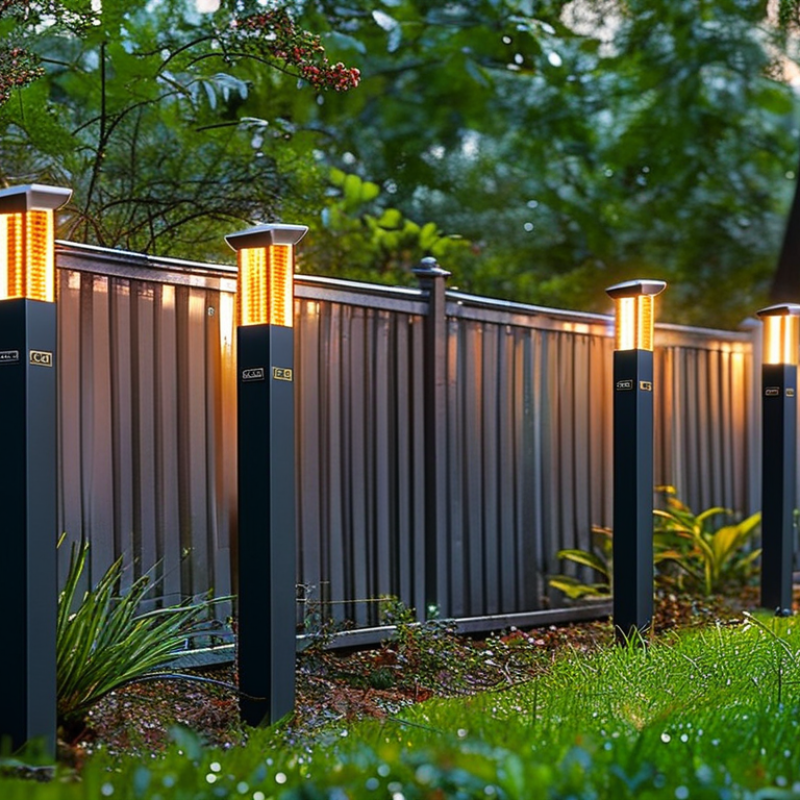
| 6 | Solar Bollard-Style Post Light | Garden borders, pathways, and low-level landscape lighting | 30–120 lumens; typically produces soft, downward-facing illumination | Rechargeable NiMH or lithium-ion battery; commonly 600–1,500 mAh; approximately 8–12 hours | IP44–IP65 depending on construction and sealing | Remove soil and vegetation from the panel; check ground anchors and clean the diffuser | Place outside walking lines or use a firmly anchored base to reduce trip and impact hazards | Low mounting height limits visibility from a distance; surrounding plants can quickly shade the panel |
| 7 | Four-Sided Glass-Panel Lantern | Entrances and decorative posts requiring light in multiple directions | 20–80 lumens; transparent panels provide more visible light from the sides | Rechargeable NiMH battery, commonly 600–1,200 mAh; approximately 6–10 hours | IP44 or higher; use extra care in coastal or highly exposed locations | Clean glass or plastic panels, inspect seals, and remove salt or mineral deposits promptly | Check for cracked panels and sharp edges; mount the lantern securely to prevent wind movement | Transparent panels can show dirt more readily and may create glare when viewed directly |
| 8 | Color-Temperature Selectable Post Light | Patios and properties needing adjustable ambience | 30–150 lumens; common settings include warm white around 2,700 K and cool white around 5,000–6,500 K | Rechargeable lithium-ion or NiMH battery; commonly 800–2,000 mAh; approximately 6–12 hours depending on setting | IP44–IP65; confirm that switches and controls are protected from water | Keep the panel clean, protect control switches, and periodically verify the selected mode | Use warmer light near homes and seating areas to reduce glare; keep wiring-free fixtures away from water features | Higher brightness or cooler settings generally consume more stored energy and shorten runtime |
| 9 | Large Solar Post Lantern with Replaceable Battery | Long-term use where servicing is convenient | 60–200 lumens; often suitable for general orientation lighting | Replaceable NiMH or lithium-ion battery; commonly 1,000–2,500 mAh; approximately 8–12 hours | IP44 or higher; inspect the battery compartment seal after replacement | Clean the panel and replace the battery when capacity noticeably declines, often after several seasonal cycles | Use only the voltage, chemistry, and size specified by the fixture; never install damaged or incompatible cells | Larger housings and batteries can increase weight; replacement parts may not be universally available |
| 10 | Solar Post Light with Separate Panel | Posts located in shade or beneath partial tree cover | 50–300 lumens; the remote panel can be positioned for better solar exposure | Rechargeable lithium-ion battery, commonly 1,500–4,000 mAh; approximately 6–12 hours | IP65 is preferable for the separate panel and outdoor cable connections | Clean both the lamp and remote panel; inspect cable routing, clips, and waterproof connections | Secure the cable against abrasion and keep connectors above standing water; avoid drilling into hidden utilities | Installation is more complex, and exposed cables may be damaged by animals, gardening tools, or severe weather |