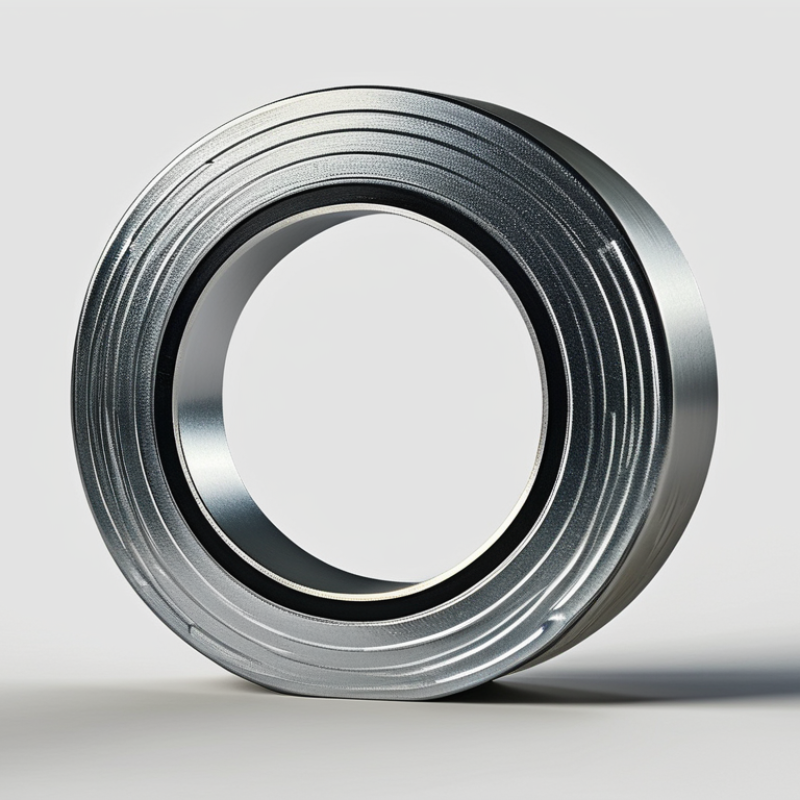
| Basic Definition | A channel magnet is a permanent magnet mounted inside, or attached to, a U-shaped ferromagnetic channel, commonly made from low-carbon steel. | The channel protects the magnet and helps direct magnetic flux toward the working surface. |
| How It Works | The magnet produces a static magnetic field. The steel channel provides a low-reluctance path that concentrates more of the field on the open side. | The focused field can improve attraction to nearby ferromagnetic materials compared with an uncovered magnet of similar size. |
| Magnetic Materials | Common permanent-magnet materials include ceramic ferrite and rare-earth materials such as neodymium. The channel is usually ferromagnetic steel. | Material choice affects magnetic strength, cost, corrosion resistance, operating temperature, and mechanical durability. |
| Attracted Materials | Channel magnets attract ferromagnetic metals, including iron and many carbon-steel grades. Aluminum, copper, brass, plastic, wood, glass, and most stainless steels are not attracted under normal conditions. | The magnet is suitable for steel attachment and ferrous-part handling, but it cannot directly hold nonmagnetic materials. |
| Holding Force | Holding force depends on magnet grade, pole arrangement, contact area, air gap, steel thickness, surface condition, and direction of loading. Published force values are normally measured on clean, flat, thick steel under controlled conditions. | A rating from a catalog should not be treated as a guaranteed field performance value. Paint, rust, dust, curvature, and gaps can substantially reduce holding force. |
| Air Gap Sensitivity | Magnetic force decreases rapidly as the distance between the magnet and the steel target increases. Even a thin layer of paint, tape, plastic, or debris can create a meaningful air gap. | For maximum holding force, the contact surface should be clean, flat, and as close to the magnet face as practical. |
| Load Direction | Pull-off force, measured perpendicular to the contact surface, is generally different from sliding or shear resistance. Sliding performance also depends on friction and surface finish. | A magnet that resists direct separation well may still slide when exposed to vibration, impact, or side loading. |
| Main Benefits | Compact design, reusable attachment, no drilling required, quick installation, concentrated magnetic flux, and protection of the magnet by the surrounding channel. | Channel magnets can provide a practical removable fastening method for signs, fixtures, sensors, covers, tools, and light-duty industrial components. |
| Mechanical Protection | The steel channel can shield the magnet from some side impacts and reduce the likelihood of edge chipping or direct abrasion. | The channel improves physical durability, but it does not make the assembly immune to impact, bending, crushing, or separation from its adhesive or fasteners. |
| Installation Options | Channel magnets may be attached using screws, countersunk holes, threaded hardware, adhesive backing, brackets, or a mechanically integrated channel design. | Mechanical attachment is generally preferable for sustained loads, vibration, elevated temperatures, or safety-critical applications. |
| Temperature Limits | The allowable temperature depends on the magnet material and grade. Standard permanent magnets can lose performance when exposed to temperatures above their specified operating range; excessive heat can cause irreversible demagnetization. | The exact magnet specification must be checked before use near ovens, engines, heaters, welding operations, or other heat sources. |
| Corrosion Resistance | Uncoated steel channels can rust in humid or corrosive environments. Some magnet materials also require plating, coating, encapsulation, or sealing for moisture protection. | Outdoor, wet, or chemically exposed installations may require corrosion-resistant hardware and a sealed construction. |
| Electrical Behavior | A permanent channel magnet does not require electrical power to produce its magnetic field and does not generate heat during normal static operation. | It can provide energy-free holding, although nearby electronic components may be affected by magnetic fields. |
| Common Applications | Typical uses include removable signs, cabinet and door closures, magnetic fixtures, cable management, position holding, light-duty sensors, display mounting, and separation of ferrous particles. | The design is versatile where repeated attachment and removal are useful and the target surface is ferromagnetic. |
| Key Limitations | Performance is reduced by air gaps, thin or curved steel, contamination, vibration, shock, unfavorable load direction, high temperature, corrosion, and incorrect sizing. | A channel magnet should not be selected solely by its nominal dimensions or advertised pull-force value. |
| Safety Considerations | Strong magnets can pinch skin, attract tools unexpectedly, interfere with magnetic sensors, affect magnetic storage or other sensitive devices, and create hazards near certain medical implants. | Magnets should be handled carefully, kept away from sensitive equipment and restricted medical environments, and secured against unexpected movement. |
| Selection Criteria | Important factors include target material, required holding force, load direction, air gap, dimensions, temperature, humidity, vibration, mounting method, and desired ease of removal. | Testing the complete assembly under real operating conditions is the most reliable way to confirm suitability. |