China Best Electric Cargo Tricycle Manufacturers?
Choosing the China Best Electric Cargo Tricycle Manufacturers requires more than comparing factory prices. Reliability matters on every delivery route.
The World Economic Forum’s 2020 report, The Future of the Last-Mile Ecosystem, projects a 78% increase in urban delivery demand by 2030. It also warns that delivery vehicles could rise by 36%. These figures explain the growing interest in Electric Cargo Tricycle solutions for warehouses, campuses, food delivery, and dense city streets. A cargo tricycle can slip through narrow lanes, carry sealed boxes, and reduce fuel use. However, performance depends on battery capacity, payload design, braking quality, and after-sales support.
Christoph Wolff, a mobility expert and contributor to the World Economic Forum report, described last-mile delivery as “the most expensive and least efficient part of the supply chain.” His observation remains relevant. Chinese manufacturers now offer varied frames, lithium battery systems, hydraulic brakes, and customized cargo boxes. Yet specifications can look better on paper than in daily operation.
The University of Westminster’s 2019 research found cargo bikes could outperform vans on selected London delivery routes. Conditions matter. Hills, winter temperatures, charging access, and local road rules can change the result. Therefore, this guide examines Chinese manufacturers through practical evidence: factory experience, motor suppliers, battery safety, production quality, certifications, warranty terms, and real fleet feedback. Some data is manufacturer-reported, so independent verification remains necessary. That is an important weakness. A low quotation may hide expensive maintenance later. The best supplier is not always the largest one. It is the one that matches payload, terrain, service expectations, and operating discipline.
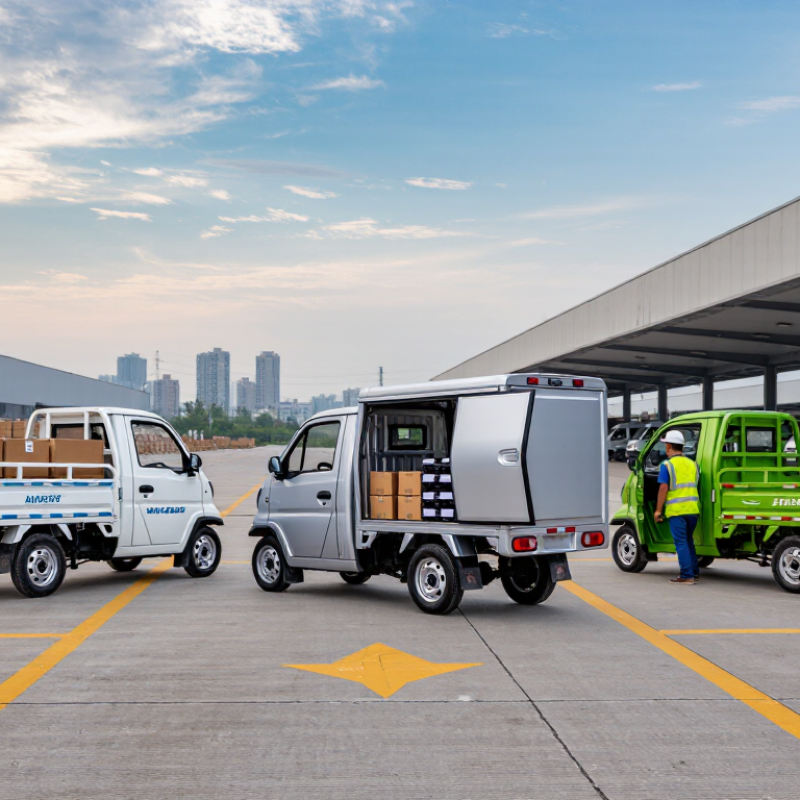
What Defines a Leading Electric Cargo Tricycle Manufacturer in China?
What Defines a Leading Electric Cargo Tricycle Manufacturer in China?
A leading manufacturer proves performance beyond a polished catalogue. The IEA’s Global EV Outlook 2024 identifies electric two- and three-wheelers as the most electrified road transport segment, particularly in China. This creates strong competition, but also greater responsibility. A capable factory should publish payload tests, climbing results, braking data, and range measurements under realistic loads. A 500-kilogram rating means little without evidence from hills, rough roads, and repeated delivery cycles.
Engineering depth matters. Look for battery traceability, thermal protection, waterproof connectors, and documented quality checks. The UN Economic Commission for Europe highlights battery safety and durability as key issues in electric mobility. For cargo vehicles, frame strength is equally important. Weld inspection, axle design, suspension clearance, and tire load ratings can determine whether a vehicle survives daily use. Not every attractive prototype deserves production approval. That is an uncomfortable truth.
Tips: Request a sample unit and test it with the intended payload. Measure range, charging time, braking distance, and motor temperature. Ask for inspection records, warranty terms, spare-parts availability, and relevant certification documents. A serious manufacturer should answer clearly, not hide behind marketing language. Some sourcing decisions still rely too heavily on price. That is a mistake. The cheapest tricycle may become the most expensive after battery failures, idle delivery time, and difficult repairs.
How Are Electric Cargo Tricycles Designed and Manufactured?
Designing an electric cargo tricycle begins with its working environment. Engineers study payload, road surfaces, turning space, and daily travel distance. A delivery model needs a low center of gravity and predictable steering. Safety comes first.
Manufacturers usually build the frame from reinforced steel or lightweight aluminum. Computer-aided drawings define tube thickness, weld positions, and mounting points. Engineers then place the battery near the vehicle’s center. This reduces body movement during sharp turns. Hydraulic or mechanical disc brakes may be selected according to load and terrain. Wiring requires sealed connectors, protective sleeves, and careful routing away from moving parts. Details decide durability.
Production normally follows cutting, bending, welding, surface treatment, assembly, and inspection. Skilled workers check frame alignment with measuring fixtures. Each motor, controller, display, and charger should be tested before shipment. Cargo boxes also need practical features, such as drainage holes, strong hinges, and rounded edges. A prototype may still surprise us. Excessive welding can add weight, while thin materials may reduce service life. That trade-off deserves honest testing, not attractive photographs. Reliable manufacturers record battery performance, brake response, maximum load, and repeated road-test results. Quality control is not only a final inspection; it should continue through every production stage.
Which Types of Electric Cargo Tricycles Are Available?
China’s electric cargo tricycle manufacturers offer several practical designs for different working conditions. The right type depends on load, road surface, weather, and delivery distance.
Flatbed electric cargo tricycles suit farms, warehouses, and construction sites. Their open platform can carry sacks, tools, crates, or long materials. Side rails help control loose goods, but tarpaulins may be needed during rain.
Box cargo tricycles protect parcels from dust and light weather. They work well for urban deliveries and small retail distribution. Internal shelves can improve organization, although they reduce usable space.
Dump-bed electric tricycles are useful for soil, gravel, feed, and waste materials. A hydraulic or mechanical lifting system saves manual unloading effort. Operators should check the bed’s balance before raising it. Not every route is flat. Heavy loads may affect braking and steering on slopes.
Some models use insulated boxes for food, medicine, or temperature-sensitive products. Their performance depends on insulation quality and battery endurance. Passenger-cargo versions combine a rear bench with a smaller loading area. They may serve markets, campuses, and rural transport tasks. However, comfort and cargo capacity can conflict.
Compact utility tricycles are easier to maneuver in narrow lanes, while larger models usually offer stronger frames and longer range. Buyers should inspect welds, suspension, controller protection, charger safety, and replacement-part access. Factory testing records are valuable, but real road trials often reveal overlooked weaknesses.
What Should Importers Know About Compliance and Support?
Choosing a Chinese electric cargo tricycle requires more than comparing factory prices. Importers must verify compliance before placing a deposit. Ask for the vehicle category, rated speed, payload, dimensions, and battery chemistry in writing. Requirements differ by destination. A model accepted as a low-speed utility vehicle may need different approval elsewhere. Check braking performance, lighting, mirrors, tires, seat belts, and electromagnetic compatibility. Request test reports from recognized laboratories, not only factory declarations. Confirm the VIN format and production records. Small paperwork gaps can delay customs or registration. They can also weaken insurance coverage.
Battery documentation deserves close attention. Request UN38.3 test evidence, safety data sheets, charger specifications, and transport packaging details. Verify whether the battery and charger meet local electrical rules. Ask who pays for retesting if authorities reject a file. That question is uncomfortable, but useful. Inspect sample units before mass production. Photograph serial plates, connectors, welds, and braking components. An independent pre-shipment inspection can reveal loose terminals or uneven alignment. It costs money. Replacing an entire shipment costs more.
Support should be measured in response times, not friendly promises. Secure a parts list with codes, prices, and lead times. Ask for repair manuals, wiring diagrams, diagnostic procedures, and training videos. Clarify warranty exclusions, claim evidence, and labor reimbursement. Keep common parts locally, including brake pads, controllers, tires, and chargers. A shared fault-report template reduces confusion. Still, no checklist is perfect. I would schedule a pilot shipment and track failures for ninety days. That record exposes weak assumptions before fleet expansion.