How to Choose the Best Chicken Water Drinker in 2026?
Choosing the best Chicken Water Drinker in 2026 is not simply a matter of buying the largest container. It is a daily decision about hygiene, water access, bird comfort, and farm efficiency. A suitable drinker should match the flock size, housing design, climate, and keeper’s cleaning routine. A small backyard flock may manage well with a dependable nipple system, while a larger group may require several drinker points to prevent crowding.
“Water is the most important nutrient.” This principle is widely associated with poultry nutrition expert Dr. Peter Ferket, and it remains highly practical. Chickens can tolerate a missed treat. They cannot tolerate unreliable hydration for long. Clean water should reach every bird without forcing weaker hens away from the source. A practical check is simple: inspect the drinker before feeding, then look for leaks, cloudy water, algae, or wet litter beneath the unit.
Material matters. Food-grade plastic is light and affordable, while stainless steel resists odors and repeated scrubbing. Nipple drinkers can reduce contamination, but they still need correct height and pressure. Cup drinkers feel familiar to many birds, yet they collect bedding quickly. In freezing weather, even a well-designed system may fail without protection.
Small details decide success.
This guide will compare capacity, cleaning effort, leakage control, durability, installation, and seasonal performance. It will also question a common assumption: the most expensive Chicken Water Drinker is not always the most reliable choice. Real use can expose weaknesses that product descriptions hide. Expect practical comparisons, careful limitations, and a few recommendations that may need reconsideration on your own farm.
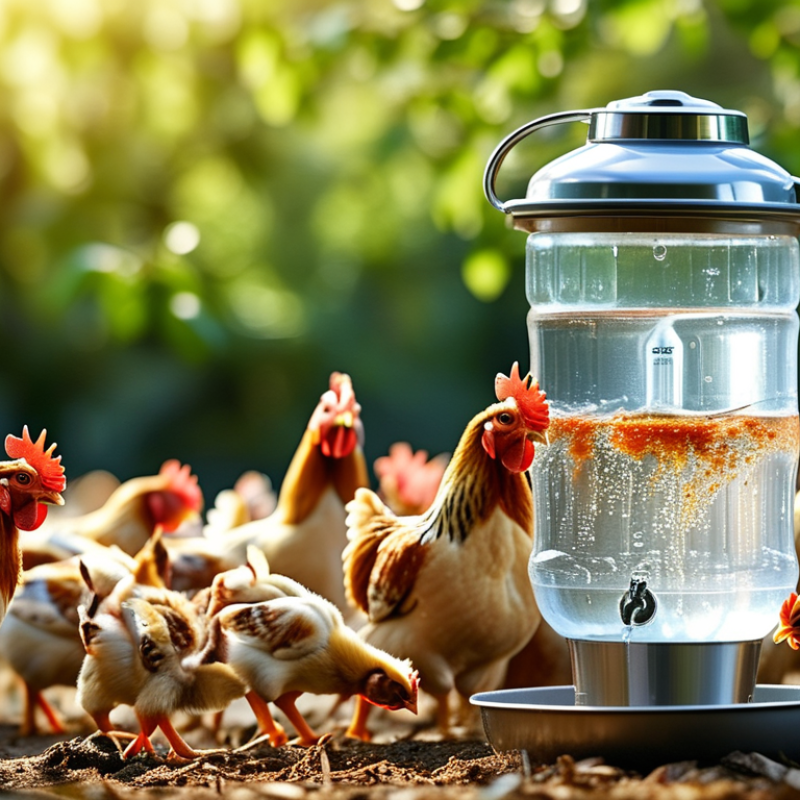
Understanding Chicken Water Drinker Types and Their Uses
How to Choose the Best Chicken Water Drinker in 2026?
Understanding Chicken Water Drinker Types and Their Uses
Chicken water drinkers serve different flock needs, climates, and housing systems. Open troughs are simple and affordable for small flocks. However, chickens often scratch bedding into them. This creates dirty water within hours. They require frequent washing and close observation.
Nipple drinkers release water when chickens peck the valve. They reduce contamination and suit raised systems or enclosed coops. Young birds may need training before using them confidently. Cup drinkers offer a gentler option, especially for smaller chickens. Their shallow design makes drinking easy, but mud can collect around the cups.
Automatic drinkers with float valves help maintain a steady supply for larger flocks. They need reliable water pressure and regular valve checks. In cold regions, insulated or temperature-controlled systems can reduce freezing risks. Safety still matters. Electrical parts should stay dry and protected.
I once preferred open troughs because they were easier to install. That choice was not ideal during wet weather. The litter became soaked, and cleaning took longer than expected. Now, I match the drinker to flock size, bird age, coop design, and daily maintenance time. Check water flow at bird level. Watch for leaking joints, blocked valves, and chickens with wet facial feathers. A suitable drinker should provide clean water without creating extra work or hidden hygiene problems.
Assessing Flock Size, Capacity, and Watering Needs
Choosing the best chicken water drinker starts with flock size, not appearance. A 2023 commercial-layer management guide reports that hens commonly drink 1.5 to 2 times their feed intake by weight. For a hen eating 110 grams daily, that equals roughly 165 to 220 milliliters of water. Hot conditions can raise demand sharply. Plan for about 300 to 400 milliliters per bird during heat, while checking local conditions carefully.
For ten hens, a practical daily reserve is three to four liters. I prefer dividing that volume between two drinkers. It reduces competition and provides backup if one becomes dirty. Extension poultry guidance also stresses constant access to clean water, especially during peak laying periods. A drinker should stand near head height, with its rim below the birds’ eye level. Too low means litter enters quickly.
Measure, do not guess. Mark the reservoir each morning and record refill amounts for seven days. My first estimate was too generous in mild weather, but inadequate during a hot week. That mistake mattered. Choose capacity for at least one full day, preferably 48 hours, without creating a deep, stagnant container. Larger flocks need several access points, not merely one oversized tank. Watch for wet bedding, crowding, or sudden consumption changes. These details may reveal poor placement, leaks, or illness before the drinker itself becomes the problem.
How to Choose the Best Chicken Water Drinker in 2026? – Assessing Flock Size, Capacity, and Watering Needs
Evaluating Weather Resistance, Hygiene, and Safety Features
Choosing a chicken water drinker in 2026 requires more than checking its capacity. Weather resistance matters because rain, sunlight, frost, and strong wind can quickly damage weak materials. Look for a sturdy container with UV-resistant plastic or corrosion-resistant metal. A broad, weighted base helps prevent tipping when chickens gather around it. In cold areas, inspect the drinker daily because frozen water can split fittings and create sharp edges.
Hygiene is equally important. I prefer designs with smooth interiors and removable parts, since narrow corners often collect algae, feed dust, and droppings. Fresh water should be available every day, especially during hot weather. Scrub the container with a dedicated brush, rinse it thoroughly, and let it dry when possible. Do not rely on appearance alone. Clear water can still carry contamination.
Safety details deserve careful attention. The drinking height should suit the birds without forcing them to stretch or crouch. Nipples and cups must release water reliably, but leaks can make muddy ground around the coop. Check for loose fittings, cracks, exposed springs, and sharp plastic edges. I once underestimated how quickly a small leak could attract insects. That mistake changed my cleaning routine. Automatic features can save time, but they still need regular inspection. Convenience is not a substitute for observation.