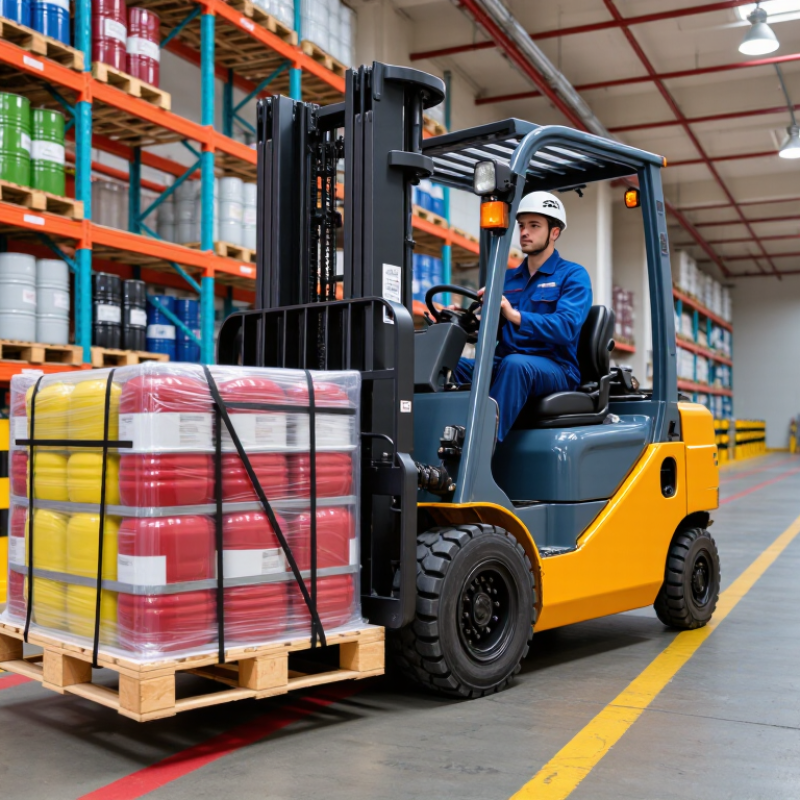
Choosing an explosion-proof forklift in China starts with the exact hazardous-area conditions, not just lifting capacity. Identify the gases or dust, temperature range, floor surface, load weight, and daily travel distance. Then confirm that the truck’s protection rating and complete configuration suit those conditions. A certified base model may not cover every attachment or later modification. Check the documents carefully.
Battery choice affects both operating time and charging arrangements. Compare usable capacity with the actual shift pattern, including pauses and cold-weather performance. Confirm that the battery, connectors, and charging method are approved for the intended area. Charging may need to happen in a designated safe location. Small details matter. A connector that looks ordinary can become a weak point if its protection is unsuitable.
Tires should match the floor, load, and risk of static buildup; ask the supplier to explain the specified compound and its limits. Inspect for cuts, flat spots, and embedded metal. Brakes deserve equal attention: verify their design suits the hazardous environment, then check response, wear, and heat during routine service. Dust changes everything. Plan maintenance around inspection intervals, trained technicians, and approved replacement parts. Keep a record of battery condition, brake adjustments, tire wear, and repairs. A tidy checklist helps, but it cannot replace a site-specific review; even experienced teams can overlook a change in floor coating or operating route.