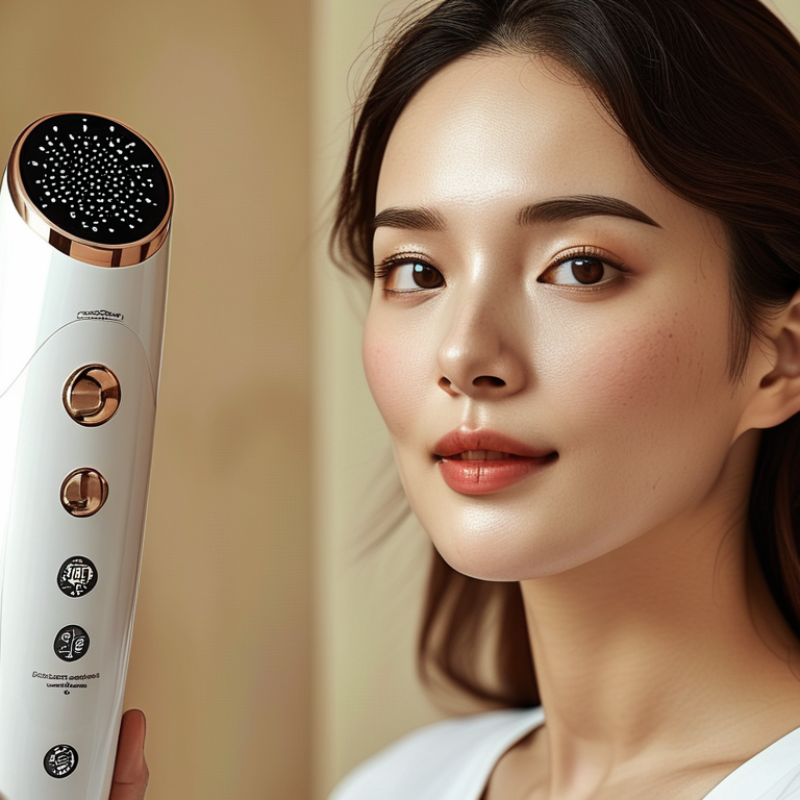
When choosing a skin care machine, safety documents deserve more attention than appearance or treatment claims. A device marketed for heating, light, peeling, or stimulation may require different controls. Check its intended use, risk classification, and stated clinical purpose.
FDA 510(k) clearance means the device is substantially equivalent to a legally marketed device. It does not mean FDA approval, and it does not guarantee identical performance. The FDA’s public 510(k) database is useful for checking the product’s clearance number, indications, and manufacturer details.
CE Marking shows conformity with applicable European Union requirements. It is not a universal quality certificate. Ask for the EU Declaration of Conformity, applicable standards, and notified-body information when required.
IEC 60601-1 addresses basic electrical safety and essential performance for applicable medical electrical equipment. Look for evidence of testing, insulation protection, leakage-current control, and alarm functions.
The World Health Organization’s Global Patient Safety Action Plan reports that around 1 in 10 patients experience harm in healthcare, with at least half considered preventable. That figure makes vague compliance claims difficult to accept.
Tips: Match every certificate to the exact model and intended use. Check serial-number traceability, service records, cleaning instructions, and emergency shut-off access. A certificate folder can look convincing, yet still omit software updates or replacement-part controls. I would treat that gap as a purchasing risk, not a minor paperwork issue. Ask for recent test reports, not only logos on a brochure.