How to Choose the Right Waste Valve in 2026?

Choosing the right waste valve in 2026 requires more than comparing prices or connection sizes. Valve failure can release odors, block a pumping station, or stop an entire treatment line. The UN World Water Development Report 2024 states that 2.2 billion people lacked safely managed drinking water in 2022. It also reports that 3.5 billion lacked safely managed sanitation. These pressures increase demand for durable wastewater infrastructure.

The right waste valve depends on flow solids, pressure, temperature, corrosion risk, and maintenance access. Knife gate valves suit many sludge services, but abrasive particles can damage sealing surfaces. Check valves need careful sizing, especially where sewage pumps create rapid pressure changes. Material selection matters too. Ductile iron, stainless steel, and engineered polymers behave differently beside chemicals and wet wells. A smaller valve is not always cheaper.

Glen T. Daigger, a respected wastewater engineering expert, has said, “The future of water is not about scarcity, but about how we manage it.” His point applies directly to valve selection. A reliable waste valve supports better resource management through fewer leaks, blockages, and emergency repairs. The World Bank has reported that more than 80% of global wastewater is discharged without adequate treatment in many regions. That figure is troubling.

Still, no single valve works everywhere. Site conditions are often misunderstood. Buyers should review flow records, solids content, pressure data, relevant AWWA or ISO requirements, and the manufacturer’s test evidence before approval. Field inspection should follow installation. Even a well-designed specification can fail when operators cannot reach the valve. Practical access matters. More than expected.

How to Choose the Right Waste Valve in 2026?

Waste Valve Basics: Types, Functions, and Common Applications

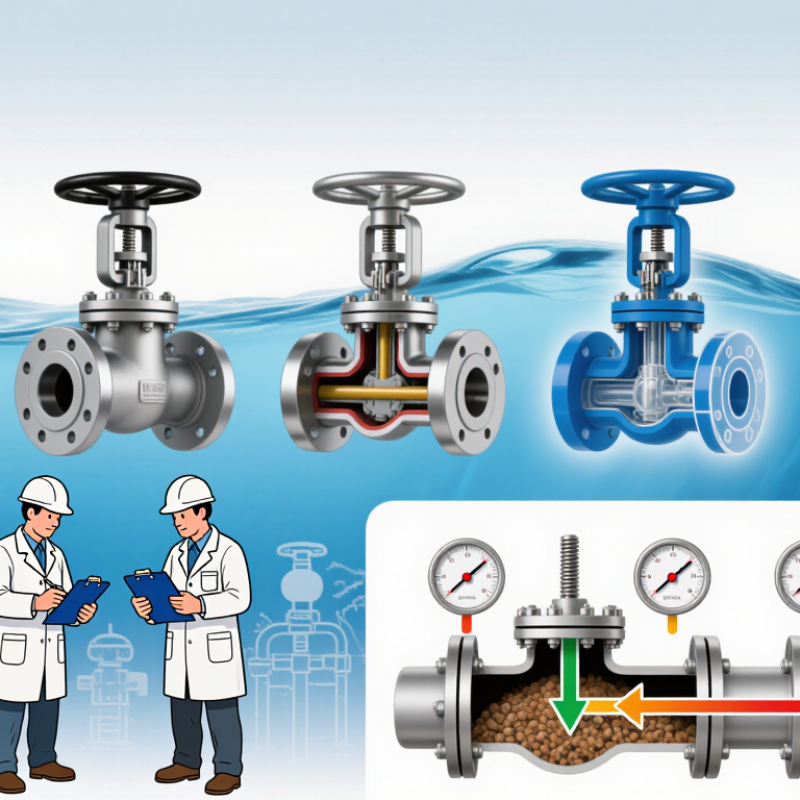
Choosing the right waste valve starts with the waste stream, not the pipe size. Gate valves suit full-flow isolation in clean or lightly contaminated lines. Ball valves provide quick shutoff and a compact body. Check valves stop reverse flow, while knife gate valves handle sludge, fibrous matter, and suspended solids. Butterfly valves are practical for larger pipes where space is limited.

The valve’s function must match its application. A kitchen drain needs corrosion resistance and easy cleaning. A sewage lift station needs reliable backflow protection. Industrial effluent may demand materials that tolerate acids, solvents, abrasion, or high temperatures.

Inspect the seat, stem, seals, and access clearance. Small details matter. A blocked valve can flood a maintenance area within minutes.

The U.S. Environmental Protection Agency’s 2022 Clean Watersheds Needs Survey estimated $630.1 billion in wastewater infrastructure needs over 20 years. That figure shows why selection should consider service life, maintenance, and failure costs, not purchase price alone.

WHO and UNICEF reported that 3.5 billion people lacked safely managed sanitation in 2022, highlighting the importance of dependable sanitation systems worldwide.

In field work, specifications can still miss reality. Waste composition changes seasonally, and “standard” sizing may perform poorly with grit or rags.

I would verify flow, pressure, solids concentration, temperature, and cleaning access before approval. A pilot installation or maintenance review is often worth the extra effort.

Key Factors for Matching a Waste Valve to Your System

Choosing the right waste valve starts with the actual waste stream, not the pipe diameter. A valve handling screenings, grit, or fibrous solids needs a clear passage and strong resistance to blockage. Measure flow, pressure, temperature, particle size, and corrosion potential at the installation point. Small details matter. A 2024 U.S. EPA report estimated $630.1 billion in wastewater infrastructure needs over 20 years. That scale makes poor valve selection an expensive mistake.

Match the valve body, seat, and actuator to operating conditions. Abrasive sludge may require hardened internal surfaces, while corrosive wastewater may demand carefully selected alloys or protective linings. Check the required flow coefficient, pressure rating, shutoff performance, and available maintenance space. Electric, pneumatic, and manual actuation each create different response and safety requirements. The actuator should still operate during low temperatures, power interruptions, or emergency isolation.

Field experience often challenges neat calculations. Flow data may be incomplete, and solids can behave differently after rain or industrial discharge. I would therefore compare design values with several weeks of operating records before final selection. The UN World Water Development Report 2024 links water stress with rising treatment demands, increasing pressure on aging systems. Specify inspection access, spare sealing components, and a practical cleaning method. A valve that performs well on paper may fail quickly when operators cannot reach it. Test it under representative flow conditions.

How to Compare Materials, Sizes, Seals, and Flow Performance

How to Choose the Right Waste Valve in 2026?

How to Compare Materials, Sizes, Seals, and Flow Performance

Choosing a waste valve starts with the actual fluid, not the catalog label. Wastewater may carry grit, rags, grease, chemicals, or abrasive solids. Ductile iron suits many municipal systems, while stainless steel offers stronger corrosion resistance. Plastic options can work well in lighter-duty, chemically aggressive environments. There is no perfect material.

Size the valve for the required flow and the solids it must pass. A smaller valve may reduce purchase cost, but it can increase velocity, pressure loss, and blockage risk. A larger valve may improve flow, yet it can operate poorly at low volumes. Check pipe diameter, operating pressure, temperature, and expected peak flow together.

Seal selection needs equal care. EPDM often handles water and many mild chemicals, while NBR may suit oily waste. PTFE can tolerate wider chemical exposure, but it may need careful installation. Confirm compatibility with the complete waste stream. One overlooked cleaning chemical can damage an otherwise suitable seal.

Flow performance depends on more than the valve opening. Review pressure-drop data, passage shape, discharge capacity, and resistance to ragging. Full-port designs usually reduce turbulence and solids buildup. Field inspections frequently reveal grit packed behind poorly positioned valves. Access for cleaning matters. I would also question optimistic flow figures without test conditions; real systems are rarely perfectly clean.

Installation and Maintenance Requirements for Waste Valves

How to Choose the Right Waste Valve in 2026?

Installation begins with the waste stream, not the valve catalog. Identify the fluid, solids, temperature, pressure, and expected flow rate. A valve handling abrasive sludge needs different protection from one carrying clean process water. Check the valve rating against the actual operating conditions, including pressure surges. A small mismatch can create expensive failures.

Prepare the pipework before installation. Remove debris, confirm flange alignment, and support heavy piping independently. The valve should not carry pipe stress. Install it in the recommended direction, with enough clearance for inspection and actuator movement. Tighten fasteners evenly, using the specified torque. Over-tightening may damage seals. Under-tightening may cause leakage. It sounds basic, but rushed installations often miss this.

Maintenance should include visual checks, leak monitoring, corrosion inspection, and regular valve operation. Exercise the valve according to the service schedule, even when flow is infrequent. Flush deposits when the process permits, and inspect seats, packing, bolts, and actuator connections. Replace worn sealing parts before leakage becomes severe. Not every stiff valve needs immediate replacement; buildup, misalignment, or incorrect pressure may be the real cause. Record each inspection with dates, findings, and corrective work. Those records support safer decisions later. In uncertain conditions, isolate the line and ask a qualified technician to verify the fault before opening the assembly.

Safety, Compliance, Cost, and Long-Term Selection Considerations

How to Choose the Right Waste Valve in 2026?

Waste streams are rarely clean. They may contain grit, fibers, chemicals, heat, or trapped pressure. Select the valve after testing the actual waste profile. A knife gate valve may suit dry solids, while a pinch valve can handle abrasive slurries. Safety depends on isolation reliability, actuator protection, emergency access, and visible position indicators. ISO 5208 leakage testing offers a useful benchmark, but local machinery and pressure requirements still apply. Small details matter.

The World Bank’s What a Waste 2.0 report estimates that global municipal waste reached 2.01 billion tonnes annually. It could rise to 3.40 billion tonnes by 2050. Higher volumes make unplanned shutdowns more expensive. Compare purchase price, energy use, maintenance hours, spare parts, and disposal costs. A cheaper valve can create costly failures. That assumption needs checking.

Long-term selection should include corrosion resistance, abrasion allowance, cycle frequency, and cleaning access. Ask for documented test results, material certificates, and service references. The U.S. EPA reported 292.4 million tons of municipal solid waste generated in 2018, showing the scale of daily operating pressure. For critical lines, consider double isolation or position feedback. It may seem excessive. Sometimes it is not. However, overengineering can waste capital when the medium is mild and cycles are limited. Review the decision annually, because waste composition, regulations, and operating loads change.

How to Choose the Right Waste Valve in 2026?

Safety, compliance, cost, and long-term reliability should be evaluated together. The chart presents a normalized engineering screening index from 0 to 100 for common valve types used in waste-handling applications. Higher scores indicate stronger suitability for the selected criterion; final selection should be verified against the waste composition, pressure, temperature, solids content, and applicable local requirements.

Screening basis: normalized 0–100 decision scores covering isolation safety, documentation and compliance readiness, purchase and maintenance cost efficiency, and expected service-life performance. Actual project decisions should use verified technical documentation, inspection requirements, and lifecycle-cost calculations.

Top