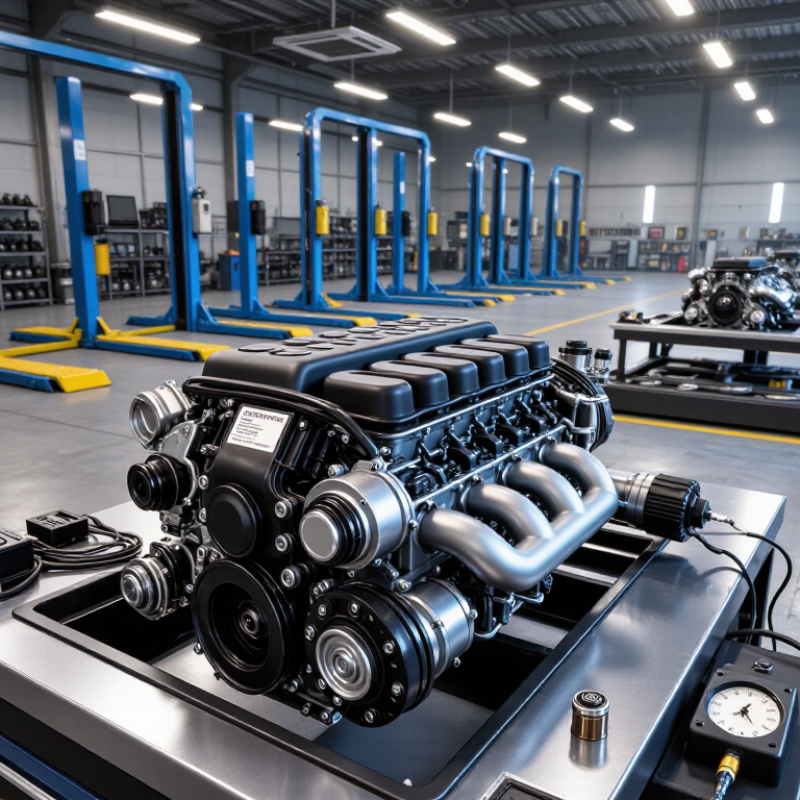
| Engine assembly level | Confirm whether the listing is for a long block, a complete engine, or a dressed engine. | A long block generally includes the engine block, cylinder head or heads, and internal valve-train components. A dressed or more complete assembly may also include items such as the intake manifold, fuel system parts, ignition components, or accessories; exact contents vary. | The term “full engine” is not a standardized parts list. Get the included and excluded components in writing before comparing prices. |
| Commonly excluded parts | Ask specifically about the alternator, starter, air-conditioning compressor, wiring harness, engine control unit, exhaust manifolds, and transmission. | These parts are often transferred from the old engine or purchased separately. Fluids, filters, belts, hoses, and installation hardware may also be excluded. | Excluded parts can add substantially to the total replacement cost and affect installation timing. |
| Vehicle fitment | Match the vehicle identification number, model year, engine code, displacement, fuel type, and emissions specification. | Engines that share a displacement may still differ in mounting points, sensors, wiring, emissions equipment, or calibration. | Visual similarity alone does not establish compatibility. Confirm fitment with the seller and, where needed, a qualified technician. |
| Engine condition | Identify whether the engine is new, remanufactured, rebuilt, or used. | A used engine is typically a previously operated assembly. A remanufactured engine is disassembled, inspected, and reconditioned to a defined process. “Rebuilt” can describe different scopes of work, so request the actual work performed. | Condition labels alone do not reveal inspection standards, replaced parts, or remaining service life. |
| Inspection records | Request available test results and documentation, such as compression or leak-down readings, oil-pressure checks, and inspection reports. | Not every test is applicable to every engine or sale condition. Ask how and when each test was performed and whether the results apply to the specific unit being sold. | Documented checks provide more useful evidence than a general statement that an engine was tested. |
| Warranty terms | Read the coverage period, covered components, labor provisions, claim process, and exclusions. | Some warranties require installation by a licensed repair facility, replacement of related components, or proof that specified procedures were followed. | A parts-only warranty may not cover labor, towing, fluids, or damage caused by an unresolved cooling or lubrication problem. |
| Shipping and returns | Confirm freight charges, delivery method, inspection requirements, return authorization rules, and who pays return freight. | Engines are heavy freight items and may arrive on a pallet. Visible shipping damage should be documented promptly according to the carrier’s and seller’s instructions. | Return conditions and freight costs can materially change the risk and total cost of a purchase. |
| Total installed cost | Include the engine, freight, labor, fluids, filters, seals, belts, hoses, and any required ancillary parts or programming. | The final amount depends on the vehicle, engine assembly level, local labor rates, and the condition of parts transferred from the old engine. | Compare complete written estimates rather than engine prices alone. |
| When replacement may be appropriate | Consider replacement after a qualified diagnosis identifies severe internal damage or repair costs that are not practical for the vehicle. | Examples can include a cracked block, extensive internal damage, or repeated major failures. A repairable cylinder head, gasket, or accessory fault may not require a complete engine. | Diagnose the root cause first; replacing the engine without fixing an overheating, lubrication, or contamination problem can lead to another failure. |
| Before installation | Follow the engine supplier’s installation requirements and the vehicle’s service information. | Common procedures may include checking the cooling and lubrication systems, replacing specified seals or service items, priming the oil system where required, and verifying clearances and connections. | Correct installation and resolution of the original failure cause are important for reliability and warranty eligibility. |