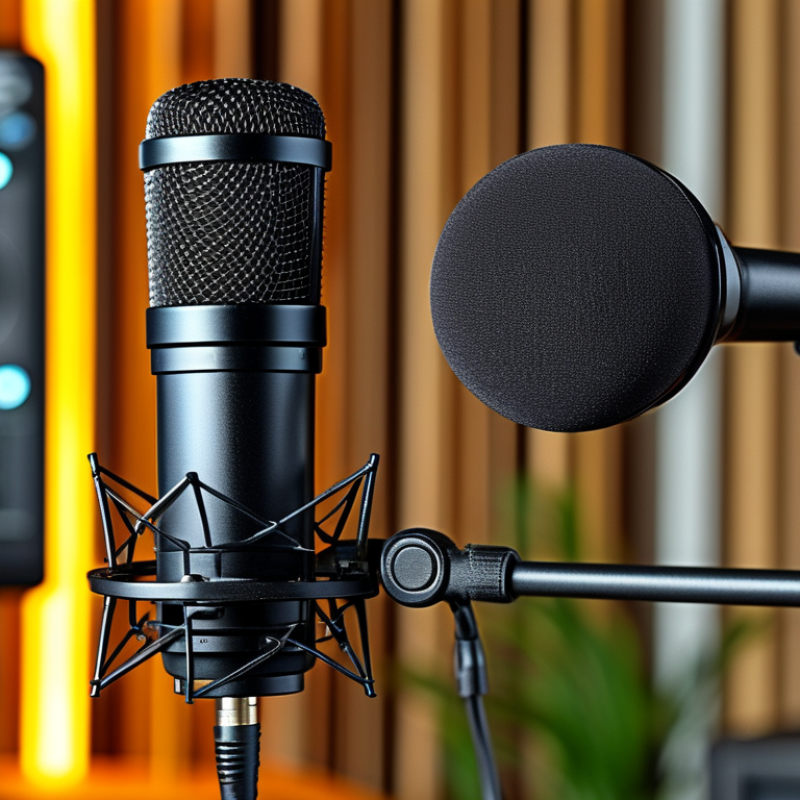
| Connection | A USB microphone converts the microphone capsule’s analog signal into digital audio inside the microphone and sends it to a computer, tablet, or compatible console through USB. | USB-C is common on current devices; USB 2.0 is sufficient for one-channel microphone audio. A USB audio device normally works without a separate audio interface. | Plug-and-play streaming, voice chat, online teaching, and podcasting | Confirm the included cable, connector type, operating-system support, and whether an adapter is needed. |
| Polar Pattern | The polar pattern describes how sensitive the microphone is to sound arriving from different directions. | Cardioid emphasizes the front and reduces sound from the rear. Omnidirectional captures sound from all directions. Bidirectional captures the front and rear while rejecting the sides. | Cardioid for one-person streaming; bidirectional for face-to-face interviews | Choose a pattern that matches the number and position of speakers. A selectable-pattern model offers more flexibility but may require careful setup. |
| Sample Rate | Sample rate is the number of audio measurements taken per second. | 44.1 kHz and 48 kHz are standard choices for digital audio. 48 kHz is widely used for video production and streaming. | 48 kHz for video, livestreaming, and most spoken-word content | Higher sample rates do not automatically improve speech quality. Ensure the microphone and recording software use the same setting. |
| Bit Depth | Bit depth affects the number of amplitude levels available for each audio sample and contributes to recording dynamic range. | 16-bit is adequate for many basic voice applications. 24-bit provides more recording headroom and is common in current USB microphones. | 24-bit for editing, processing, and greater level-adjustment flexibility | Bit depth is only one part of sound quality; microphone placement, room noise, and gain setting usually have a larger practical effect. |
| Frequency Response | Frequency response indicates the range of frequencies the microphone is designed to capture. | Many speech-focused microphones list a range around 20 Hz–20 kHz, although the response may not be flat across that range. | A smooth midrange response for clear speech and intelligible vocals | Do not compare microphones by range alone. Look for a response suited to speech and listen for excessive bass, harsh treble, or unnatural coloration. |
| Maximum SPL | Maximum sound-pressure level is the loudest sound the microphone can handle before significant distortion, usually under stated test conditions. | Many condenser USB microphones specify approximately 110–130 dB SPL, depending on the capsule and electronics. | Loud speech, singing, instruments, and users who work close to the microphone | Higher maximum SPL reduces overload risk, but it does not replace correct gain control or suitable microphone distance. |
| Self-Noise | Self-noise is the microphone’s internally generated noise when no external sound is present. | Lower figures are quieter. A self-noise rating below approximately 20 dBA is generally suitable for detailed spoken-word recording in a quiet room. | Quiet narration, podcasts, voice-over, and low-volume speakers | Compare measurements made under similar standards. Room noise, computer fans, and keyboard sounds can be louder than the microphone’s own noise. |
| Gain Control | Gain adjusts how strongly the microphone’s analog signal is amplified before conversion to digital audio. | A physical gain knob is useful for quick adjustment. Digital recording levels should normally leave headroom and avoid reaching 0 dBFS. | Live streaming and shared workspaces where sound levels change quickly | Prefer a dedicated gain control over software-only adjustment when you need immediate control during a broadcast. |
| Headphone Monitoring | A headphone output lets the user hear the microphone signal directly from the microphone, often with low latency. | Look for a 3.5 mm headphone jack and a separate headphone-volume control. Some models provide a mix control between microphone and computer audio. | Live monitoring, gaming, calls, and avoiding distracting audio delay | Check whether direct monitoring is available and whether the controls change microphone gain, headphone volume, or both. |
| Latency | Latency is the delay between speaking and hearing the monitored signal. | Direct hardware monitoring can provide near-instant monitoring. Monitoring through recording software may introduce delay depending on the computer and buffer settings. | Live vocals, interactive streaming, and real-time voice work | Use direct monitoring when possible, or reduce the software buffer size if the computer can process the audio reliably. |
| Microphone Type | The transducer changes sound sensitivity, frequency behavior, and handling requirements. | Condenser designs are generally sensitive and detailed. Dynamic designs are often less sensitive to room noise and can tolerate high sound levels. | Condenser for quiet rooms; dynamic for untreated or noisy rooms | A sensitive condenser can capture fans, keyboard noise, and reflections. A dynamic microphone usually requires closer placement and more gain. |
| Room Acoustics | Reflections from walls, desks, and hard surfaces can make recorded speech sound echoey even when the microphone is technically high quality. | A quiet, furnished room with reduced reflections is preferable. Placing the microphone about 10–20 cm from the speaker, with a pop filter, is a common starting point. | Any streamer seeking clearer, more consistent speech | Improve the room and microphone position before relying on software noise reduction or aggressive equalization. |
| Mounting and Vibration Control | The stand or mount determines stability and helps reduce desk bumps and mechanical noise. | Desktop stands are compact. Boom arms free desk space. Shock mounts can reduce some vibration transmitted through the stand. | Boom arm for frequent streaming; weighted stand for simple fixed setups | Check thread compatibility, desk-clamp clearance, cable routing, and whether the mount can support the microphone’s weight. |
| Pop Protection | Plosive sounds from consonants such as “p” and “b” can create low-frequency bursts when air strikes the capsule. | A foam windscreen or external pop filter reduces plosives. Positioning the microphone slightly off-axis also helps. | Close-mic speech, narration, podcasting, and vocals | Use a pop filter without blocking controls or causing the microphone to move. Maintain a consistent speaking distance. |
| Controls and Mute | On-microphone controls provide fast access to common adjustments during a live session. | Useful controls may include mute, gain, headphone volume, and microphone/computer mix. A clear mute indicator helps prevent accidental broadcasting. | Live broadcasters, gamers, and meeting hosts | Check whether mute is touch-sensitive or mechanical and whether the indicator remains visible in the user’s normal position. |
| Compatibility | Compatibility determines whether the microphone can communicate with the intended host device and application. | Class-compliant USB audio devices generally work with supported desktop operating systems without a proprietary driver. Mobile and console support varies. | Users who switch between computers, tablets, and consoles | Verify host-device support, available USB power, required adapters, and whether the target streaming software can select the microphone as an input. |
| Power Requirements | USB power runs the microphone’s preamp, analog-to-digital converter, controls, and monitoring circuit. | Most USB microphones draw power directly from the USB port. Mobile devices may need an adapter or powered hub if available power is limited. | Desktop setups with direct USB connections | Check power behavior with tablets, phones, hubs, and consoles before relying on the microphone for mobile streaming. |
| Use-Case Match | The best microphone is determined by the environment, speaker distance, number of speakers, and required control features—not by specifications alone. | Single speaker: cardioid and direct monitoring. Noisy room: dynamic or strong off-axis rejection. Multiple speakers: wider pattern or separate microphones. | Choose the simplest configuration that meets the recording conditions | Prioritize room suitability, polar pattern, monitoring, controls, and mounting before choosing extra sample-rate or software features. |