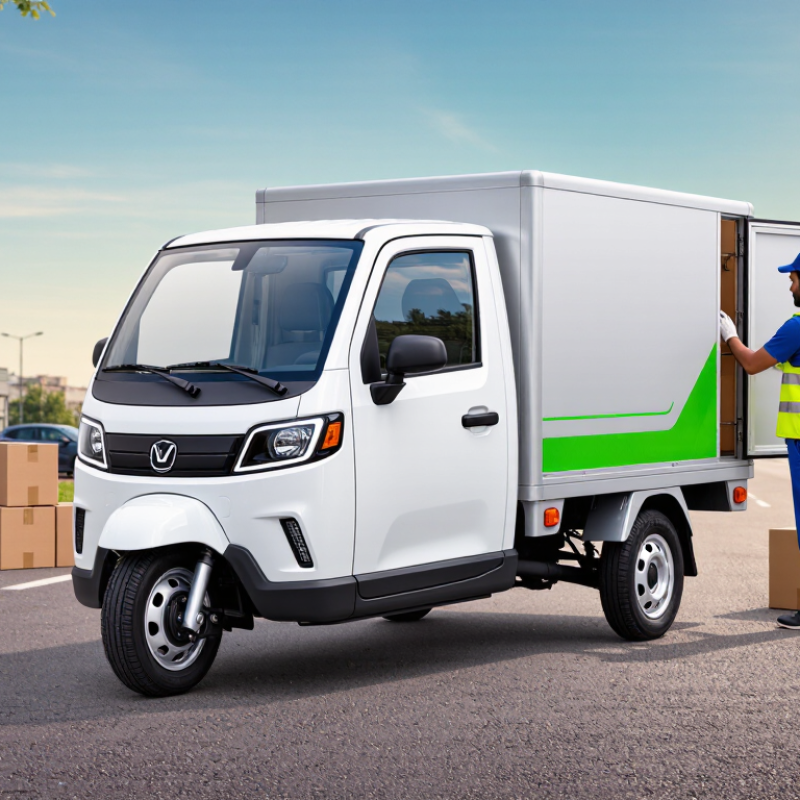
| Cargo Type | What materials will be transported, and are they fragile, liquid, temperature-sensitive, or hazardous? | Cargo category, packaging, handling method, spill or weather exposure risk. | Sealed cartons, grocery bags, parcels, tools, and dry goods. | Select a flatbed, box body, or enclosed cargo compartment according to protection and loading needs. |
| Payload Weight | What is the normal load, and what is the maximum load on the busiest route? | Average payload, peak payload, number of loads per day, and weight distribution. | Typical load: 250 kg; peak load: 400 kg. | Choose a rated payload above the maximum planned load and maintain compliance with the vehicle's gross vehicle weight rating. |
| Cargo Volume | Does the cargo reach the weight limit before the cargo compartment is full? | Cargo length, width, height, cubic volume, pallet or container dimensions. | Required usable space: approximately 2.5 m³; longest item: 1.8 m. | Compare internal body dimensions, door opening size, floor area, and payload capacity rather than relying only on external dimensions. |
| Loading and Unloading | Where and how will cargo be loaded and delivered? | Loading height, dock height, door arrangement, lifting equipment, loading frequency. | Manual loading from ground level at 20 delivery points per day. | Prioritize a low floor, wide rear or side access, secure tie-down points, and easy-to-clean surfaces. |
| Daily Distance | How far does the vehicle travel in one operating day? | Daily route distance, number of trips, detours, and return-to-base distance. | Approximately 70 km per day with a return to the depot. | Use route data from actual operations and include a practical energy reserve instead of selecting a battery solely from the advertised maximum range. |
| Range and Energy Reserve | How much range is required under real load, traffic, slopes, and weather conditions? | Required range, minimum state of charge at return, terrain, temperature, and payload. | Required route range: 70 km; planning reserve: 15–20%. | A vehicle tested for the route should generally provide at least 82–88 km of usable planning range for this example. |
| Road and Terrain | Will the vehicle operate on flat roads, steep grades, rough surfaces, or mixed roads? | Maximum gradient, road surface, potholes, ground clearance, and seasonal conditions. | Urban roads with short grades up to 8% and occasional uneven surfaces. | Verify gradeability at maximum payload, traction, suspension capacity, braking performance, and clearance. |
| Operating Speed | What speed is appropriate and legally permitted on the routes? | Urban speed limits, average route speed, traffic conditions, and delivery time targets. | Average travel speed: 25–35 km/h in a dense urban area. | Match the vehicle's permitted maximum speed and braking system to local regulations and route conditions. |
| Route Access | Can the vehicle enter alleys, markets, pedestrian zones, or restricted streets? | Road width, turning space, height restrictions, parking restrictions, and access permits. | Minimum access width: 2.5 m; frequent stops on narrow streets. | Check overall width, turning radius, vehicle height, mirror clearance, and maneuverability at full load. |
| Charging Schedule | When and where can the vehicle be charged? | Available charging hours, electrical supply, charger location, and daily operating shifts. | Charging available for 10 hours overnight at the depot. | Select a battery and charger that can restore the required energy within the available parking window. |
| Battery and Weather | Will heat, cold, rain, dust, or flooding affect daily operation? | Temperature range, rainfall, dust exposure, water crossings, battery protection, and storage conditions. | Outdoor operation in temperatures from 5°C to 35°C with seasonal rain. | Confirm battery operating limits, water and dust protection, charging precautions, and sheltered parking requirements. |
| Duty Cycle | How many hours, trips, and stops are completed each day? | Operating hours, stop frequency, idle time, shift pattern, and annual working days. | 8-hour shift, 20 stops, and 300 operating days per year. | Evaluate battery durability, brake and tire wear, service intervals, and total cost over the planned service life. |
| Safety Requirements | What safety risks exist for the driver, pedestrians, and cargo? | Seat belts, mirrors, lights, reversing visibility, load restraint, braking, and stability requirements. | Frequent pedestrian interaction and mixed traffic during daytime deliveries. | Require effective brakes, lighting, reflectors, warning systems, secure cargo restraints, and compliance with applicable regulations. |
| Legal and Registration | What vehicle classification and operating permissions apply? | Local registration category, driving licence, insurance, inspection, and payload restrictions. | Commercial operation on public roads within one municipality. | Confirm local requirements before purchase because permitted speed, dimensions, equipment, and driver qualifications vary by jurisdiction. |
| Total Cost of Ownership | What operating cost target must the vehicle meet? | Purchase price, electricity use, maintenance, insurance, financing, battery replacement, and residual value. | Cost comparison over 5 years and 90,000 km of planned operation. | Compare cost per kilometre and cost per delivered order, not only the initial purchase price. |