| Origin and Traceability | Clearly identified Chinese growing region, harvest year, lot number, and processing location. | Look for a traceable origin statement and a batch or lot code. A specific region is more informative than a general “Made in China” statement. | Traceability helps verify freshness, production consistency, and accountability. |
| Tea Plant Material | Young, tender leaves and buds selected for shade-grown matcha production. | The raw material should be described as tencha or shade-grown leaves rather than ordinary green-tea leaf or tea dust. | Tencha is traditionally produced for matcha and generally gives a smoother texture and more balanced flavor. |
| Pre-Harvest Shading | The tea plants are shaded before harvest, commonly for approximately 2–4 weeks. | Ask whether shading was used and how long it lasted. The exact method may involve nets or other light-reduction systems. | Shading can increase chlorophyll and L-theanine levels while reducing the development of harsh bitterness. |
| Harvest Timing | A young spring harvest is generally preferred for a fresh, delicate profile. | Check the harvest season and year. “First harvest” should be supported by a clear harvest date or lot record. | Earlier, younger leaves usually contain fewer coarse fibers and can produce a finer, more refined cup. |
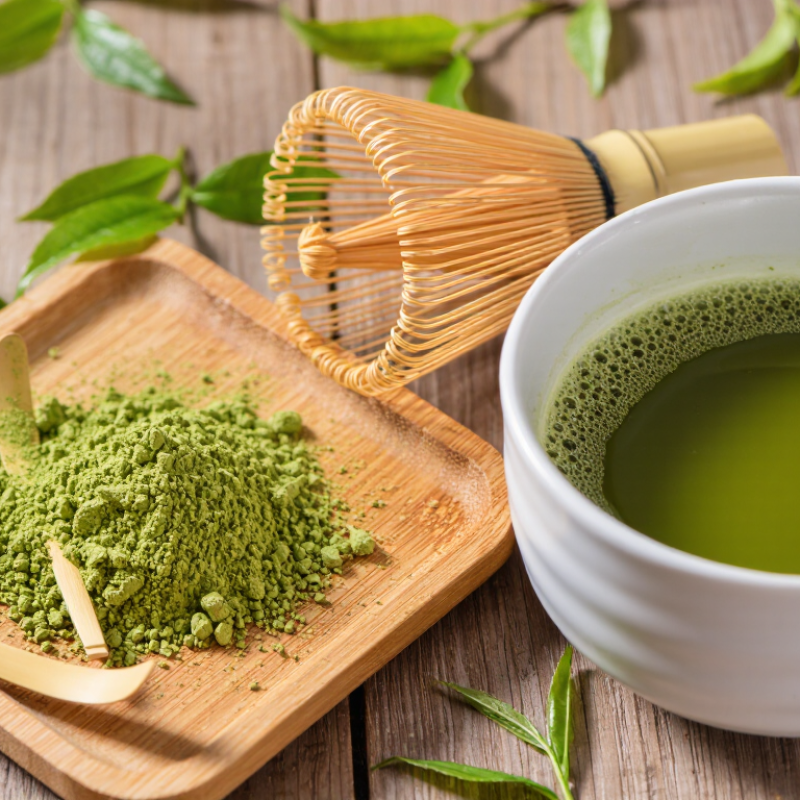
| Color | Bright, vivid green with a fresh appearance; not dull brown, yellow, or gray-green. | Color should be assessed under neutral light. Very bright color alone is not proof of quality, because color can be affected by storage and processing. | Green color is associated with chlorophyll retention and proper handling, but it must be evaluated together with aroma and taste. |
| Aroma | Fresh, sweet, vegetal, lightly marine, or softly nutty aroma. | Prefer a clean aroma without hay, smoke, sourness, mustiness, chemical notes, or strong roasted odors. | A clean aroma indicates freshness and helps reveal poor storage or unwanted contamination. |
| Flavor Balance | Smooth umami, gentle sweetness, moderate bitterness, and a lingering finish. | When prepared traditionally, the tea should not taste sharply bitter, burnt, sour, metallic, or excessively astringent. | Ceremonial-style matcha is normally chosen for drinking with water, so balance and finish are more important than merely strong flavor. |
| Texture and Mouthfeel | Fine, creamy, and smooth when whisked, with minimal grittiness. | Small clumps can occur because matcha is a fine powder, but persistent sand-like particles suggest insufficient milling or unsuitable raw material. | Fine particles suspend more evenly in water and create the characteristic full-bodied matcha texture. |
| Particle Fineness | Very fine powder produced by slow stone milling or a controlled equivalent process. | Manufacturers may provide a particle-size specification. Avoid judging quality by particle size alone; milling method and raw material both matter. | Finer particles improve suspension and mouthfeel, while excessive heat during milling may damage aroma and freshness. |
| Moisture and Freshness | Dry powder with no visible dampness, oiliness, or hardened moisture-related lumps. | Check the packed-on date, best-before date, airtight packaging, and storage instructions. A laboratory moisture specification is useful when available. | Moisture, oxygen, heat, and light accelerate flavor loss, color degradation, and clumping. |
| Contaminant Compliance | Passes applicable food-safety limits for pesticides, heavy metals, microorganisms, and other regulated contaminants. | Request a recent certificate of analysis for the specific lot. Results should identify test methods, units, limits, and the tested batch. | Tea leaves can accumulate environmental residues, so independent or accredited laboratory testing provides meaningful protection. |
| Packaging | Opaque, airtight, food-grade packaging with a reliable seal and clear lot information. | Prefer packaging that limits exposure to light, oxygen, heat, and moisture. Resealable inner packaging is useful after opening. | Matcha oxidizes relatively quickly compared with larger-leaf teas because the leaves are ground into a powder. |
| Storage Conditions | Stored cool, dry, dark, and airtight; refrigerated storage may be used when condensation is prevented. | After opening, keep the powder tightly sealed and allow a chilled container to reach room temperature before opening to avoid condensation. | Correct storage helps preserve the green color, fresh aroma, sweetness, and umami character. |
| Preparation Performance | Whisks into a relatively even suspension with a fine foam and no harsh aftertaste. | Test approximately 1–2 g of matcha with 60–70 ml of water at about 70–80°C. Avoid boiling water, which can emphasize bitterness. | A practical preparation test evaluates the product as it is actually consumed and helps separate ceremonial-style matcha from cooking-grade powder. |
| Label Accuracy | The label clearly states ingredients, net weight, country of origin, production information, shelf life, and storage guidance. | Pure ceremonial matcha should list one ingredient: powdered green tea leaves. Be cautious with vague claims such as “premium” without supporting details. | Complete labeling makes comparison easier and reduces the risk of buying blended, sweetened, or misrepresented powder. |