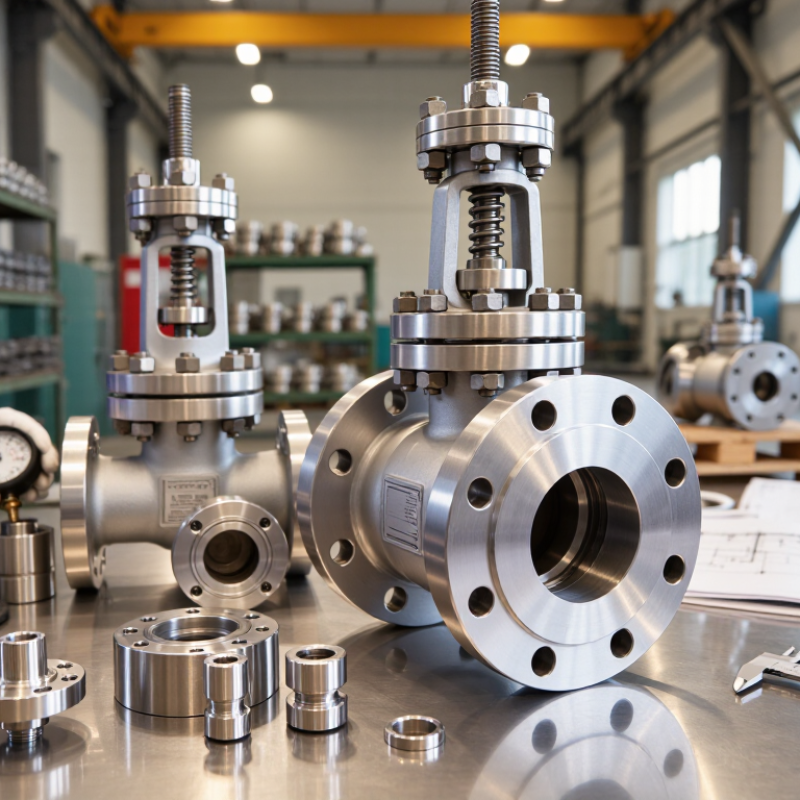
| Valve Design and Rating | API 594; ASME B16.34 | Confirm valve type, pressure class, nominal size, end connection, flow direction, and service temperature. | The design should match the required pressure-temperature rating and the specified piping system. | Approved drawing, datasheet, design calculation, pressure-temperature rating chart, and model identification sheet. | Critical |
| Face-to-Face and End Dimensions | API 594; ASME B16.10; ASME B16.5 or ASME B16.47 | Check face-to-face length, flange dimensions, bolt-hole pattern, bore, and end-to-end tolerances. | Dimensions must conform to the purchase specification and the selected dimensional standard. | Certified dimensional inspection report, general arrangement drawing, and flange inspection records. | Critical |
| Pressure-Containing Materials | ASME B16.34; ASTM material specifications; project material specification | Verify body, cover, disc, hinge, seat, shaft, spring, and fastener materials for the intended fluid and temperature. | Material grade, heat treatment, and service compatibility must comply with the approved bill of materials. | Material test certificates, heat numbers, heat-treatment records, and approved material traceability list. | Critical |
| Material Traceability | ISO 9001 quality-management practices; purchase specification | Check whether each pressure-retaining component can be traced from the finished valve to the original material heat. | Heat numbers on components should match material certificates and manufacturing records without unexplained gaps. | Traceability matrix, marking photographs, material certificates, and production traveler. | Critical |
| Shell Hydrostatic Test | API 598; ISO 5208; EN 12266-1 | Test the pressure boundary of the assembled valve for body, cover, and pressure-containing joint integrity. | Use the pressure, test medium, stabilization time, and allowable leakage requirements specified by the applicable standard and purchase order. No visible pressure-boundary leakage is normally permitted. | Test certificate showing test pressure, duration, medium, gauge identification, result, and inspector approval. | Critical |
| Seat Leakage Test | API 598; ISO 5208; EN 12266-1 | Test both sealing directions where the valve design and service require bidirectional shutoff. | Leakage must not exceed the selected leakage-rate class or the project-specified limit. The test direction and medium must be recorded. | Seat-test report including valve orientation, test pressure, duration, leakage rate, and acceptance class. | Critical |
| Low-Pressure Air or Gas Seat Test | API 598; ISO 5208, when specified | Check low-pressure sealing performance, especially for soft-seated or resilient-seated designs. | Leakage must comply with the applicable standard, valve type, seat material, and purchase specification. | Low-pressure test record identifying test gas, pressure, test time, and measured leakage. | Recommended |
| Functional Operation Test | API 598; API 594; manufacturer quality procedure | Operate the disc, hinge, spring, shaft, and seat through the required movement without sticking or abnormal noise. | The disc should move freely, return correctly, and achieve the specified closed position. No harmful interference or mechanical damage should occur. | Functional test record, operating-cycle count, inspection checklist, and corrective-action history if applicable. | Critical |
| Flow Direction and Non-Return Performance | API 594; approved design documentation | Confirm correct flow-arrow marking, disc orientation, hinge position, spring arrangement, and prevention of reverse flow. | Valve markings and internal assembly must correspond to the approved flow direction and application requirements. | Assembly drawing, nameplate or body-marking photographs, and final inspection report. | Critical |
| Nondestructive Examination | ASME Section V; ASTM E709; ASTM E1444/E1444M; project specification | Inspect castings, forgings, weld repairs, and critical pressure-containing areas for surface or internal discontinuities. | The examination method and acceptance level should be defined by the material, manufacturing route, service risk, and contract specification. | NDT procedures, personnel qualification records, inspection reports, radiographs or digital files, and repair records. | Recommended |
| Positive Material Identification | Project specification; material-control procedure | Verify alloy composition of stainless steel, alloy steel, nickel alloy, and other corrosion-resistant components. | Measured chemical composition must fall within the specified material grade limits. | PMI report, instrument calibration record, test-point map, and component traceability references. | Recommended |
| Sour-Service Compatibility | NACE MR0175/ISO 15156 | For hydrogen-sulfide-containing oil and gas service, review material hardness, heat treatment, environmental limits, and resistance to sulfide stress cracking. | Materials and hardness values must comply with the applicable part of NACE MR0175/ISO 15156 and the project environment. | Sour-service compliance statement, hardness report, heat-treatment records, and material certificates. | Critical |
| Surface Protection and Coating | ISO 12944; project coating specification | Inspect surface preparation, coating type, dry-film thickness, adhesion where required, and protection of machined sealing surfaces. | Coating system and dry-film thickness must meet the specified corrosivity category and project requirements. Sealing faces must remain free of coating damage. | Coating data sheet, surface-preparation record, dry-film thickness report, and inspection photographs. | Recommended |
| Marking and Identification | API 594; ASME B16.34; purchase specification | Check size, pressure class, material designation, body or heat marking, flow direction, and production identification. | Markings must be legible, permanent, and consistent with the approved drawings, certificates, and order documents. | Final visual inspection report and clear marking photographs. | Critical |
| Gasket and Fastener Control | ASME B16.20; ASME B16.21; project specification | Verify gasket type, dimensions, facing compatibility, fastener grade, coating, and tightening requirements. | Components must be compatible with flange rating, temperature, fluid, and corrosion conditions. | Gasket certificates, fastener material certificates, torque procedure, and assembly record. | Recommended |
| Quality Management System | ISO 9001 | Evaluate documented control of design, purchasing, production, inspection, nonconformities, calibration, and corrective actions. | The quality system should be current, relevant to valve manufacturing, and supported by controlled production records. | Valid quality certificate, audit report, quality manual extract, process flow chart, and corrective-action records. | Critical |
| Calibration and Inspection Equipment | ISO 9001; ISO/IEC 17025 for external laboratories | Check calibration of pressure gauges, torque tools, dimensional instruments, test benches, chemical-analysis equipment, and hardness testers. | Calibration must be valid at the time of testing, traceable to recognized standards, and suitable for the measurement range. | Calibration certificates, equipment register, laboratory accreditation evidence, and out-of-calibration evaluation records. | Critical |
| Factory Acceptance Inspection | Inspection and Test Plan; purchaser specification | Define hold points, witness points, document review, sampling level, inspection scope, and release conditions before shipment. | No valve should be released until all required tests are complete, nonconformities are closed, and the final dossier is accepted. | Approved ITP, inspection notices, punch list, nonconformance reports, release note, and final data book. | Critical |
| Final Documentation | Contract quality requirements | Review completeness and consistency of drawings, certificates, test reports, inspection records, manuals, spare-parts lists, and packing records. | Documents should identify the same valve size, rating, material, serial or production number, test results, and revision status. | Indexed manufacturing record book, operation and maintenance manual, inspection dossier, and certificate of conformity. | Critical |
| Packaging and Preservation | Project packaging specification; applicable transport requirements | Check flange protection, desiccant where needed, internal cleanliness, corrosion protection, lifting points, and shock protection. | Valve internals and machined surfaces should be protected against contamination, moisture, impact, and distortion during storage and transport. | Packing list, preservation procedure, packing photographs, storage instructions, and shipping inspection report. | Standard |