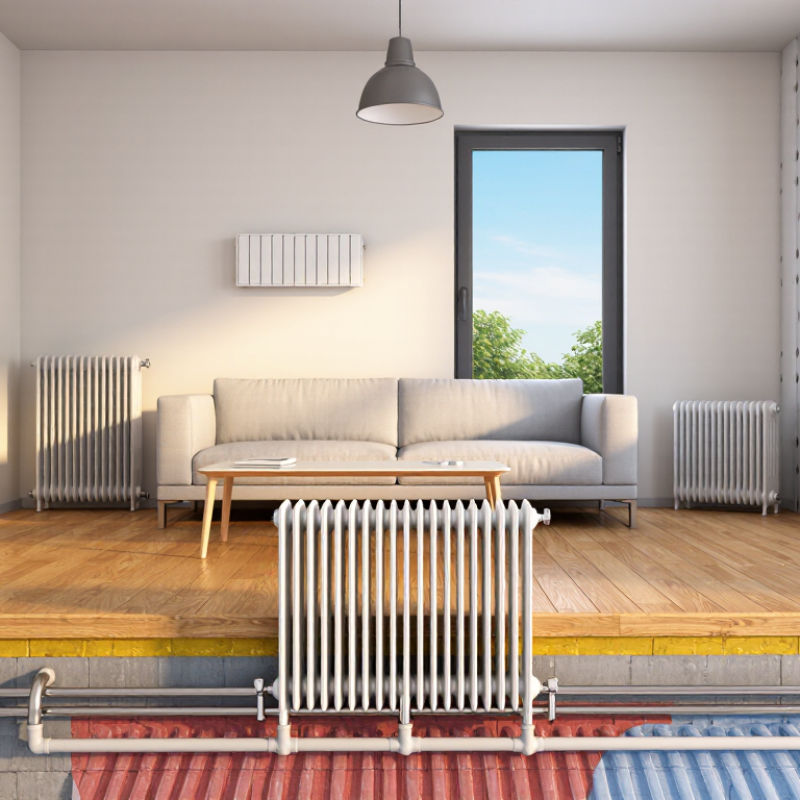
Double panel radiators suit rooms that need stronger, steadier heat than a single panel can provide. Their two heated panels create more surface area, helping warm medium or large living rooms, open-plan spaces, and bedrooms with external walls. They can also support rooms with tall ceilings or several windows, where heat escapes more quickly.
Room insulation matters greatly. A well-insulated room may need less output, while an older room with draughty frames can lose heat rapidly. In practice, installers usually estimate the required heat output in watts, considering floor area, ceiling height, window size, and wall exposure. Bigger is not always better. An oversized radiator may cause short heating cycles and uncomfortable temperature changes.
Double panel models work well beneath wide windows because rising warm air can reduce cold downdraughts. They are less suitable for narrow hallways or compact rooms with limited wall space. Their greater depth also needs careful clearance from furniture, curtains, and shelving. Keep airflow open.
A thermostatic valve can help control each room independently, although correct system balancing remains important. Poor balancing can leave one radiator hot while another stays lukewarm. That detail is easy to miss. Professional sizing is worthwhile, especially in older properties where insulation and boiler performance may vary. Even experienced installers can misjudge heat loss without checking the room carefully.