How to Choose the Right Diaphragm Valve?

Choosing the right diaphragm valve begins with understanding the process, not the catalog description. Each application places different demands on the valve body, diaphragm, actuator, and connection method. A valve handling clean water may need different materials than one used with acidic chemicals or abrasive slurries. Details matter.

Process temperature, pressure, fluid concentration, and flow rate should guide every selection decision. Engineers should also examine whether the fluid contains particles that could damage the diaphragm during repeated cycling. A lined valve body may provide valuable corrosion resistance, while an elastomer or PTFE diaphragm can change performance across different temperature ranges. Fit comes first.

Practical experience often reveals issues that specifications overlook. For example, a valve installed near a hot pipe may experience greater thermal stress than laboratory data suggests. Limited access can also make diaphragm replacement difficult, increasing maintenance time and operating costs. These conditions deserve attention before purchase.

The correct diaphragm valve must match the piping system, control strategy, and maintenance plan. Manual, pneumatic, and electric actuation each offer distinct benefits. Pneumatic control may suit frequent cycling, while manual operation can remain reliable in simple isolation service. That assumption fails when emergency closure or accurate throttling becomes necessary.

Material compatibility should be verified through manufacturer data and experienced engineering review. Certification, pressure testing, spare-part availability, and supplier support also affect long-term reliability. A lower initial price may hide shorter diaphragm life or complicated servicing. This guide examines these factors carefully, while recognizing that no single valve suits every process.

How to Choose the Right Diaphragm Valve?

What a Diaphragm Valve Is and How It Controls Fluid Flow

How to Choose the Right Diaphragm Valve?

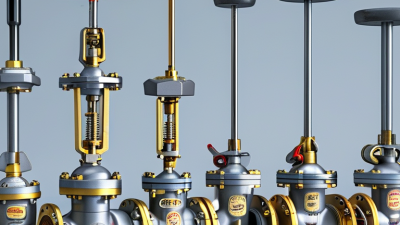
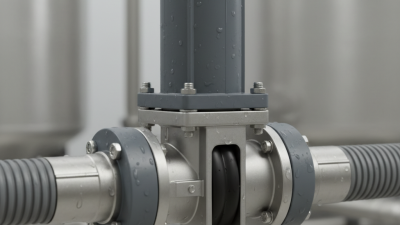
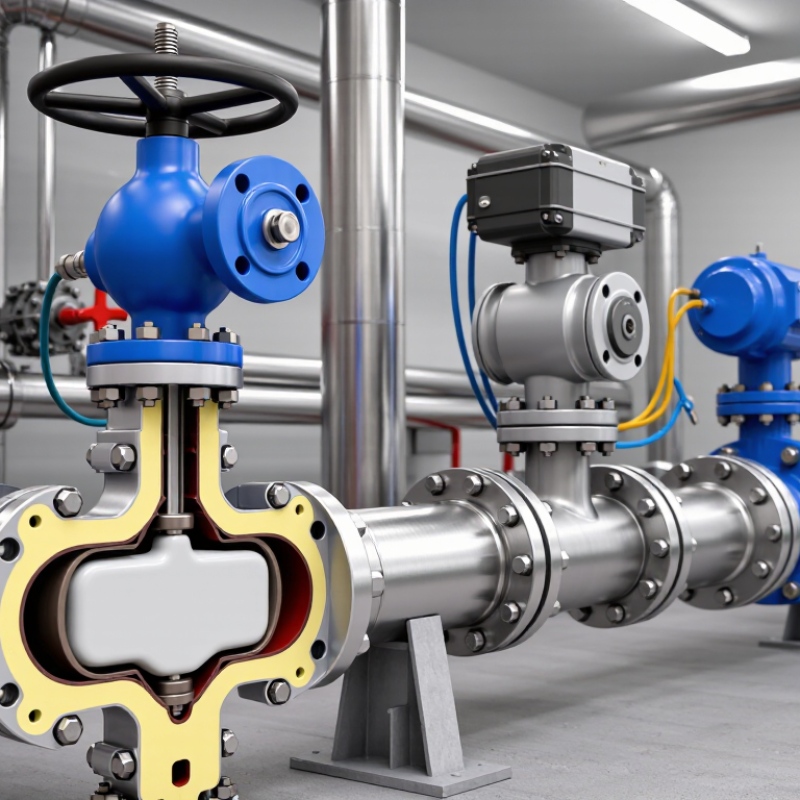
A diaphragm valve controls fluid flow with a flexible membrane. The membrane moves against a raised weir or seat inside the valve body. When it presses down, flow stops. When it lifts, fluid passes through the open channel. This design keeps the actuator separate from the process fluid. That seal matters. It reduces contamination risks and protects internal operating parts. Manual handwheels suit simple lines, while pneumatic actuators support frequent or remote control. In field inspections, leakage often begins with incorrect diaphragm compression or unsuitable material.

Diaphragm valves handle many clean, corrosive, viscous, and slightly abrasive fluids. However, sharp solid particles may damage the membrane. The diaphragm material must match the fluid, temperature, pressure, and cleaning method. Rubber-like materials may suit mild service, while engineered polymers can tolerate harsher conditions. Always check actual operating data. Catalog limits alone can mislead.

Do not size a valve from pipe diameter alone. A larger valve may reduce pressure loss but deliver poor control at low flow. A smaller valve may create excessive velocity and wear. Consider the required flow range, pressure drop, connection type, actuation speed, and maintenance access. The tempting shortcut is choosing the same size as nearby piping. It often works poorly. Even experienced teams can overlook vacuum conditions, cycling frequency, or trapped fluid around the diaphragm. Leave room for inspection. A practical selection should balance control accuracy, service life, cleaning needs, and the cost of replacing the diaphragm.

Identify the Fluid, Pressure, Temperature, and Flow Requirements

How to Choose the Right Diaphragm Valve?

Identify the Fluid, Pressure, Temperature, and Flow Requirements

Start by describing the fluid accurately, not simply as “water” or “chemical.” Record its concentration, viscosity, solids content, and any abrasive or corrosive behavior. The diaphragm material must tolerate continuous contact without swelling, cracking, or losing flexibility. Check cleaning agents too. They are often overlooked. In hygienic systems, surface finish and drainability may matter as much as chemical resistance.

Measure operating and maximum pressure separately. Include vacuum conditions, pressure surges, and frequent cycling. A valve rated for normal pressure may fail during startup. Temperature needs the same care. Record the minimum, maximum, and exposure duration, especially near steam, hot fluids, or rapid temperature changes. Small errors matter. Review the valve body, diaphragm, and actuator ratings together, because one weak component limits the whole assembly.

Flow requirements should include normal, minimum, and peak flow rates. Compare the required flow coefficient with the expected pressure drop, rather than choosing by pipe size alone. A large valve can reduce control accuracy at low flow. A small valve may create excessive loss. Measure it carefully. Consider throttling frequency, shutoff performance, installation direction, and maintenance access. Keep records of actual operating conditions, then verify them against technical data and relevant testing requirements. Do not guess. A short trial with the real fluid can reveal compatibility problems that calculations miss.

Compare Diaphragm Materials and Valve Body Construction

How to Choose the Right Diaphragm Valve?

Diaphragm material often determines service life more than the actuator does. PTFE handles many corrosive chemicals, but repeated flexing can shorten its life. EPDM suits water, dilute acids, and many cleaning solutions. FKM performs well with oils and hydrocarbons, though it is weaker against some polar chemicals. Natural rubber remains useful for abrasive slurries. It can fail quickly in hot chemical service. According to the 2024 MarketsandMarkets Industrial Valves Market report, demand is driven by water treatment, chemicals, and energy projects. That trend makes material selection less forgiving.

The valve body needs equal attention. A lined metal body offers strength under pressure and chemical protection, while polypropylene or PVC reduces weight and may lower installation costs. Weir-style bodies protect the diaphragm and manage abrasive media. Straight-through bodies create less flow resistance and suit fluids containing solids. Check the pressure-temperature curve, not only the catalog headline. ASME B16.34 and ISO 15848-1 provide useful references for pressure ratings and emissions testing, although neither replaces application-specific validation.

In field inspections, the most common mistake is matching the diaphragm to the fluid while ignoring the body lining. Temperature cycles, vacuum conditions, cleaning agents, and shutoff frequency all matter. Published market estimates vary, so they should guide planning rather than replace test data. A small pilot test can reveal swelling, permeation, or unexpected torque before a full installation. Record the actual fluid concentration and temperature. Memory is unreliable.

How to Choose the Right Diaphragm Valve?

Compare diaphragm materials and valve body construction by their typical upper continuous service temperature. Use these values as an initial screening guide; actual limits depend on pressure, chemical concentration, cycling frequency, and the complete valve design.

PTFE and FKM diaphragms are commonly selected for higher-temperature or chemically demanding services, while EPDM is widely used for water, steam, and many polar chemicals. Natural rubber offers good flexibility and abrasion resistance at moderate temperatures. For valve bodies, PVC and polypropylene suit many corrosive fluids at lower temperatures, whereas lined carbon steel and stainless steel provide greater mechanical strength and broader temperature capability.

Select the Best Valve Design, Size, and Actuation Method

How to Choose the Right Diaphragm Valve?

Choosing a diaphragm valve starts with the fluid, not the pipe connection. Check its temperature, pressure, viscosity, and chemical compatibility. A weir design suits many clean and mildly abrasive services. A straight-through design may reduce flow resistance and handle thicker media better. However, neither design works everywhere.

Size the valve for the required flow rate, not simply the existing pipe diameter. An oversized valve can reduce control accuracy and cause unstable operation. An undersized valve may create excessive pressure loss. Review the valve’s pressure-temperature chart carefully. Small details matter. Measure the available installation space, including actuator clearance and diaphragm replacement access.

Tips: Select manual actuation for simple, low-cycle isolation. Choose pneumatic actuation for fast, repeated operation or emergency positioning. Electric actuation can suit locations without instrument air, but confirm response time and environmental protection. Define the failure position before ordering. Is closed safer, or is open safer? That decision depends on the process. In practice, teams sometimes choose the actuator first and regret it later. A better approach is to compare cycle frequency, control signals, maintenance skills, and available utilities. Ask for verified flow data and test certificates when process reliability is critical. Perfect selection is uncommon; careful review is better.

Check Maintenance Needs, Compatibility, and Total Operating Cost

Choosing the right diaphragm valve requires more than checking the purchase price. In field maintenance, the valve’s service conditions usually determine its real value. Confirm the fluid, temperature, pressure, concentration, and cleaning method before selecting materials. A valve that handles water may fail quickly with abrasive slurry or aggressive chemicals. Check the diaphragm material, body lining, connection standard, and actuator requirements together. Compatibility is a system decision, not a single component choice.

Maintenance needs also affect total operating cost. Look for a design that allows quick diaphragm inspection and replacement without removing nearby piping. Record replacement intervals, leakage observations, and torque settings during service. This information supports safer, more consistent maintenance. However, planned intervals are not perfect. Actual wear can change with pressure cycling, suspended particles, and operator habits. A low-cost valve may become expensive when downtime, spare parts, labor, and disposal are included. Calculate these costs across the expected service life.

Tips: Ask maintenance technicians to review the selection before purchase. Keep one compatible diaphragm and sealing kit available for critical lines. Compare cleaning time, inspection access, energy use, and failure consequences. Do not trust a catalog value alone; request tested performance data for your actual operating range. Small details matter. A simple site trial can expose problems that a specification sheet misses.

Top