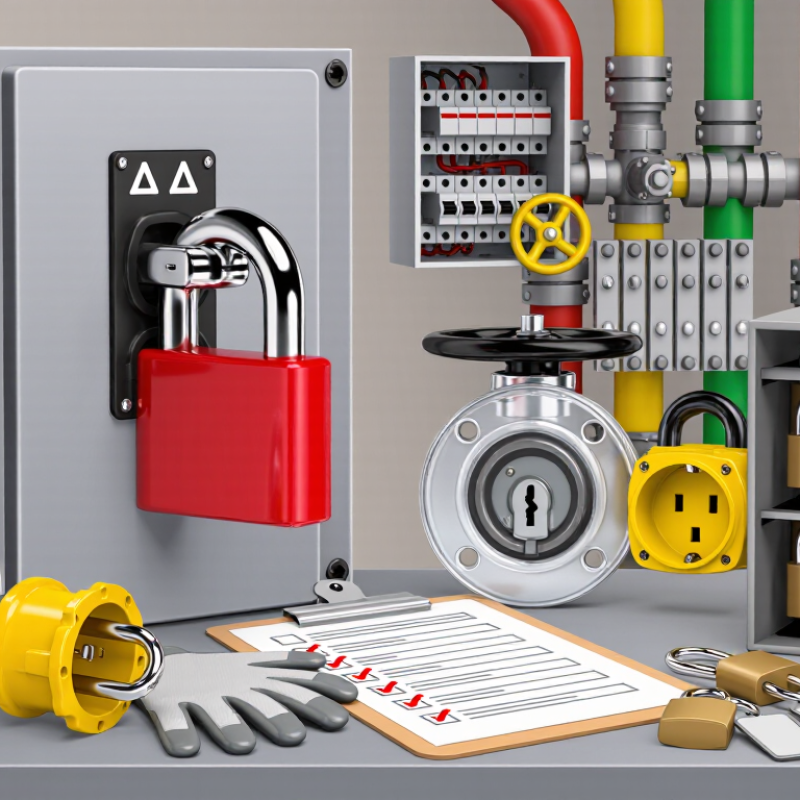
How to Choose the Right Safety Lockout Devices
Establishing Procedures for Use, Inspection, and Storage
A suitable lockout device must fit the energy source and the equipment’s isolation point. A valve cover, breaker lock, and cable device serve different purposes. Match each device to the machinery, then document its application in a clear, equipment-specific procedure.
OSHA estimates that effective lockout/tagout practices prevent about 120 fatalities and 50,000 injuries each year. That estimate underscores why procedures need to work on the shop floor, not just on paper.
Keep instructions near the equipment. Include shutdown steps, energy-isolation points, stored-energy controls, and a method for verifying isolation. Short steps help. So do clear labels.
Train authorized workers to apply and remove devices, and make inspection part of routine use. Check for cracks, worn cables, illegible tags, or locks that no longer secure firmly.
OSHA’s Control of Hazardous Energy standard requires periodic inspections of energy-control procedures, at least annually. Record findings and correct problems promptly.
Storage matters, too. Keep devices clean, dry, and organized in a designated cabinet or board, with damaged items separated from ready-to-use equipment. A missing device can disrupt a job; a poorly stored one may be overlooked.
Procedures are never perfect. Ask workers where steps feel unclear, then revise them when equipment or tasks change.
Source: OSHA, Control of Hazardous Energy (Lockout/Tagout), 29 CFR 1910.147.