How to Source Perfluoromethyl Iodide Safely

Sourcing Perfluoromethyl Iodide safely requires more than finding a low price or a familiar catalog number. This reactive fluorinated compound should come from a supplier with verifiable manufacturing controls, current analytical data, and documented transport experience. Start with identity confirmation. Request the CAS number, purity specification, certificate of analysis, safety data sheet, and cylinder or container details. Check that every document refers to the same material.

Process-safety expert Trevor Kletz wrote, “Organizations have no memory.” That warning matters here. A reliable purchasing record should preserve supplier names, batch numbers, approvals, and inspection dates. Ask where Perfluoromethyl Iodide was produced. Ask how contamination is prevented. Ask what happens if a valve, label, or delivery seal looks damaged. Simple questions can expose weak controls.

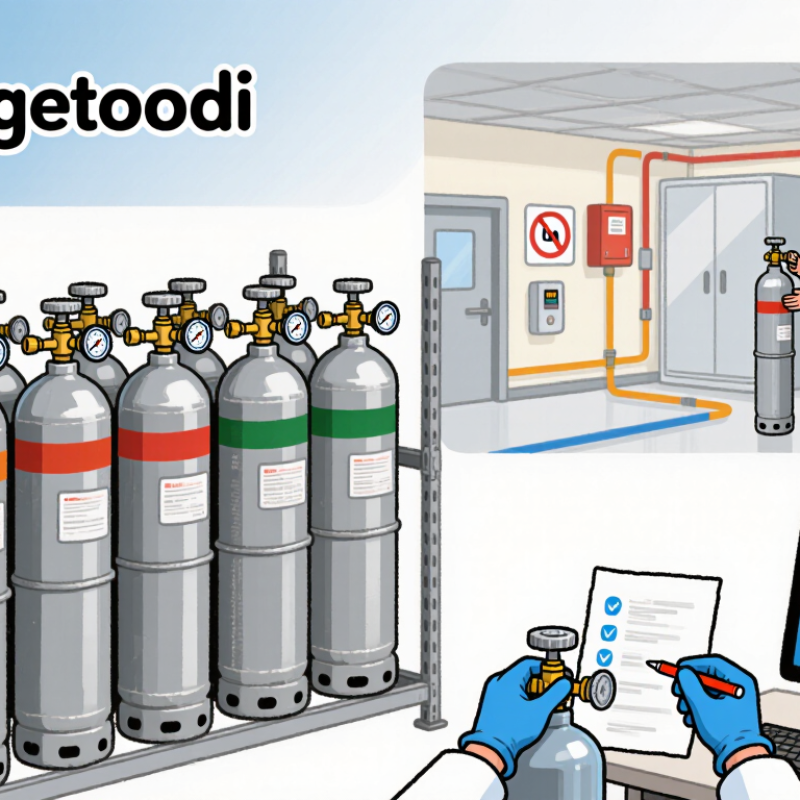
The material may arrive as a liquefied gas under pressure. Plan for that reality. Storage areas should be cool, dry, secure, and clearly marked. Trained personnel should inspect connections before handling. They should also understand local chemical, pressure-vessel, and transportation requirements. Do not rely on an old SDS.

A practical sourcing review includes supplier qualification, independent document checks, approved-carrier confirmation, and an emergency contact who answers after delivery hours. It also includes honest hesitation. Sometimes, the safest decision is delaying purchase until specifications are clear. A glossy website proves little. A traceable batch, responsive technical staff, and consistent documentation prove much more.

This guide explains how to evaluate those safeguards before ordering Perfluoromethyl Iodide. It focuses on responsible procurement, controlled receipt, and risk-aware supplier communication. Safety begins before the container leaves the warehouse.

How to Source Perfluoromethyl Iodide Safely

Define Perfluoromethyl Iodide and Its Primary Uses

Perfluoromethyl iodide, also called trifluoromethyl iodide, has the formula CF3I. It is a colorless, volatile gas with a faint or barely noticeable odor. At ordinary temperatures, it is usually handled in a pressurized container. That detail matters.

Its primary use is as a trifluoromethylating reagent in organic chemistry. Researchers use it to introduce a CF3 group into pharmaceutical, agrochemical, and materials-related molecules. It can also support radical reactions under carefully controlled laboratory conditions. Some advanced studies examine CF3I in plasma etching and specialized fire-suppression systems. These applications require different purity standards and risk assessments.

Safe sourcing begins with a qualified chemical supplier and a current safety data sheet. Confirm the identity, concentration, cylinder specifications, transport classification, and storage requirements before purchase. A trained laboratory should provide ventilation, leak detection, pressure-rated equipment, and emergency procedures. Never rely on a product page alone. That is an easy mistake.

Environmental review is also necessary. CF3I has a relatively short atmospheric lifetime, but its iodine content may create regulatory concerns in certain applications. Requirements vary by location. I would not assume that low global-warming potential means low overall risk. Proper documentation, institutional approval, and professional handling remain essential.

Assess Hazards, Regulations, and Supplier Credentials

How to Source Perfluoromethyl Iodide Safely

Sourcing perfluoromethyl iodide requires more than comparing prices. Its volatility, reactivity, and toxicological uncertainty demand documented controls. Begin with the current Safety Data Sheet, technical specification, and intended-use review. Confirm that your institution can legally possess, store, and use the material in its jurisdiction. Requirements may involve chemical registration, import controls, worker exposure rules, and hazardous-goods transport permits. Ask a qualified safety officer to verify each point.

Tips: Request a recent Certificate of Analysis, batch number, purity, packaging description, and recommended storage temperature. Check whether the container includes tamper evidence and compatible seals. Verify the supplier’s legal entity, manufacturing or distribution address, quality system, and emergency contact. A polished website is not proof. I have found that missing documents often reveal weak controls, although documentation alone cannot guarantee safe handling.

Treat supplier credentials as evidence, not decoration. Look for traceable lot records, clear change-control practices, responsive technical staff, and transport procedures suited to reactive fluorinated materials. Confirm that labels, outer packaging, and shipping papers match the actual substance and quantity. Never accept vague claims such as “research grade” without measurable specifications. Before ordering, prepare a written risk assessment, approved storage location, spill response plan, and trained-user list. Recheck the plan after delivery. Small oversights matter.

Specify Purity, Packaging, Storage, and Documentation Needs

How to Source Perfluoromethyl Iodide Safely

Specify Purity, Packaging, Storage, and Documentation Needs

A safe purchase begins with a use-specific specification, not a generic purity claim. Request assay, water content, acidity, non-volatile residue, and a chromatogram. Define acceptable limits before requesting quotations. For sensitive reactions, independent lot testing may be worthwhile. A certificate of analysis should show the method, result, lot number, and test date. Small gaps matter.

Packaging needs equal attention. Perfluoromethyl iodide should arrive in a compatible, pressure-rated container with a protected valve, secure closure, and visible tamper evidence. Ask the supplier to confirm container material compatibility and fill quantity. Require suitable secondary containment during internal movement. The UN Model Regulations on the Transport of Dangerous Goods, 23rd revised edition, stress accurate classification, marking, and transport documentation for hazardous materials. Local rules still control.

Store the material in a cool, dry, well-ventilated area, away from heat, moisture, and incompatible chemicals. Keep cylinders upright and restrained. Limit access, record opening dates, and inspect valves before use. Documentation should include the current SDS, CoA, lot traceability, origin, transport classification, emergency contact, and change-notification policy. UNEP’s Global Chemicals Outlook II projects global chemical production could double by 2030 from 2017 levels, increasing the need for disciplined supply-chain controls. A polished document package can still hide weak data. I would verify critical claims independently.

Compare Qualified Sources and Verify Product Authenticity

How to Source Perfluoromethyl Iodide Safely

Qualified sourcing begins with comparing evidence, not attractive pricing. Look for suppliers with documented experience handling reactive, temperature-sensitive chemicals. Review their quality systems, storage controls, and shipment procedures. A reliable source should provide a current safety data sheet and a lot-specific certificate of analysis. The certificate should identify purity, testing methods, production date, and lot number. Ask how the material is packaged and monitored during transport. Small details matter.

Do not rely on a website alone. Request company registration details, technical contact information, and clear delivery terms. Compare direct producers with established distributors, but judge both by traceability. Confirm that the supplier can explain storage conditions without vague language. Check whether the container label matches the paperwork exactly. Lot numbers must agree. Seals should be intact. Never accept an unmarked or relabeled container.

Authenticity requires independent verification when the risk or purchase value justifies it. A qualified laboratory can review the sample using appropriate analytical methods, such as nuclear magnetic resonance or gas chromatography. Compare the results with the stated specification, not just the reported purity. A certificate can be copied. I have seen documentation look complete while one date did not match the shipment. That mistake was avoidable. Keep procurement records, inspection photographs, and communication logs. Handle the material only through trained personnel, approved facilities, and applicable legal procedures.

How to Source Perfluoromethyl Iodide Safely - Compare Qualified Sources and Verify Product Authenticity

Source Type Qualification Evidence to Request Authenticity Verification Typical Supply Format Key Advantages Main Risk Controls
Specialty fluorochemical manufacturer Current SDS; batch-specific certificate of analysis; manufacturing or filling-site details; documented quality system; transport classification. Confirm CAS No. 2314-97-8, formula CF3I, lot number, net mass, and test date against the sealed container and original documents. Small cylinders or pressure-rated containers; often supplied as a liquefied gas under pressure. Best technical traceability and the strongest option for repeat or regulated procurement. Use approved dangerous-goods logistics, temperature-controlled storage where required, and trained receiving personnel.
Qualified laboratory-gas distributor Supplier authorization or traceability statement; current SDS; certificate of analysis; cylinder inspection and filling records. Check tamper evidence, valve configuration, cylinder markings, lot identity, and consistency between the distributor certificate and manufacturer documentation. Returnable or non-returnable gas cylinders, subject to local pressure-vessel requirements. May provide local inventory, technical support, and compliant delivery arrangements. Do not accept relabeled containers without a verifiable chain of custody and batch-specific test results.
Research-chemical supplier with documented sourcing Written source declaration; lot-specific analytical data; impurity profile; storage history; export and import compliance documentation. Request independent confirmation of identity by GC, NMR, or another suitable validated method before use in critical work. Small cylinders or specialty containers; availability may be limited. Useful for laboratory-scale requirements and method-development quantities. Avoid listings that provide only a product name and nominal purity without a lot number, SDS, or analytical report.
Broker or marketplace listing Legal entity verification, physical address, original source documentation, written warranty of identity, and dangerous-goods shipping capability. Require pre-shipment document review, photographs of labels and seals, and third-party identity testing on receipt. Variable; container type, fill quantity, and cylinder history must be confirmed before purchase. May locate difficult-to-source material or compare availability across regions. Highest documentation and substitution risk; do not rely on photographs, reviews, or a stated purity alone.
Internal transfer or previously opened stock Complete inventory record; original certificate; opening date; storage conditions; remaining quantity; responsible custodian. Inspect label legibility, valve condition, pressure-vessel markings, and identity documentation; retest if the material history is incomplete. Existing cylinder or pressure-rated vessel. Can reduce lead time when provenance and storage history are fully documented. Quarantine any container with an unknown origin, damaged valve, missing label, or uncertain exposure history.

Product Identity and Acceptance Checks

Verification Item Acceptance Criterion Why It Matters
Chemical identity Perfluoromethyl iodide; formula CF3I; CAS No. 2314-97-8. Prevents substitution with other fluorinated or iodinated compounds that may have different hazards and performance.
Physical description Colorless gas at ambient conditions; commonly handled as a liquefied gas under pressure. Supports correct equipment selection, leak prevention, ventilation, and storage planning.
Documentation match Product name, CAS number, lot number, quantity, purity, container identification, and SDS revision are consistent across all records. A documentation mismatch is a practical warning sign for mislabeling or broken traceability.
Container condition No corrosion, impact damage, leaking valve, missing cap, illegible label, or overdue required inspection. Pressurized containers can present serious mechanical and exposure hazards even when the chemical identity is correct.
Analytical confirmation Use a suitable validated laboratory method when the application is critical or the provenance is incomplete. Independent testing provides stronger assurance than a label or supplier statement alone.
Safety documentation Current SDS and applicable dangerous-goods transport information are available before shipment. Enables hazard assessment, emergency planning, compliant shipping, and proper training.
Safety note: Perfluoromethyl iodide is a pressurized, liquefied gas. Purchase and handling should be conducted only by trained personnel using a current SDS, suitable pressure-rated equipment, effective ventilation, leak-control procedures, and locally compliant dangerous-goods practices.

Plan Safe Receiving, Handling, Transport, and Disposal

How to Source Perfluoromethyl Iodide Safely

Safe sourcing begins before an order is placed. Select a qualified supplier that provides a current safety data sheet, certificate of analysis, and clear packaging information. Confirm the material’s concentration, physical form, cylinder type, and required storage temperature. Your institution’s safety officer should review the purchase before approval. Keep the planned quantity as small as practical.

Receiving requires a calm, controlled process. Trained staff should inspect the outer package for dents, corrosion, leaks, or unusual odors. Do not open damaged containers in a routine work area. Move acceptable packages into a ventilated storage location with secondary containment. Record the lot number and receipt date. Store containers upright and secure them against falling. Keep ignition sources and incompatible chemicals away.

Handling should occur in a suitable fume hood or approved ventilated enclosure. Wear chemical-resistant gloves, protective eyewear, and a fastened lab coat. Use equipment rated for the material and check connections before use. Transport cylinders with a secured cart, never by hand or in a passenger elevator. Waste planning must happen before the first experiment. Contact your environmental health and safety team or an authorized hazardous-waste contractor for disposal. Never vent, pour, or mix this material with unapproved waste. A checklist helps, but it is not infallible. Review near-misses, update training, and pause whenever conditions change.

Article Source:

Top