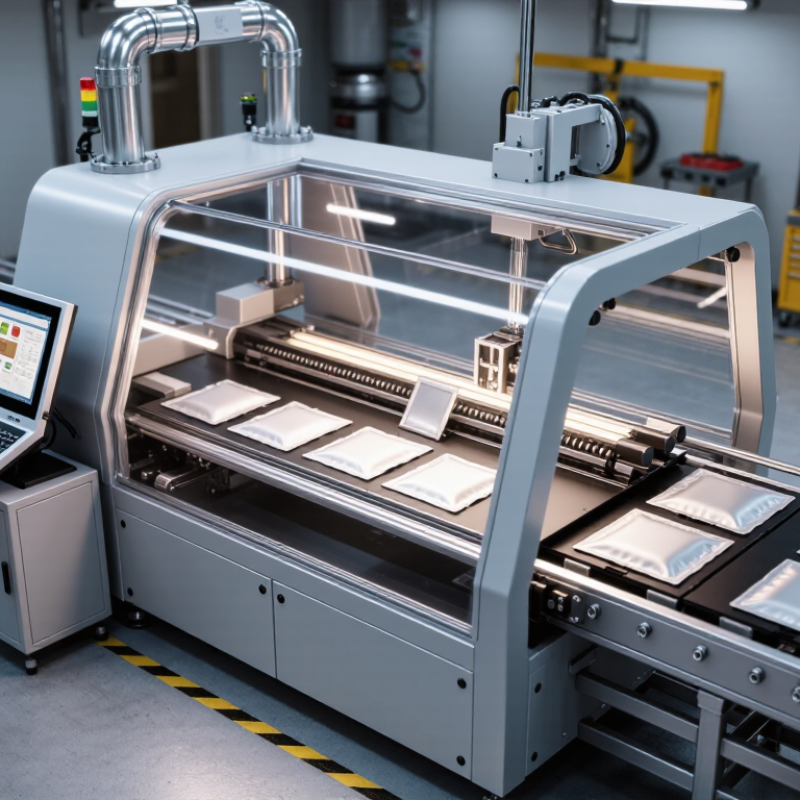
Leading manufacturers of pouch cell trimming machines combine mechanical precision with practical process knowledge. They design servo-driven cutting systems for stable edge quality and repeatable dimensions. Fine adjustment matters when aluminum laminate layers vary slightly. It prevents torn edges, burrs, and unnecessary material loss.
Experienced suppliers usually support vision inspection, dust extraction, and programmable recipes. These features help operators control pouch length, seal margins, and cutting pressure. Reliable machines also record production data for traceability and maintenance planning. A strong manufacturer tests tooling with real cell materials, not only standard samples. This detail often separates laboratory performance from factory performance.
Pouch cell trimming machines serve electric vehicles, consumer electronics, and stationary energy storage. They can process prototypes, pilot batches, and higher-volume production lines. Custom fixtures support different cell sizes and forming methods. Integration with sealing, testing, and material handling equipment can reduce manual transfers. The process is rarely flawless. Film tension, tool wear, and alignment errors still require attention. A specification sheet may hide these practical weaknesses. Manufacturers should provide training, validation support, and clear replacement procedures. Operators need simple adjustments, visible safety controls, and fast access to critical components. Continuous feedback from production teams remains essential, because the best machine on paper may need refinement on the factory floor.