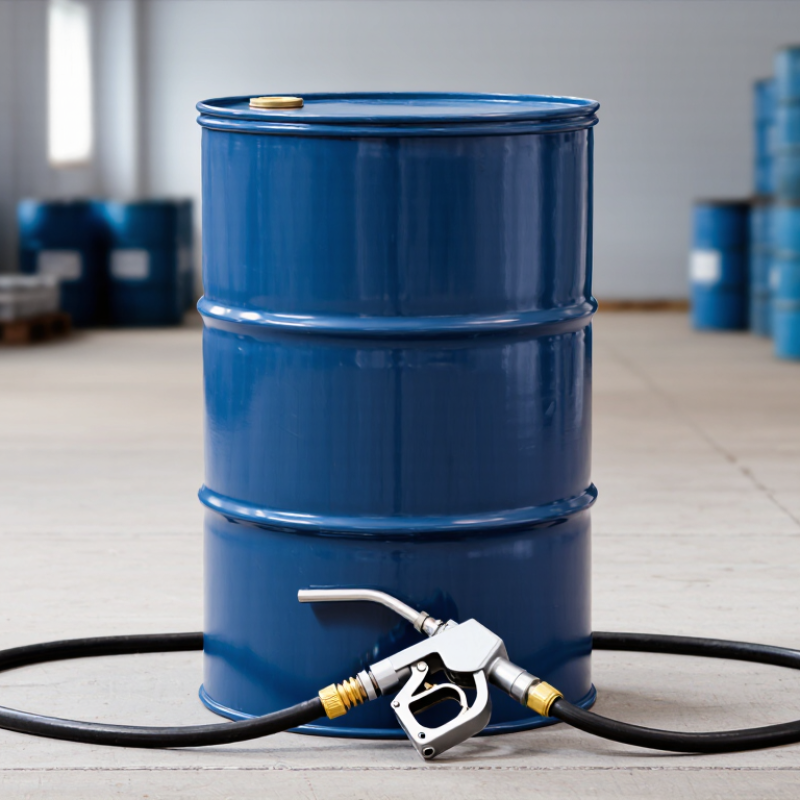
| Drum Body | Carbon steel, stainless steel, or high-density polyethylene (HDPE) | Provides the main container for storing and transporting liquid fuel or oil. | Carbon steel offers strength; stainless steel provides higher corrosion resistance; HDPE is lightweight and resistant to many chemicals. | Inspect regularly for dents, cracks, corrosion, swelling, or chemical degradation. |
| Common Capacity | Approximately 20 to 220 litres, depending on the application and local regulations | Determines the volume of fuel that can be stored in one container. | A nominal 200-litre drum is commonly used for industrial liquid storage, while smaller drums are easier to handle manually. | Never exceed the marked working capacity; allow expansion space when storing temperature-sensitive liquids. |
| Top Closure | Removable cover or tight-head top with threaded openings | Seals the drum and allows filling, dispensing, inspection, or cleaning. | Open-head designs suit solid or viscous materials; tight-head designs are generally used for liquids. | Keep closures clean and fully tightened to reduce leakage and contamination. |
| Bung or Filler Cap | Steel, stainless steel, aluminum, or engineered plastic with a threaded design | Provides a controlled opening for filling and dispensing fuel. | Cap size and thread type must match the drum and any pump, hose, or adapter. | Check the gasket and threads for damage before use; replace worn sealing components. |
| Gasket or Seal | Nitrile rubber, fluorocarbon elastomer, EPDM, or other fuel-compatible elastomers | Creates a leak-resistant seal between the cap, bung, and drum opening. | Material compatibility depends on the fuel composition, temperature, and exposure time. | Replace seals that are hardened, cracked, swollen, flattened, or chemically damaged. |
| Internal Lining | Epoxy, phenolic coating, polymer lining, or no lining for compatible contents | Separates the stored fuel from the drum wall and helps reduce corrosion or contamination. | Some fuels and additives may require a lining specifically rated for chemical compatibility. | Do not use a drum if the lining is blistered, peeling, flaking, or visibly contaminated. |
| Exterior Coating | Paint, powder coating, galvanized finish, or corrosion-resistant treatment | Protects the outer surface from moisture, oxidation, abrasion, and handling damage. | Coating selection depends on indoor or outdoor storage conditions and exposure to salt or chemicals. | Touch up damaged areas only with a compatible coating after cleaning and drying the surface. |
| Bottom Chime | Formed steel or reinforced polymer edge around the drum base | Strengthens the bottom rim and helps protect the body during movement and stacking. | A sound chime helps maintain stability and reduces the risk of impact damage. | Do not use drums with severely crushed rims, unstable bases, or sharp deformations. |
| Rolling Rings | Reinforced steel rings formed into or attached around the drum body | Increase structural rigidity and protect the cylindrical wall during handling. | Rings also help the drum roll in a controlled manner when appropriate handling equipment is used. | Use approved drum-handling equipment rather than dragging or dropping the drum. |
| Vent or Pressure-Relief Feature | Vent cap, pressure-relief bung, or compatible vented closure | Helps manage pressure changes caused by temperature variation or liquid movement. | Vent requirements vary with the fuel type, storage method, and applicable safety rules. | Never block a required vent; keep it clean and follow the container manufacturer’s instructions. |
| Dispensing Equipment | Manual rotary pump, lever pump, siphon, or electrically driven pump rated for the fuel | Transfers fuel from the drum to machinery, tanks, or approved containers. | Pump materials, seals, electrical classification, and flow rate must be compatible with the fuel. | Bonding and grounding may be necessary when dispensing flammable liquids to control static electricity. |
| Pallet or Drum Cradle | Steel, molded polymer, or spill-containment pallet | Supports the drum and helps contain leaks during storage or dispensing. | Load capacity, compatibility, and spill-volume requirements should match the number and size of drums. | Keep the support level and inspect the containment area for accumulated liquid or debris. |
| Typical Storage Position | Upright, stable, and protected from direct heat, ignition sources, and physical impact | Reduces the likelihood of leakage, tipping, pressure buildup, and accidental damage. | Outdoor storage may require weather protection, secondary containment, and additional separation distances. | Follow local fire, environmental, workplace, and hazardous-material storage requirements. |
| Operating Principle | Sealed containment combined with controlled filling, venting, and dispensing | Stores fuel while limiting evaporation, contamination, leakage, and uncontrolled release. | The drum itself provides containment; caps, seals, vents, pumps, and handling equipment support safe operation. | Use only containers that are approved and clearly identified for the specific fuel being stored. |