Si-TPV: An Integrated Solution Starting from Molecular Structure
The innovation of Si-TPV originates from its unique "sea-island" phase morphology—a structure that fundamentally underpins its comprehensive advantages over traditional materials, making it particularly suited for the demanding requirements of domestic service robots:
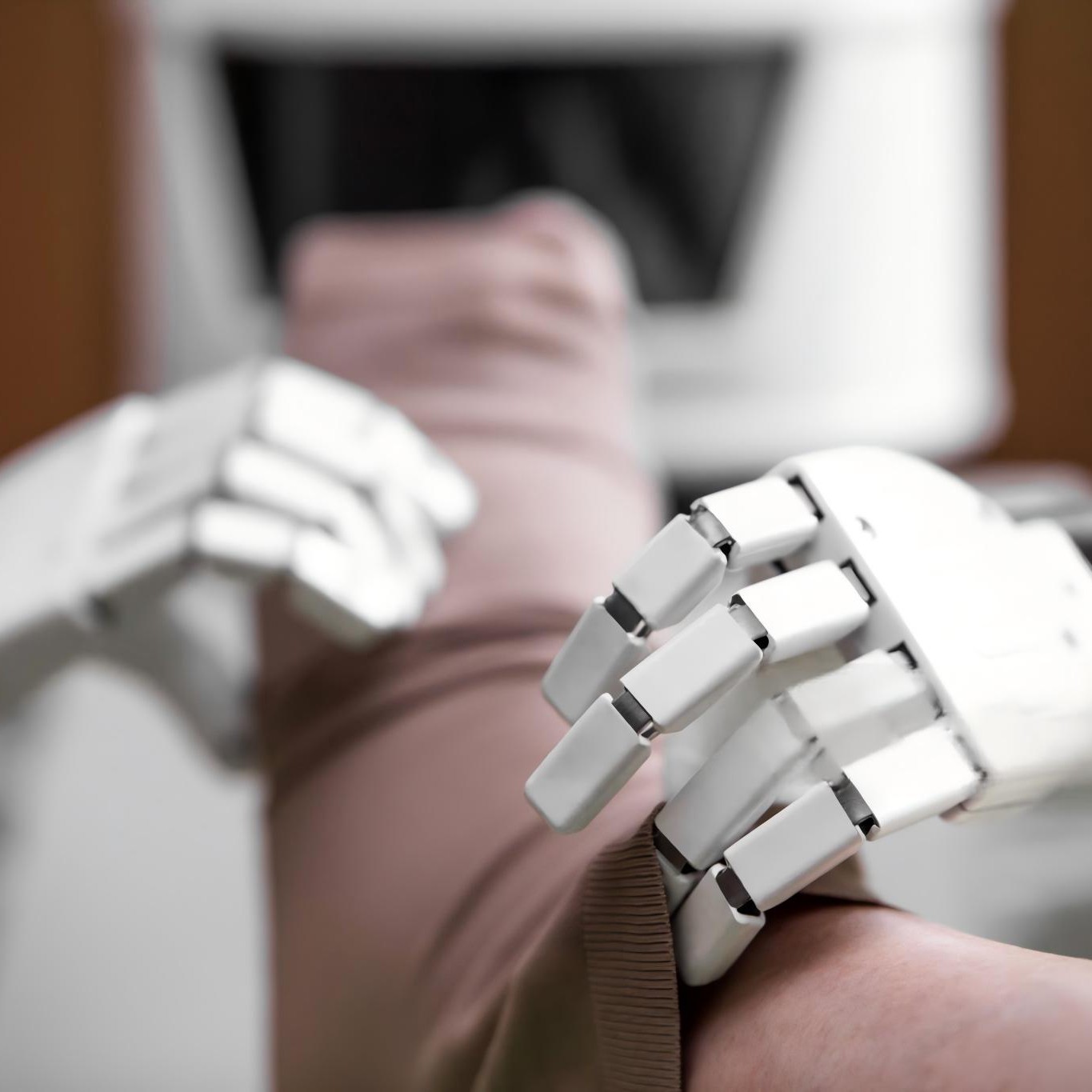
Inherently Excellent Tactility and Safety from Silicone: Si-TPV inherits the skin-friendly and naturally dry-surface characteristics of silicone. When used for robot housings, handshake areas, or skin-contact components, it delivers a consistently soft, skin-like feel that resists stickiness and dust attraction, significantly enhancing interactive comfort and premium perception.
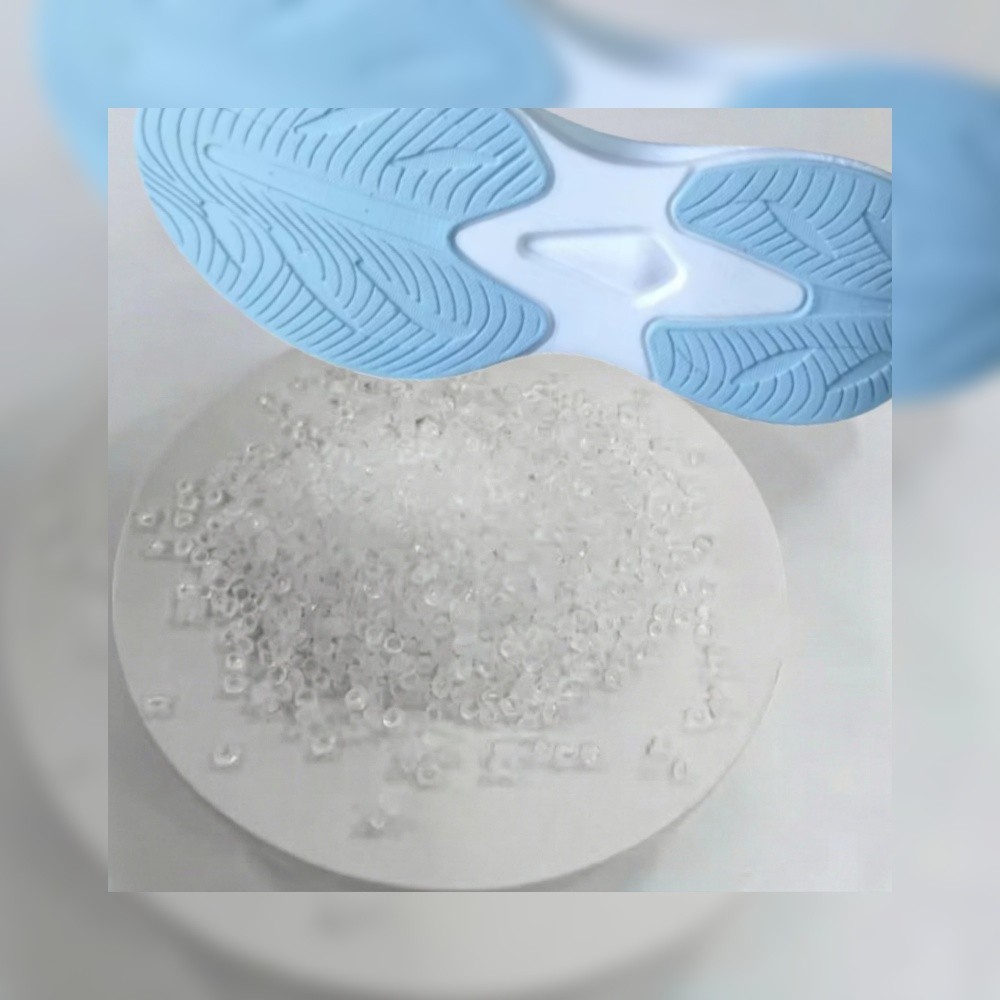
Revolutionary Wet Slip Resistance and Stability: The silicone-rich phase, consisting of microscale silicone elastomer domains in the sea–island structure, provides a naturally dry and non-tacky surface, low surface energy, and stable interfacial characteristics. As a result, Si-TPV exhibits more consistent friction behavior in wet or humid conditions. When combined with appropriate surface texture design, Si-TPV can improve traction reliability on smooth floors, contributing to safer and more stable operation of domestic service robots in kitchens, bathrooms, and similar environments.
Superior Stain Resistance and Long-lasting Appearance: The material's dense surface offers excellent resistance to common stains (e.g., grease, juice) and allows for easy cleaning. Its UV resistance and scratch resistance ensure the robot's appearance resists yellowing and wear over time, maintaining a "like-new" look and performance that upholds brand quality.
No Migration Risk with Eco-friendly Recyclability: As a fully thermoplastic material, Si-TPV eliminates concerns over plasticizer or small-molecule migration during processing or use, preventing environmental contamination or user allergy risks. Additionally, sprues and end-of-life parts can be directly recycled, aligning with the growing sustainability focus in robotics.
Unmatched Processing and Design Freedom: Si-TPV allows for direct injection molding of complex parts with high production efficiency. More importantly, it exhibits broad overmolding compatibility, forming strong physical bonds with various engineering plastics—both polar (e.g., PC, ABS, PA) and non-polar (e.g., PP, PE). This grants designers the freedom to create "rigid skeleton + soft-touch surface" composites, integrating multiple functions and experiences into a single part, thereby simplifying assembly and reducing overall costs.