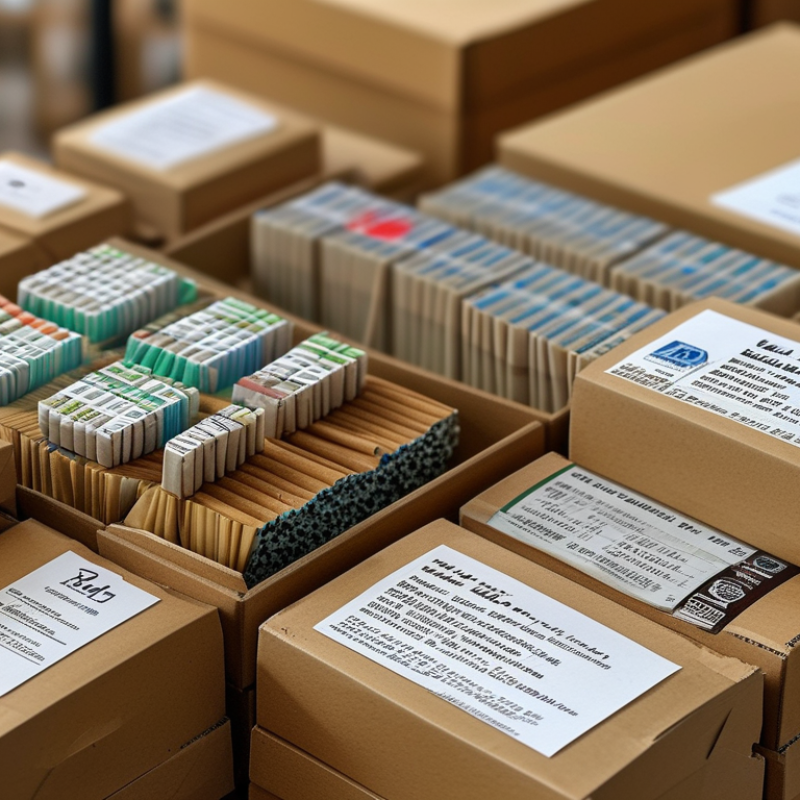
Global buyers should treat 40k-puff listings as a compliance project, not a simple wholesale purchase. The UNCTAD Review of Maritime Transport 2023 reports that over 80% of global merchandise trade moves by sea. Therefore, suppliers should provide accurate invoices, packing lists, HS classifications, and transport documents. Ask for batch-level laboratory reports, ingredient disclosures, battery specifications, and proof of age-control procedures. Paperwork matters. A low price means little if customs cannot verify the shipment.
Market rules differ sharply. In the European Union, Directive 2014/40/EU limits nicotine liquid to 20 mg/ml, containers to 10 ml, and cartridges or tanks to 2 ml. A high-capacity device may therefore require redesign or may be unsuitable for sale. The United Kingdom prohibited single-use vapes from 1 June 2025, making reusable formats and local registration checks essential. Australia applies strict therapeutic-goods and import controls, while the United States requires premarket authorization for new tobacco products under FDA rules. Requirements can change.
The WHO Report on the Global Tobacco Epidemic 2023 shows that governments continue expanding tobacco and nicotine regulation worldwide. Buyers should verify destination rules with customs brokers and official regulators before payment. Supplier certificates alone are not enough. I have seen documents list different nicotine strengths for the same batch; that small mismatch can trigger detention, testing, or destruction. Build a market-by-market checklist, retain records, and confirm labeling, language, recycling, and tax obligations before booking freight.