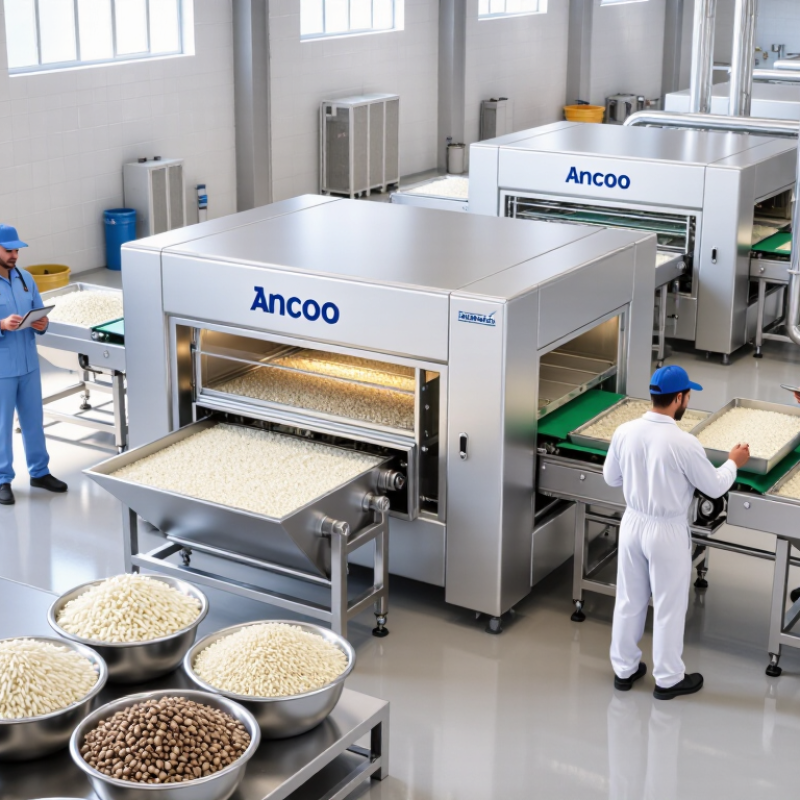
A reliable rice color sorter should detect more than obvious dark grains. It needs to identify yellow, red, black, and mold-stained kernels under consistent lighting. These defects can signal poor drying, aging, or contamination. Small color differences matter.
Kernel shape and size also deserve attention. The sorter should separate broken grains, immature grains, chalky kernels, and slender or misshapen pieces. Uneven grain quality affects cooking texture, appearance, and customer acceptance. Foreign materials, such as stones, husks, and plastic fragments, require careful detection too. Color alone may not be enough.
Ask how the system handles transparent defects and subtle chalkiness.
Ask about camera resolution, lighting stability, air-jet response, and rejection accuracy. In real processing rooms, dust and vibration can reduce performance. Calibration must match the rice variety and moisture condition. One setting may not suit every harvest. That is easy to overlook.
No sorter is perfect. A few acceptable grains may be rejected, especially when quality limits are set aggressively. Operators should compare output samples, defect rates, and recovery results over several production runs. Clear records make the purchase decision more reliable. The best system is not simply the fastest one; it should produce consistent results without hiding losses.