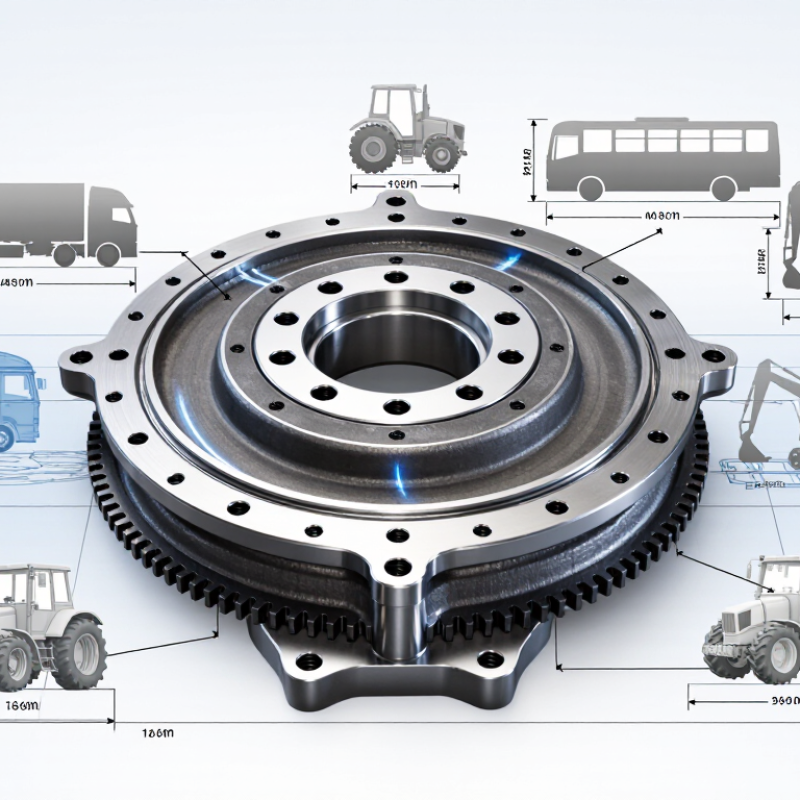
| Material selection | Cast iron and aluminum alloys are commonly used; the choice depends on the vehicle design, load requirements, weight targets, and operating conditions. | Material grade, incoming material documentation, and specified chemical or mechanical properties. | Confirms that the material matches the component specification and intended service conditions. |
| Casting and forming | Sand casting is common for many iron housings. Aluminum housings may be produced using processes such as sand casting or permanent-mold casting, depending on design and production needs. | Part geometry, wall sections, casting condition, and visible surface defects against the approved drawing and inspection plan. | Helps ensure the housing has the required shape and provides a sound base for machining. |
| Cleaning and casting inspection | Castings are cleaned and prepared before machining. Inspection methods can include visual checks and, where specified, suitable non-destructive testing. | Surface condition and specified casting features; the inspection method and acceptance criteria are set by the part specification. | Identifies relevant casting defects before further processing or assembly. |
| Precision machining | CNC machining is commonly used for mounting faces, locating features, bolt holes, and other interfaces. | Critical dimensions, hole positions, face flatness, and alignment features are measured against the engineering drawing. | Accurate interfaces help the housing mate correctly with the engine and transmission assembly. |
| Dimensional inspection | Coordinate measuring machines, gauges, and other suitable calibrated measuring equipment may be used, depending on the feature and inspection plan. | Recorded measurements for designated critical-to-quality dimensions and features. | Provides evidence that machined components conform to drawing requirements. |
| Surface and cleanliness checks | Machined surfaces are checked for specified finish and cleanliness; deburring and washing may be included in the production route. | Burrs, chips, contamination, and surface finish where these are controlled by the product specification. | Reduces the risk of assembly interference, contamination, or damage to mating components. |
| Process control | Documented work instructions, equipment maintenance, operator checks, and inspection records are commonly used in controlled production. | Process records, measurement results, nonconformance handling, and traceability as required by the customer or quality system. | Supports repeatable production and helps investigate quality issues. |
| Final release | Finished parts are reviewed against the applicable drawing, purchase requirements, and inspection plan before shipment. | Specified dimensions, appearance, identification, packaging, and required documentation. | Helps ensure that delivered components meet the agreed acceptance requirements and arrive protected. |
| Typical manufacturing practices are shown for general reference. Material grades, production routes, inspection methods, and acceptance limits vary by design, application, and customer specification. |