China Top Permanent Magnet Air Compressor Suppliers
China has become a major manufacturing base for industrial air compressors, including the Permanent Magnet Air Compressor segment. Its suppliers serve factories producing electronics, textiles, food, automotive parts, and metal products. These facilities often run compressors beside CNC machines, filling lines, and automated assembly cells. The practical question is not simply which company sells the lowest-priced unit. It is whether the supplier can deliver stable pressure, verified efficiency, and dependable after-sales support.
Energy performance deserves close attention. The U.S. Department of Energy reports that compressed air can consume about 10% of industrial electricity in many facilities. Its compressed air improvement guidance also identifies leakage, oversized equipment, and poor controls as common sources of waste. Permanent magnet motors may reduce motor losses, especially under variable-load conditions. However, savings depend on duty cycles, inverter settings, cooling design, and maintenance quality. Marketing claims should not replace measured data.
Standards matter.
This guide reviews China’s leading Permanent Magnet Air Compressor suppliers through engineering capability, product certification, manufacturing experience, and service coverage. ISO 1217 provides recognized methods for testing compressor performance, while ISO 50001 supports structured energy management. Buyers should request specific power data, airflow measurements, noise levels, warranty terms, and spare-parts availability. The International Energy Agency also continues to emphasize industrial efficiency as a practical route toward lower energy demand and emissions.
No ranking is universally perfect. A supplier strong in export logistics may not suit a dusty workshop. A compact 37 kW model may outperform a larger machine in one plant, but fail another site’s peak-demand pattern. Careful selection still requires local measurements, technical dialogue, and honest review of operating conditions.
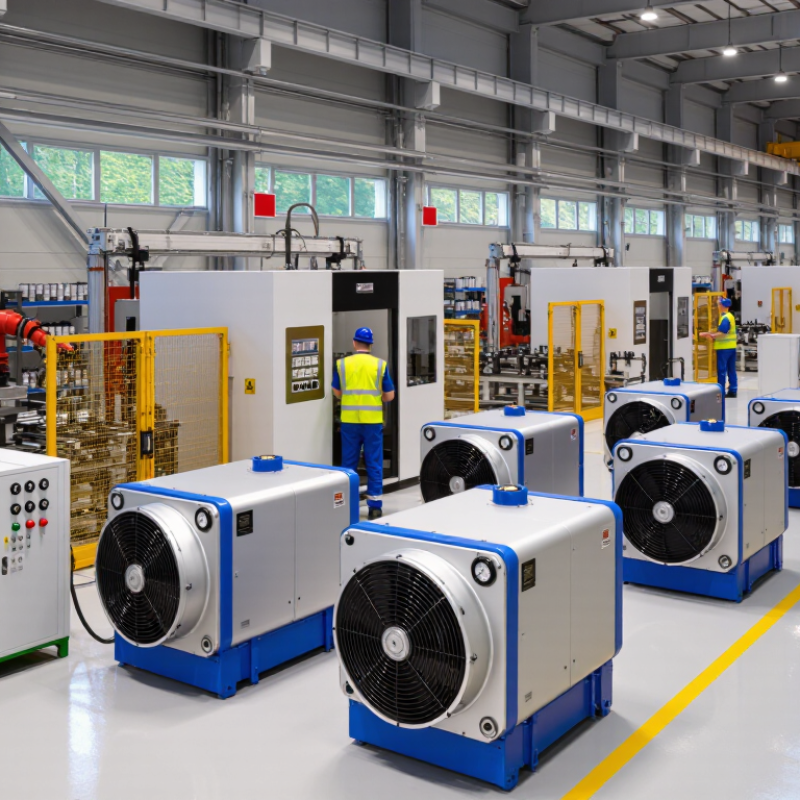
Permanent Magnet Air Compressors: 30–40% Energy Savings and IE4 Efficiency
Permanent magnet air compressors are gaining attention because motor efficiency affects every cubic metre of air produced.
The U.S. Department of Energy reports that compressed-air systems can consume about 10% of industrial electricity. In poorly maintained plants, leaks may waste 20–30% of compressor output. A permanent magnet variable-speed design can reduce these losses at the source.
Industry field assessments often report 30–40% energy savings against conventional fixed-speed systems.
Actual results depend on pressure, duty cycle, controls, and maintenance.
IE4 is not just a marketing label.
IEC 60034-30-1 defines IE4 as a Super Premium Efficiency motor class under standardized conditions. The European Commission’s Ecodesign Regulation 2019/1781 also tightened minimum motor-efficiency requirements for many industrial applications.
Lower rotor losses help compressors respond smoothly when demand falls. That matters in workshops with changing shifts, multiple air tools, and frequent idle periods. Less heat can reduce ventilation loads.
Small detail. Big impact.
A practical evaluation should compare kilowatt-hours per cubic metre, not motor nameplate efficiency alone.
Record discharge pressure, inlet temperature, operating hours, and unloaded time for one production cycle. The DOE recommends fixing leaks and controlling excessive pressure before selecting new equipment.
This can challenge the 30–40% headline. Sometimes, the saving is smaller. Sometimes, poor piping hides it completely.
Buyers should request tested airflow, noise data, service intervals, and documented efficiency curves.
Reliable suppliers should explain test conditions clearly, including partial-load performance, where many compressors spend most of their operating lives.
Working Principles, 7.5–160 kW Ratings, and 0.7–1.3 MPa Pressure
China Top Permanent Magnet Air Compressor Suppliers
Permanent magnet air compressors use a motor with embedded magnets to create torque without rotor excitation losses. An inverter adjusts motor speed as demand changes. The screw element then compresses air through interlocking rotors, while sensors regulate discharge pressure. This design suits factories with fluctuating consumption, though control tuning remains important.
Available ratings commonly range from 7.5 to 160 kW. Smaller 7.5–22 kW units often serve workshops and packaging lines. Larger 75–160 kW systems support centralized production networks. Pressure options from 0.7 to 1.3 MPa cover general pneumatic tools, process air, and higher-pressure applications. Pressure is not free. Every extra bar can increase energy use and leakage losses.
The U.S. Department of Energy’s Improving Compressed Air System Performance guide identifies compressed air as potentially consuming 10–15% of industrial electricity. The International Energy Agency also continues to emphasize motor-system efficiency as a major industrial savings opportunity. Permanent magnet systems can reduce part-load losses, especially when demand varies during shifts. Field results differ. Poor pipe sizing, wet air, and oversized compressors can erase expected savings. A practical supplier comparison should examine specific power, measured flow, noise, service access, and performance at 0.7, 1.0, and 1.3 MPa. Nameplate efficiency alone is insufficient. Test data matters.
Supplier Comparison by Airflow, Oil Injection, Noise, and 10,000-Hour Service
China’s top permanent magnet air compressor suppliers should be compared through operating evidence, not catalog claims. Airflow must match the required pressure, duty cycle, and workshop temperature. A unit rated at 10 m³/min may deliver less under higher pressure. Ask for measured performance at the intended working point.
Oil-injected models often suit factories needing stable cooling and continuous operation. However, oil separation quality affects downstream air cleanliness and filter costs. Review separator replacement intervals, oil carryover data, and maintenance access. Noise also deserves an on-site check. A published level near 68 dB(A) may change inside a reflective compressor room. Stand beside the machine during loading and unloading.
Service history reveals more than a sales promise. Suppliers supporting 10,000-hour operation should provide lubrication schedules, inverter records, fault-response procedures, and technician training details. Confirm which parts remain available after several years. That detail is easy to overlook.
Request references from facilities with similar airflow demands. Independent testing strengthens confidence, especially when comparing efficiency and noise figures. The comparison is not perfect because installation quality changes results. Poor ventilation can raise discharge temperature and shorten service life. A careful buyer should record airflow, oil condition, sound level, and energy use during a real production shift.
Lifecycle Costs: Up to 35% Lower Operating Expenses Over Five Years
China’s top permanent magnet air compressor suppliers increasingly compete on lifecycle value, not purchase price. Their variable-speed systems adjust motor output to match changing factory demand. This can reduce unloading losses during low-production periods.
A five-year cost model may show up to 35% lower operating expenses. The result depends on electricity tariffs, annual running hours, pressure settings, and maintenance quality. For example, a 75 kW compressor operating 8,000 hours yearly can consume substantial electricity. Even a small efficiency gain becomes visible on monthly utility bills. Permanent magnet motors also avoid some transmission losses found in older drive arrangements. Better control can reduce pressure instability across long pipe runs.
The estimate is not automatic. It needs verification.
Ask suppliers for measured efficiency data, service records, and a clear warranty scope. Check performance at partial load, not only at full capacity. Inspect filters, oil separation, cooling airflow, and leakage before comparing quotations. A poorly sized compressor may erase expected savings through frequent cycling. Installation mistakes can do the same. Electricity prices may also change, weakening a forecast. Experienced buyers should calculate energy, spare parts, labor, downtime, and disposal costs together. A practical comparison uses site data from the previous twelve months. It should also include maintenance intervals and response time for local technical support. Some projections look impressive on paper, yet factory conditions remain less predictable. Review the assumptions carefully.