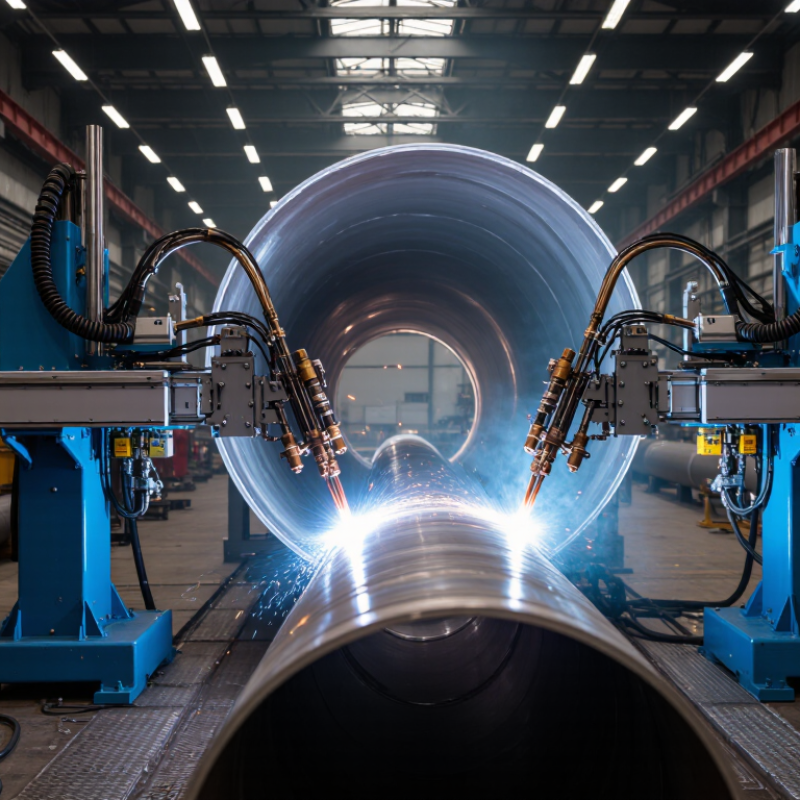
A dual torch pipeline welding machine can improve productivity, but safety must control every purchasing decision. Two torches may create overlapping heat zones and increase operator exposure. Use flame-resistant clothing, welding shields, gloves, and rated eye protection. Keep gas cylinders upright, secured, and separated from ignition sources. Good ventilation matters, especially inside trenches or enclosed work areas. Never trust a quiet regulator.
Before each shift, inspect hoses for cuts, cracked fittings, and loose connections. Check torch tips, cable insulation, grounding clamps, and emergency stops. Remove spatter from nozzles and confirm stable gas flow. A maintenance log should record cleaning, repairs, calibration dates, and operator observations. Small defects become expensive failures. I have seen teams focus on output while overlooking worn clamps.
International buyers should verify voltage, frequency, plug design, gas connections, and operating temperature limits. Request clear manuals, spare-parts lists, test reports, and documented machine specifications. Confirm that the equipment supports local electrical and workplace safety requirements. Certification names differ between markets, so a familiar label may not prove local acceptance. Ask about packaging, moisture protection, customs documents, warranty response, and technician training. Delivery terms also affect insurance and installation responsibility. A low purchase price can hide costly adapters, delayed parts, or unsuitable controls. The better choice is not always the fastest shipment.