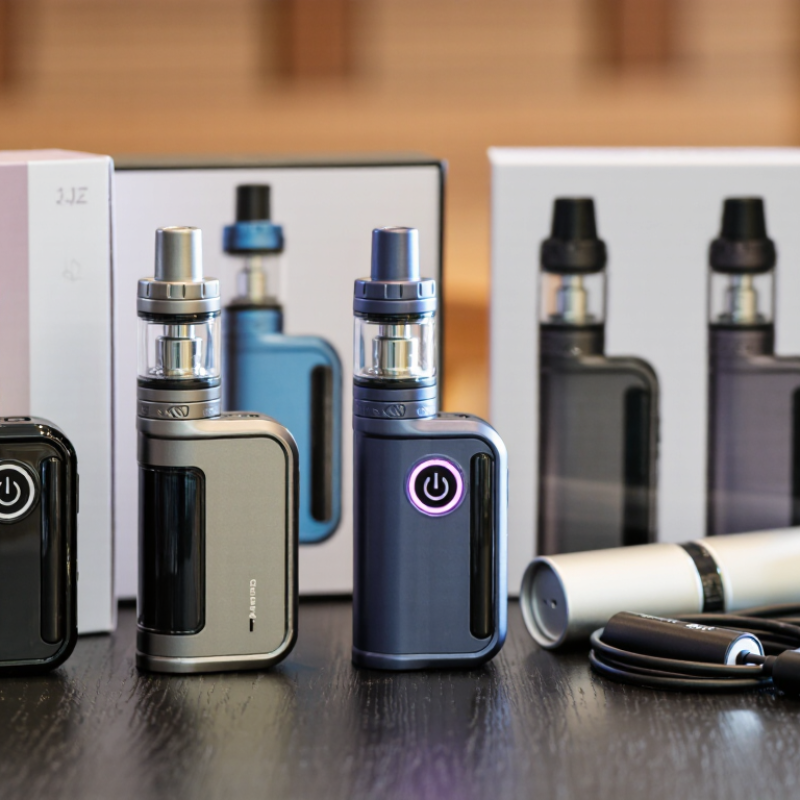
Buyers comparing electronic shisha suppliers should request a written specification before discussing price. Confirm the minimum order quantity (MOQ), including whether it applies per model, color, or packaging configuration. A low MOQ can help test demand, but it may raise unit costs or restrict customization. Ask for a production schedule tied to your forecast, not just a headline monthly capacity figure. Capacity claims matter less if components arrive late or inspection staffing is thin. Request recent output records, sample approval steps, and a named contact for production updates. Good signs are concrete.
Lead times need equal scrutiny. Ask suppliers to separate sample development, component sourcing, assembly, inspection, and shipping preparation. Have them identify dates that depend on your artwork or payment approval. For an initial order, leave room for delays; real schedules rarely behave perfectly. That buffer is useful. It is tempting to treat a polished sample as proof of consistent production, but that assumption deserves a second look.
Quality checks should be measurable. Agree on checks for battery performance, charging consistency, leakage resistance, packaging condition, and batch labeling, where relevant to the product. Set acceptable defect limits and define how failed units are documented and handled. Request test reports that match the exact model and production batch, rather than generic documents. If a supplier cannot explain a test result in plain language, clarify it before placing the order.