Top Water Valve Types for Global Buyers
Choosing the right water valve begins with understanding the system, not the product catalog. Global buyers face different pressures, including water quality, temperature, flow rate, pressure variation, and installation conditions. A valve that performs well in a clean municipal network may struggle in an industrial line filled with sediment.
“Valve selection is a system decision, not merely a component decision,” says Dr. Steven Buchberger, a water-distribution engineering researcher. His observation remains practical for buyers comparing gate, globe, ball, butterfly, check, and pressure-reducing valves.
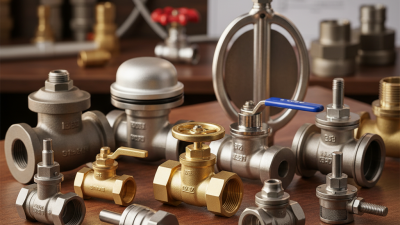
Each type has a distinct purpose. Gate valves support full-flow isolation, while globe valves provide more controlled throttling. Ball valves offer quick shutoff and compact installation. Butterfly valves suit larger pipelines where space and weight matter. Check valves help prevent reverse flow, but they still require correct sizing and orientation.
Small details can change the outcome. A coastal facility may need stronger corrosion resistance. A high-rise building may require pressure control across several floors. A farming system may carry particles that damage delicate sealing surfaces.
There is no perfect valve.
Material compatibility, actuator selection, maintenance access, certification, and supplier support also deserve attention. Buyers should review technical drawings, test data, and installation instructions before approving a purchase. Sometimes, the cheapest valve creates higher costs through leakage, downtime, or frequent replacement.
This guide compares leading water valve types for global buyers. It focuses on function, operating conditions, materials, maintenance, and selection risks. The goal is not to promote one universal answer. Real systems are less tidy than product tables suggest.
Water Valve Basics: Purpose, Structure, and Operating Principles
Top Water Valve Types for Global Buyers
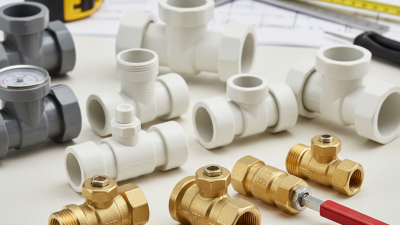
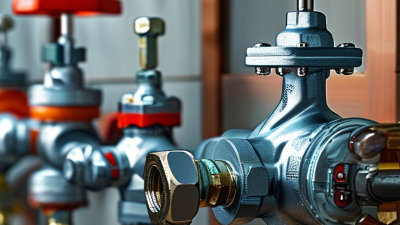
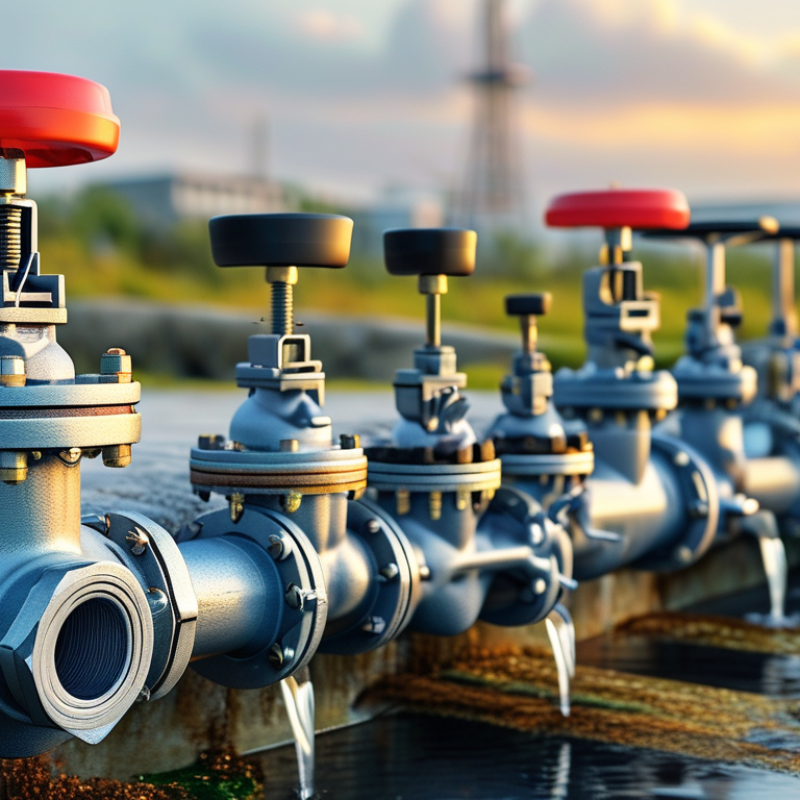
Water valves control, stop, redirect, or regulate water inside piping systems. Their purpose sounds simple, but small selection errors can cause leaks, pressure loss, or difficult maintenance. A valve normally includes a body, seat, closure element, stem, seals, and an actuator or handwheel. Each part must match the water quality, pressure, temperature, and pipe connection.
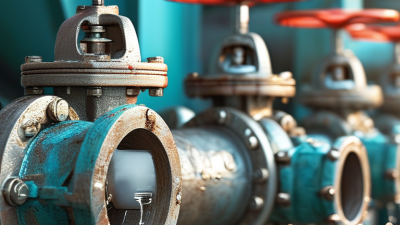
Gate valves use a wedge or slab that moves vertically. They work well for full isolation, but they are not ideal for frequent throttling.
Globe valves guide water through a changing flow path and provide more precise regulation.
Ball valves use a rotating drilled sphere and open or close quickly.
Check valves operate automatically when pressure changes, helping prevent reverse flow.
Butterfly valves use a rotating disc and often suit larger pipelines because their structure is compact.
Operating principles matter during real installation. A fully open gate valve creates limited resistance, while a partly closed one may suffer vibration and seat wear. A ball valve should usually operate fully open or fully closed. Check valves need correct flow direction and enough pressure to close reliably. Field inspection should examine bolt access, seal condition, and actuator clearance. I have seen specifications that listed pressure only, while ignoring water chemistry and temperature. That gap can shorten service life. Material compatibility deserves equal attention. A valve that fits the pipe may still fail in service. Testing, labeling, and maintenance records also support reliable operation across different markets.
Key Factors for Comparing Water Valve Types
Comparing water valve types requires more than checking price or pipe size. Global buyers should match the valve to pressure, flow, temperature, water quality, and maintenance access. Gate valves suit full-open pipelines with low flow resistance. Butterfly valves save space and weight, especially on larger diameters. Globe valves offer finer throttling but usually create greater pressure loss. Check valves prevent reverse flow, yet their closing speed must match the system.
Material selection is equally important. Drinking-water systems need certified components that resist corrosion, biofilm risks, and repeated pressure cycles. ISO 5208 provides leakage-testing guidance, while EN 1074 addresses valves for water supply applications. The 2023 WHO/UNICEF Joint Monitoring Programme reported that 2.2 billion people lacked safely managed drinking water. That figure makes reliability more than a technical preference. It is a public-health concern. Valve sizing should follow measured flow data, not an optimistic estimate. A perfect selection rarely exists.
Tips: Compare pressure ratings using the same test basis. Ask for test certificates, coating details, and spare-part availability. Review local water chemistry before choosing stainless steel, ductile iron, or other materials. The World Bank has estimated that water losses can reach 30–40% in some systems, although conditions vary widely. Poorly sealed valves are not the only cause, but they can worsen the problem. Also inspect actuator access, installation direction, and emergency shutoff time. Small oversights become expensive later.
Common Water Valve Types and Their Best Applications
Water valve selection starts with the job, not the catalog. Gate valves suit fully open or fully closed service in long pipelines. Their straight passage creates little pressure loss. However, they operate slowly and perform poorly during frequent throttling. A visible stem position helps technicians confirm whether the line is open. Butterfly valves use a rotating disc and need less installation space. They work well in cooling water, irrigation, and large-diameter pipes. Check the disc material carefully when water quality varies.
Globe valves provide finer flow control because water changes direction inside the body. They are useful near pumps, heating loops, and equipment requiring steady adjustment. The trade-off is higher pressure loss. Ball valves open with a quarter turn and provide tight shutoff. They fit branch lines, tanks, and maintenance isolation points. Small handles can become difficult to turn outdoors. That detail is often missed.
Check valves prevent reverse flow without manual operation. They protect pumps and reduce backflow risks in many water systems. Swing, lift, and wafer designs respond differently to flow speed and installation angle. Pressure-reducing valves help maintain stable downstream pressure in buildings and distribution networks. Yet sizing by pipe diameter alone can cause noise or unstable control. Review flow rate, pressure range, temperature, connection standards, local water conditions, and service access before ordering. The cheapest valve may become the hardest one to replace.
Global Standards, Maintenance, and Purchasing Considerations
Choosing water valves for global projects requires more than comparing price and diameter. Ball valves suit quick isolation, while gate valves support low-pressure-loss pipelines. Butterfly valves save space in large mains. Check valves help prevent reverse flow. Globe valves offer finer throttling, but they may create greater pressure loss.
Global standards should match the service, not merely the destination. Engineers often review ISO, EN, ASME, or regional requirements for pressure testing, dimensions, materials, and marking. Potable-water systems need approved contact materials and traceable test records. Always confirm the current edition and local acceptance rules. A familiar standard can still be unsuitable for a municipal specification.
Tips: Check the medium, temperature, pressure, connection type, and operating frequency. Inspect seats, stems, bolts, and flange areas during scheduled maintenance. Flush sediment from strainers before blaming the valve. Keep spare seals in a dry, labeled cabinet. Small oversights matter.
From field inspections, corrosion usually appears first around threads, drains, and poorly protected fasteners. Record torque, leakage, and cycle history after servicing. Visual checks alone can miss internal wear. A clean-looking valve may still fail under pressure. Purchasing teams should request material certificates, pressure-test results, dimensional drawings, and replacement-part availability. Delivery cost matters, but downtime may cost more. I have seen low-cost selections become expensive after one unavailable seal delayed repairs. Allow for imperfect forecasts and site conditions.