Top Waterproof Connectors for Global Buyers
Choosing the right waterproof connector can determine whether equipment survives rain, dust, vibration, and repeated maintenance. This matters in solar installations, marine systems, outdoor lighting, agricultural machinery, and industrial controls. A connector may look rugged in a catalog, yet fail after months of heat and water exposure. That gap deserves attention.
This guide to Top Waterproof Connectors for Global Buyers examines practical options from a buyer’s perspective. It considers sealing materials, contact plating, cable compatibility, locking strength, and installation conditions. IP ratings provide useful evidence, but they do not guarantee performance in every environment. Testing methods, cable diameters, and assembly quality also influence the result. Small details matter.
Reliable selection begins with verified specifications and traceable manufacturing information. Look for documented ingress testing, stable supply capacity, clear drawings, and responsive technical support. UL, IEC, CE, or other applicable certifications may support evaluation, depending on the product and destination market. Buyers should still confirm requirements with qualified compliance professionals. Certification alone is not a complete quality judgment.
Field experience often reveals what product sheets omit. A connector installed with wet gloves, poor strain relief, or an uneven cable cut may leak. Even the best design has limits. This guide compares Waterproof Connectors for different climates, industries, and purchasing priorities. It also recognizes an uncomfortable truth: the cheapest option can become expensive after corrosion, downtime, or replacement work. Careful comparison creates a more dependable global sourcing decision.
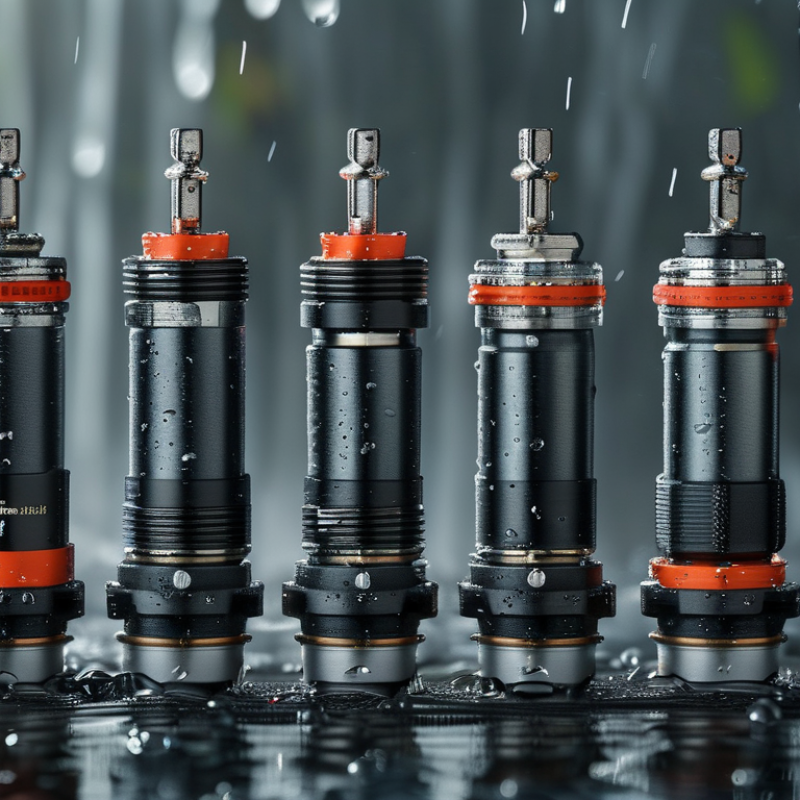
What Waterproof Connectors Are and Why Global Buyers Need Them
Waterproof connectors are sealed electrical interfaces designed to keep water, dust, and moisture away from contacts. They usually combine a housing, gasket, locking mechanism, and corrosion-resistant terminals. The seal works only when the plug is fully mated and correctly assembled. That detail matters. A connector may resist rain yet fail under pressure washing, salt spray, or repeated movement. Buyers should review the actual ingress rating, operating temperature, voltage, current, and cable diameter. “Waterproof” alone is not a sufficient technical specification.
Global buyers need these connectors because equipment often crosses climates, supply chains, and installation conditions. A control cabinet in a humid port faces different risks from a machine in a dry warehouse. Outdoor lighting, agricultural sensors, vehicles, pumps, and renewable-energy systems may encounter mud, condensation, ultraviolet exposure, or freezing temperatures. A suitable connector reduces short circuits, signal loss, corrosion, and unplanned maintenance. It also supports safer, more consistent assembly across different worksites.
Procurement teams should confirm whether the rating applies when connected, capped, or mounted in its final position. They should also check replacement availability and local installation guidance. A tight seal can still fail if the cable is bent sharply or the gasket is scratched. This is easy to overlook. The word “universal” deserves skepticism, because connector performance depends on the complete assembly, not one component. Test reports, material data, mating-cycle information, and traceable quality records provide stronger evidence. Small details matter.
Top Waterproof Connectors for Global Buyers
What Waterproof Connectors Are and Why Global Buyers Need Them
How to read the chart: The second digit in an IP water-protection code indicates resistance to water ingress under IEC 60529 test conditions. IPX5 protects against water jets, IPX6 against powerful water jets, IPX7 against temporary immersion up to 1 metre for 30 minutes, IPX8 against continuous immersion under manufacturer-specified conditions, and IPX9 against high-pressure, high-temperature water jets. Global buyers should match the connector rating to the equipment’s actual exposure, installation method, and applicable safety requirements.
Top Waterproof Connector Types for Different Applications
Top Waterproof Connectors for Global Buyers
Waterproof connector types should match the application, not only the weather rating. Circular connectors suit outdoor lighting, pumps, and compact control cabinets. Their threaded or bayonet locks resist vibration and accidental movement. For factory sensors, M12-style connectors provide reliable data and power connections in tight spaces. However, sealing quality still depends on correct cable size and installation pressure.
Automotive sealed connectors work well in vehicles, agricultural equipment, and mobile machinery. They tolerate vibration, mud, oil exposure, and repeated temperature changes. Marine applications often need corrosion-resistant contacts and stronger strain relief. Push-pull connectors save time during maintenance, but they may not suit areas with heavy mechanical impact. An IP67 rating protects against temporary immersion, while IP68 conditions vary by test depth and duration. Always check the complete specification.
Tips: Inspect gaskets before assembly. Keep sealing surfaces clean. Avoid sharp cable bends near the connector. A small installation error can defeat a strong enclosure rating. Field inspections often reveal loose backshells as the real failure point. This detail is easy to miss. Materials also deserve careful review, especially near saltwater or chemical spray. No connector choice is perfect; cost, service access, and long-term exposure must be balanced. Testing a sample under real temperature, vibration, and moisture conditions can expose weaknesses before full deployment.
How to Compare Suppliers, Certifications, and Product Quality
Top Waterproof Connectors for Global Buyers
How to Compare Suppliers, Certifications, and Product Quality
Buying waterproof connectors globally requires more than comparing unit prices. I have seen attractive quotations hide unclear materials, changing specifications, and weak inspection records. Ask suppliers for drawings, tolerance data, production samples, and batch-traceability details. Small details matter. Check sealing rings, contact plating, cable size range, and locking force.
Certifications should match the connector’s intended application and destination market. Review the certificate number, issuing laboratory, test standard, and valid product scope. An IP rating can show resistance to water and dust, but it does not prove long-term performance. Request test reports for temperature cycling, salt spray, vibration, and mating durability. Confirm that the tested model matches the supplied model.
Supplier reliability appears in daily processes. A capable factory should explain incoming-material checks, crimp-height control, final inspection, and complaint handling. Ask for recent inspection photos or an independent pre-shipment inspection. Samples should be tested with your actual cables, tools, and enclosure design. I once focused too heavily on laboratory documents and missed a connector that was difficult to assemble in cold conditions. That mistake was expensive. Leave room for doubt, and verify performance under real installation conditions.