| Motorized Ball Valve |
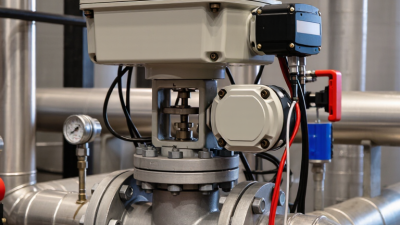
An electric actuator rotates a ball with a through-port inside the valve body. |
Quarter-turn, generally 90°. |
Excellent for on/off isolation when correctly selected and installed. |
Standard full-port versions are mainly intended for isolation. Characterized-port versions can provide better modulating control. |
★★★★★
Very high in the fully open position, especially with a full-port design. |
Usually fast because the valve requires only a quarter-turn; actual time depends on actuator gearing and torque. |
Water treatment, HVAC, compressed air, process liquids, fuel systems, and general industrial isolation. |
Compact design, low pressure loss, good shutoff, and relatively simple automation. |
Standard ball valves may provide poor control at partially open positions. Seat materials can limit temperature and chemical compatibility. |
| Motorized Butterfly Valve |
An electric actuator rotates a circular disc mounted on a shaft through the pipe. |
Quarter-turn, generally 90°. |
Good to excellent, depending on seat design, disc condition, and service requirements. |
Suitable for basic to moderate throttling; precise control generally requires a suitable disc profile and modulating actuator. |
★★★★☆
High flow capacity with comparatively low pressure loss. |
Fast quarter-turn operation; large sizes usually require less space and less actuator torque than comparable full-bore linear valves. |
Cooling water, water distribution, air handling, ventilation, fire-protection systems, and large-diameter pipelines. |
Lightweight, compact, economical for large pipe sizes, and easy to automate. |
The disc remains in the flow path and causes more obstruction than a full-port ball or gate valve. Seat wear can affect shutoff performance. |
| Motorized Globe Valve |
An electric linear actuator moves a plug toward or away from a seat inside a shaped body. |
Linear, with multiple turns or a linear actuator stroke. |
Good isolation when properly selected, although it is primarily designed for control service. |
Excellent for regulating flow, pressure, temperature, and process variables over a broad operating range. |
★★★☆☆
Moderate because the internal flow path creates more resistance. |
Generally slower than quarter-turn valves because of the longer linear travel. |
Steam, hot water, process control loops, heating systems, and applications requiring frequent adjustment. |
Strong throttling performance, stable control characteristics, and good resistance to some flow-induced problems when correctly sized. |
Higher pressure drop, larger size and weight, and potentially greater actuator force requirements than quarter-turn valves. |
| Motorized Gate Valve |
An electric actuator raises or lowers a gate or wedge between two seats. |
Linear, normally requiring several turns or a rising-stem stroke. |
Very good for full open or full closed isolation. |
Generally unsuitable for routine throttling because partial opening can cause vibration, erosion, and seat damage. |
★★★★★
Very high when fully open because the passage can be nearly unobstructed. |
Usually slower than quarter-turn valves because the gate travels over a longer distance. |
Water transmission, wastewater, pipelines, power plants, and applications requiring infrequent isolation. |
Low pressure loss when fully open and suitable for large-diameter isolation duties. |
Not recommended for control service. It requires more installation space and should not normally be operated frequently. |
| Motorized Diaphragm Valve |
An electric actuator moves a compressor that flexes a diaphragm against a weir or seat. |
Linear or short-stroke movement, depending on design. |
Good shutoff and strong separation between the actuator mechanism and the process fluid. |
Good for clean, corrosive, viscous, or solids-containing fluids when the diaphragm material is compatible. |
★★★☆☆
Moderate; internal geometry can create noticeable resistance. |
Typically slower than quarter-turn valves; speed depends on actuator and diaphragm design. |
Water treatment, chemical processing, pharmaceutical production, food processing, and sanitary systems. |
Few crevices, good contamination control, and the diaphragm isolates operating parts from the fluid. |
Diaphragm life is limited by temperature, pressure, chemical exposure, and cycling. Pressure and size ranges may be more restricted than for metal-seated valves. |
| Motorized Pinch Valve |
An electric actuator compresses a flexible sleeve to stop or regulate flow. |
Linear compression or mechanical sleeve movement. |
Good when the sleeve is correctly selected and fully compressed. |
Suitable for abrasive slurries, powders, and fluids containing suspended solids; control accuracy depends strongly on sleeve design. |
★★★☆☆
Moderate to high, depending on sleeve construction and opening. |
Usually moderate to slow because the sleeve must deform sufficiently to control the flow. |
Mining slurries, wastewater, ceramics, bulk solids, abrasive chemicals, and particulate-laden fluids. |
Excellent resistance to abrasion, no exposed internal metal parts, and low risk of clogging in many solids-handling services. |
The sleeve is a wear component. Temperature, pressure, vacuum, and chemical compatibility depend heavily on the elastomer or polymer material. |
| Motorized Check Valve |
An electric actuator actively positions a check-valve element; unlike a conventional check valve, it can be controlled or forced closed. |
Usually short linear or quarter-turn movement, depending on construction. |
Designed primarily to prevent reverse flow; final shutoff depends on the sealing design. |
Not normally selected for continuous throttling or precision flow regulation. |
★★★★☆
Often high when fully open, but internal geometry varies. |
Actuated operation can be controlled, but passive check-valve action is usually faster during reverse-flow conditions. |
Pump discharge lines, backflow prevention, process skids, and systems requiring controlled isolation during shutdown. |
Combines reverse-flow protection with automated positioning or emergency closure. |
More complex and costly than a passive check valve. It requires appropriate control logic and may need fail-safe provisions. |